
What Causes Someone to Develop Trust Issues?
Gusti Ayu Tita P
26 September 2026
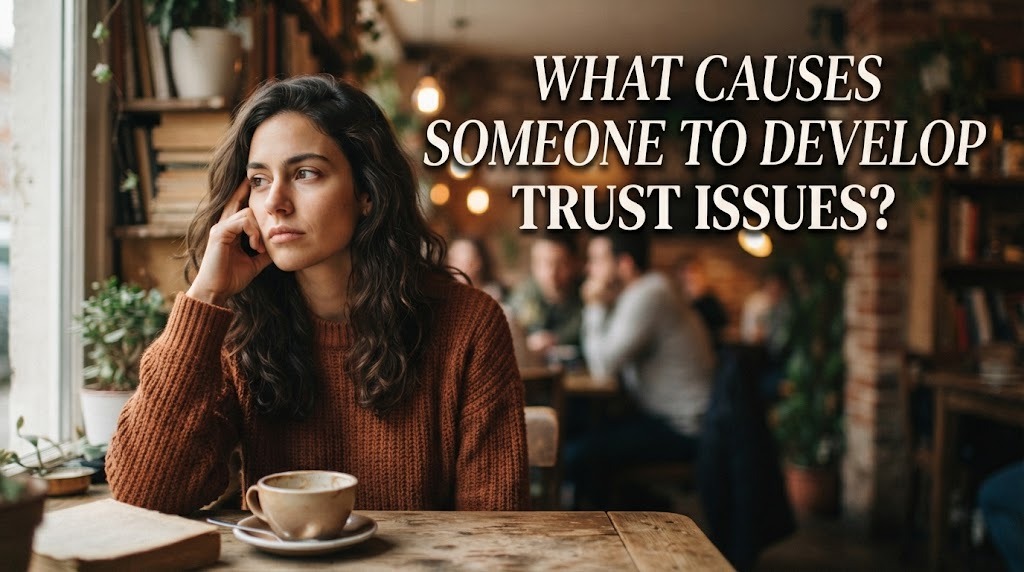
Trust is an important part of healthy relationships, friendships, and social interactions. However, some people find it difficult to trust others because of painful experiences, betrayal, insecurity, or repeated disappointment. These experiences can influence how someone interprets the actions and intentions of other people.
Trust issues do not always appear without a reason. They can develop gradually after someone experiences situations that make them feel unsafe, rejected, or deceived. Understanding the causes of trust issues can help a person recognize unhealthy patterns and begin developing healthier ways to build relationships.
PAST BETRAYAL AND BROKEN PROMISES
One common cause of trust issues is experiencing betrayal in the past. Someone who has been lied to, cheated on, manipulated, or seriously disappointed may become more cautious in future relationships. The experience can make them worry that similar situations will happen again.
Broken promises can have a similar effect, especially when they happen repeatedly. When someone's words and actions do not match over time, it can become difficult to believe what they say. As a result, past betrayal may influence how a person responds to trust and commitment in the present.
NEGATIVE RELATIONSHIP EXPERIENCES
Unhealthy relationships can also contribute to the development of trust problems. Experiences involving dishonesty, emotional manipulation, constant criticism, or disrespect may make someone feel that relationships are unsafe. These experiences can change the way a person views future partners or friends.
For example, someone who was frequently lied to may become suspicious when another person does not respond quickly to a message. The current situation may be harmless, but the person's past relationship experiences can influence their interpretation. This does not mean their feelings are meaningless, but the reaction may be connected to earlier experiences.
CHILDHOOD EXPERIENCES
Early experiences can influence how people develop relationships and understand trust. Growing up in an environment where communication was inconsistent, promises were often broken, or emotional support was limited may affect a person's expectations of others. These patterns can sometimes continue into adulthood.
However, childhood experiences do not automatically determine someone's ability to trust. People can develop healthier relationship patterns as they gain new experiences and learn better communication skills. Understanding childhood experiences and trust can simply help explain why certain situations may feel especially difficult for someone.
INSECURITY AND LOW SELF CONFIDENCE
Insecurity and low self confidence can also contribute to trust issues. Someone who frequently doubts their own value may worry that other people will eventually leave, reject, or replace them. These fears can create a strong need for reassurance in relationships.
In some situations, insecurity may cause a person to interpret neutral behavior negatively. A delayed response or a change in plans might be seen as evidence that someone is losing interest. Learning to develop self confidence can help reduce excessive fear and make it easier to evaluate situations more realistically.
FEAR OF BEING HURT AGAIN
People who have experienced emotional pain may develop a fear of being hurt again. Avoiding trust can feel like a form of protection because it creates emotional distance from situations that might lead to disappointment. Unfortunately, this protection can also make it harder to develop close and meaningful relationships.
Someone may avoid sharing personal information, become emotionally distant, or constantly look for signs that another person cannot be trusted. These behaviors can provide temporary feelings of safety but may prevent genuine connection. Over time, learning that not every relationship will repeat the past can support healthy trust development.
OVERTHINKING AND NEGATIVE ASSUMPTIONS
Another cause of trust issues can be a habit of overthinking and making negative assumptions. When information is incomplete, someone may automatically imagine the worst possible explanation. This can increase suspicion even when there is little evidence that something is wrong.
For example, a person might assume that a friend is ignoring them simply because the friend has not replied to a message. Instead of immediately accepting the negative interpretation, it can be helpful to consider other possible explanations. Developing emotional awareness and balanced thinking can make it easier to respond based on facts rather than fear.
REPEATED DISAPPOINTMENT
Trust can become difficult when someone repeatedly experiences disappointment from different people. This may happen in friendships, romantic relationships, family relationships, or professional environments. After several negative experiences, a person may begin to believe that people cannot be trusted in general.
Repeated disappointment can create a defensive mindset in which someone expects problems before they happen. However, not every person or relationship will produce the same outcome. Recognizing differences between past and present experiences can help someone gradually develop healthier expectations and stronger relationships.
CONCLUSION
Trust issues can develop for many reasons, including past betrayal, unhealthy relationships, childhood experiences, insecurity, fear of being hurt, overthinking, and repeated disappointment. These experiences may influence how someone interprets other people's words and actions, particularly in emotionally important relationships.
Having trust issues does not mean a person cannot build healthy relationships. By understanding the root causes of trust issues, improving self confidence, communicating openly, and learning to separate past experiences from present situations, someone can gradually develop a healthier approach to trust.
About the Author
Gusti Ayu Tita P
Author — STEKOM University
An active author focused on academic issues, educational technology, and human resource development in the campus environment.