What Documents Do You Need for an International Trip?
Gusti Ayu Tita P
17 September 2026
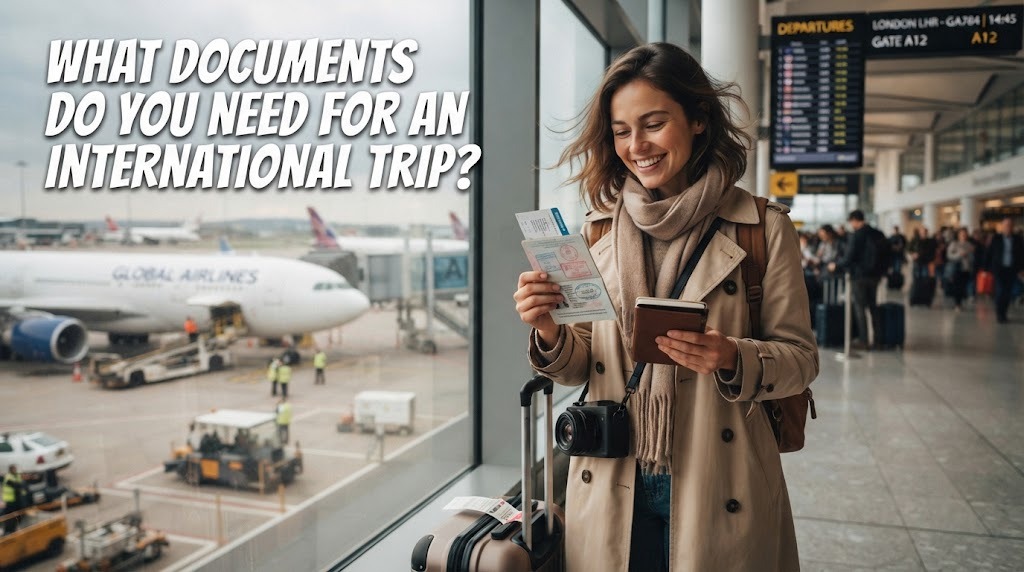
Traveling abroad can be an exciting experience, but proper preparation is important before leaving. One of the most important preparations is making sure all required travel documents are ready. Missing a document can cause problems at the airport, immigration checkpoint, or destination country. Each country may also have different entry requirements for foreign travelers. Therefore, checking the requirements before departure can make an international trip safer and more comfortable.
PASSPORT IS THE MOST IMPORTANT TRAVEL DOCUMENT
A passport is the primary document needed for most international trips. It proves your identity and nationality when you travel to another country. Before departure, check that your passport is valid for the required period because some countries require several months of remaining validity. You should also make sure there are enough blank pages if your destination requires immigration stamps or visas.
Keep your passport in a safe and easily accessible place during your journey. It is also useful to keep a digital or photocopy of the identification page separately from the original document. However, a copy cannot replace the original passport when passing through immigration. If your passport is lost or stolen, contact the nearest embassy or consulate for assistance.
CHECK WHETHER YOU NEED A VISA
A visa may be required depending on your nationality, destination, purpose of travel, and length of stay. Some countries allow visa free entry for certain nationalities, while others offer visas on arrival or electronic visas. A tourist visa may also have specific conditions, such as a maximum period of stay or restrictions on employment. Travelers should check the latest visa rules before booking or starting their trip.
Visa requirements can change, so information from unofficial websites may not always be reliable. Check the official immigration authority or embassy of your destination country for the most current requirements. If a visa application requires supporting documents, prepare them carefully and submit the application within the required time. Make sure the information on your visa matches the details on your passport.
PREPARE YOUR FLIGHT AND TRAVEL BOOKINGS
A flight ticket or booking confirmation is another important document for an international trip. Immigration officers or airline staff may ask for proof of your departure from the destination country. Depending on the destination, travelers may also need to show accommodation details or other travel arrangements. Keeping these documents available can make the check in and immigration process easier.
It is better to save your flight confirmation both digitally and offline. You can keep a copy on your phone and another copy in cloud storage or email. If your itinerary includes several flights, keep all relevant booking confirmations together. This helps you quickly find the information if there are questions about your travel plans.
BRING PROOF OF ACCOMMODATION
Proof of accommodation may be requested when entering another country. This can include a hotel reservation, hostel booking, or an invitation from someone who will provide accommodation. The document should clearly show the name and address of the accommodation when applicable. Having this information ready can help demonstrate where you plan to stay during your visit.
Make sure your accommodation details are accurate and match your travel dates. If you are staying in several places, keep the booking confirmations for each location. Travelers staying with family or friends may need additional information depending on the destination country's rules. Always check the official entry requirements because accommodation documentation varies between countries.
CONSIDER TRAVEL INSURANCE DOCUMENTS
Travel insurance is not mandatory for every international trip, but some destinations may require proof of insurance. Insurance can provide protection for certain unexpected situations, such as medical emergencies, trip cancellations, lost baggage, or travel delays. The coverage depends on the policy, so travelers should understand what is included before purchasing it. Some countries may also require specific minimum medical coverage.
Keep your insurance certificate and emergency contact information accessible during the trip. It is useful to save both a digital copy and an offline copy. Read the policy carefully to understand exclusions and claim procedures. Having the right insurance documents can make it easier to request assistance when an unexpected problem occurs.
CHECK HEALTH AND ENTRY REQUIREMENTS
Some destinations may require health related documents before or during entry. Depending on the country and current regulations, travelers may need vaccination certificates, health declarations, or other medical documentation. These requirements can also depend on where the traveler has recently been. Because health entry rules can change, checking official government information before departure is important.
Travelers who regularly take prescription medication should also prepare the necessary medication documents. A prescription or doctor's letter may be useful, especially when carrying certain medicines across international borders. Keep medication in its original packaging when possible. Check the destination country's rules if you are carrying medicines that may be controlled or restricted.
KEEP YOUR DOCUMENTS SAFE AND ORGANIZED
Having the right documents is only part of good travel preparation. You also need to organize them so they are easy to access when required. Keep your passport, visa, tickets, accommodation details, insurance documents, and other important papers in a secure travel folder. Avoid putting all copies and original documents in the same place in case your bag is lost.
Digital backups can provide additional protection during an international trip. Store copies in a secure cloud account and keep important information available offline in case you cannot access the internet. However, avoid sharing sensitive documents through unsecured websites or with unknown people. Good document management can reduce stress and help you respond more quickly if something goes wrong.
CHECK OFFICIAL REQUIREMENTS BEFORE DEPARTURE
International travel requirements are different for every country and can change over time. Before leaving, check the official website of the destination country's immigration authority, embassy, or other relevant government agency. You should also check airline requirements because airlines may have document checks before boarding. This step is especially important when traveling through multiple countries.
Create a simple checklist based on your destination and purpose of travel. Check your passport validity, visa status, flight details, accommodation, insurance, and any health requirements. Completing the checklist several days before departure gives you time to solve potential problems. Avoid relying only on information from social media or old travel posts because entry regulations may have changed.
CONCLUSION
Preparing the right documents is an essential part of an international trip. A valid passport is usually the main requirement, while visas, flight bookings, accommodation proof, insurance, and health documents may also be necessary depending on the destination. Travelers should always check the latest official requirements before departure because entry rules differ between countries. Keeping both physical and secure digital copies can also provide extra protection during the journey. With well organized documents and careful preparation, travelers can reduce unnecessary problems and enjoy their international trip with greater confidence.
About the Author
Gusti Ayu Tita P
Author — STEKOM University
An active author focused on academic issues, educational technology, and human resource development in the campus environment.