
What Documents Do You Need to Apply for a Passport?
Gusti Ayu Tita P
24 Agustus 2026
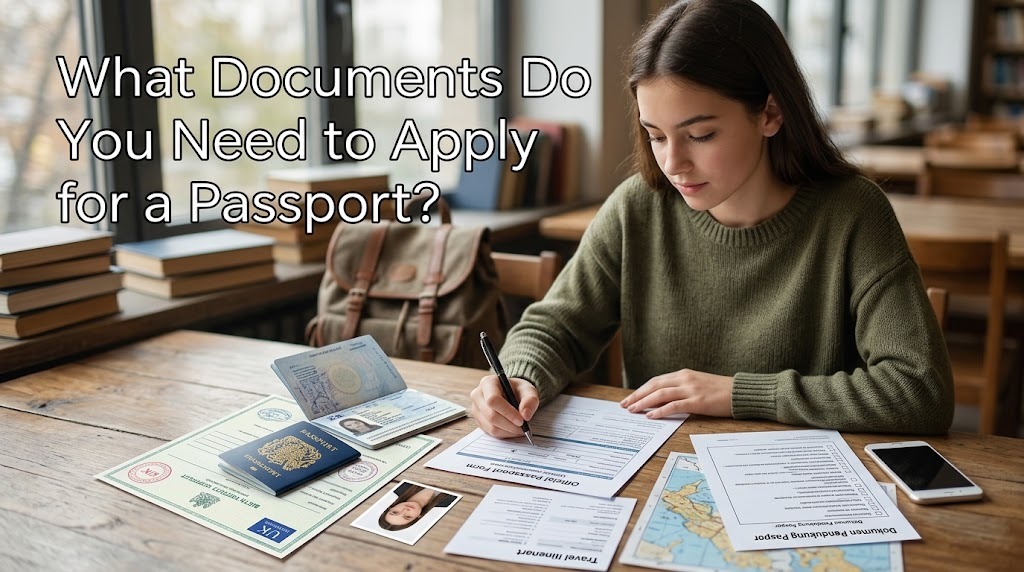
Applying for a passport is an important step for anyone planning to travel internationally. A passport serves as an official identity and travel document that allows a person to cross international borders. Before submitting an application, applicants should prepare the required documents carefully because incomplete information can cause delays. Passport requirements may differ depending on the country issuing the passport, the applicant’s age, and whether the application is for a new passport or a renewal. Understanding the documents needed in advance can make the application process more organized and efficient.
BASIC DOCUMENTS REQUIRED FOR A PASSPORT APPLICATION
The documents required for a passport application generally include proof of identity, proof of citizenship, and supporting personal information. Common examples include a national identity card, birth certificate, citizenship certificate, or other official documents recognized by the issuing government. Applicants may also need to provide recent photographs or have their photograph taken during the application process, depending on the country’s procedures. Some authorities require an application form containing personal details such as full name, date of birth, address, and nationality. It is important to provide information that matches the applicant’s official records.
For applicants in Indonesia, requirements can depend on the type of passport application and the applicant’s circumstances. Indonesian applicants generally need valid personal identity documents and supporting civil registration documents, while additional documents may be requested for specific situations. Applicants should check the latest requirements from the official immigration authority before visiting an immigration office or using an online application service. Preparing both the original documents and required copies can also help prevent unnecessary problems. Never submit inaccurate or altered documents, because this can lead to rejection or further legal issues.
PROOF OF IDENTITY AND CITIZENSHIP
Proof of identity is one of the most important parts of a passport application because authorities need to confirm who the applicant is. A government issued identity card is commonly used for this purpose, although the exact document depends on the applicant’s country. A birth certificate may also be required to verify the applicant’s name, date of birth, and relationship to parents. For some applicants, a citizenship certificate or another official nationality document may be necessary. These documents help authorities establish that the applicant is legally entitled to receive the passport.
The names and personal details across supporting documents should normally be consistent. Differences in spelling, dates of birth, or other important information can create additional verification requirements. If an applicant has legally changed their name, documents proving the change may be requested. Children may also have additional requirements involving parental identification, consent, or proof of relationship. Checking all personal information before submission is therefore an important part of preparing a successful application.
ADDITIONAL DOCUMENTS FOR SPECIAL CIRCUMSTANCES
Not every applicant has the same documentation requirements. Minors may need additional documents such as parental identification, proof of relationship, or consent from a parent or legal guardian. Applicants replacing a lost or stolen passport may need to provide a police report or a written explanation, depending on the rules of the issuing authority. Someone who has changed their name after marriage, divorce, or another legal process may need documentation supporting the change. Applicants who have previously held another nationality may also face additional requirements.
Renewal applications can likewise have different requirements from first time applications. The previous passport may need to be submitted so authorities can verify the applicant’s travel document history. If the previous passport is damaged, lost, or unavailable, the authority may require additional verification. Special circumstances should be checked before the appointment rather than discovered during the application process. This is especially important when an applicant has unusual citizenship, identity, or previous passport circumstances.
HOW TO PREPARE YOUR DOCUMENTS CORRECTLY
Good preparation can significantly reduce the risk of delays during a passport application. Start by checking the official passport requirements provided by the government or immigration authority responsible for issuing passports. Organize the documents according to the order requested and make sure names, dates, and other personal information are accurate. If copies are required, prepare them in the required format while keeping the original documents available for verification. Applicants should also confirm whether an appointment, application fee, photograph, biometric information, or additional form is required.
It is also useful to check whether any document needs to be translated, legalized, notarized, or accompanied by another supporting document. Requirements can change over time, so information from old applications or unofficial websites may no longer be accurate. Use official government information as the main reference before submitting an application. Careful preparation helps applicants avoid repeated visits and makes the process easier to manage.
CONCLUSION
Preparing the right documents is an essential part of applying for a passport. Most applicants need documents that establish their identity and citizenship, while additional documents may be required for children, renewals, lost passports, name changes, or other special circumstances. Requirements are not identical in every country, so applicants should always confirm the latest rules with the relevant passport or immigration authority. Making sure that all information is accurate and consistent can help prevent unnecessary delays. With proper preparation, applicants can approach the passport application process with greater confidence and avoid common documentation problems.
About the Author
Gusti Ayu Tita P
Author — STEKOM University
An active author focused on academic issues, educational technology, and human resource development in the campus environment.















