
What Essential Items Should You Bring For A Sea Trip?
Gusti Ayu Tita P
23 September 2026
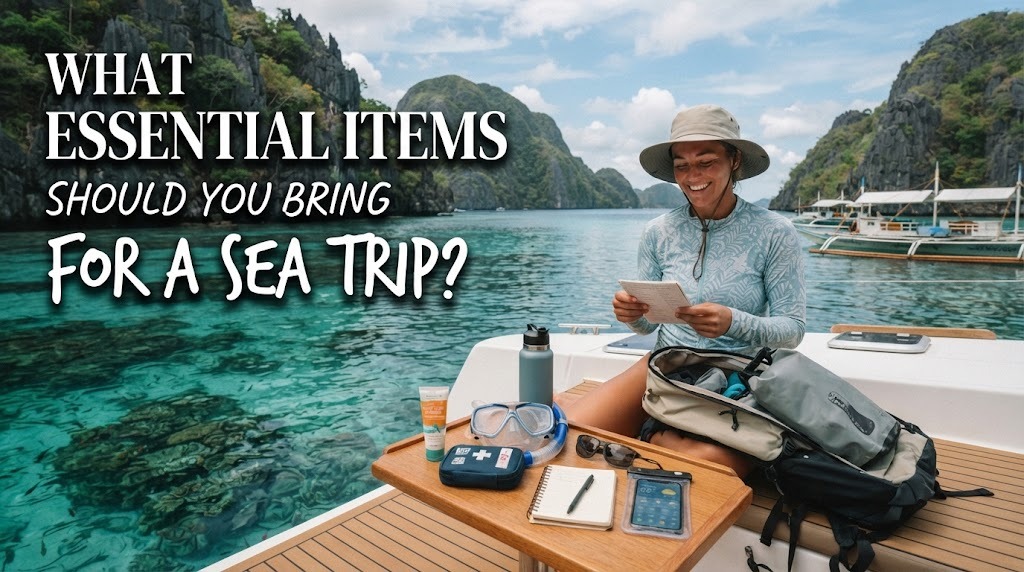
A sea trip can be a fun way to relax, explore coastal destinations, and enjoy beautiful marine scenery. However, bringing the right items is important to make the journey safe, comfortable, and well prepared. Travelers may need different equipment depending on the destination, activities, weather, and length of the trip. Preparing essential items in advance can also help prevent problems during the journey.
PACK SUITABLE CLOTHING
Choosing suitable clothing is one of the first things to consider before a sea trip. Bring lightweight and comfortable clothes that allow you to move easily during outdoor activities. Swimwear is useful if you plan to swim or participate in water activities. A light jacket or waterproof outer layer can also be helpful when the weather becomes windy or rainy.
It is a good idea to bring extra clothes because your clothes may become wet from seawater, rain, or water activities. A hat and sunglasses can provide additional protection from strong sunlight. Comfortable footwear with good grip is useful because boat decks and coastal surfaces can become slippery. Packing clothes according to the expected weather can make the trip more enjoyable.
BRING SUN PROTECTION
Sun protection is especially important during outdoor activities near the sea. Travelers should bring sunscreen, sunglasses, and a hat to reduce exposure to ultraviolet radiation. Sunscreen should be applied according to its instructions and reapplied as needed, especially after swimming or excessive sweating. Protective clothing can provide additional coverage during long periods outdoors.
Travelers should also avoid spending too much time under direct sunlight, particularly around the strongest part of the day. Finding shade and drinking enough water can help maintain comfort. Sunglasses can protect the eyes from bright sunlight and glare from the water. Proper sun protection allows travelers to enjoy outdoor activities more comfortably.
BRING ENOUGH DRINKING WATER
Staying hydrated is important during a sea trip, especially when spending hours outdoors. Bring a reusable water bottle and fill it with enough safe drinking water for the journey. Hot weather, physical activity, and prolonged sun exposure can increase the need for fluids. Drinking regularly can help prevent dehydration.
A reusable bottle can also help reduce the use of disposable plastic bottles. If the trip is long, check whether additional drinking water will be available on the boat or at the destination. Do not assume that clean drinking water will always be easy to find in remote coastal areas. Proper hydration supports both comfort and physical well being during the trip.
PREPARE A WATERPROOF BAG
Water can easily damage important belongings during a sea trip. A waterproof bag or dry bag can protect phones, wallets, identification documents, cameras, and other sensitive items from splashes. Even when the weather is sunny, unexpected waves or rain can make belongings wet. Keeping important items protected is therefore a practical precaution.
Smaller waterproof pouches can also be useful for items that need to remain dry and easy to access. Avoid placing important documents loosely inside a regular backpack. Before departure, check that waterproof containers are properly closed. This simple preparation can help protect your valuable belongings throughout the journey.
BRING BASIC HEALTH ITEMS
A basic personal health kit can be useful during a sea trip. Travelers may bring personal medication, motion sickness medicine, plasters, antiseptic supplies, and other necessary items according to their individual needs. Anyone who regularly uses medication should bring enough for the planned journey and keep it accessible. It is also helpful to know where medical assistance is available at the destination.
Travelers who are prone to motion sickness may want to prepare appropriate medicine in advance. Following the medicine instructions and considering advice from a healthcare professional or pharmacist can help ensure proper use. Avoid bringing unnecessary medication or using medicine without understanding its directions. A prepared health kit can provide additional peace of mind during travel.
BRING SWIMMING AND SNORKELING GEAR
If your sea trip includes water activities, consider bringing appropriate equipment. Swimwear, goggles, snorkeling masks, and fins can be useful for swimming and snorkeling when permitted by the destination or tour operator. However, some tour operators provide equipment, so check what is included before packing. Bringing only the necessary gear can save space and reduce luggage.
Equipment should be checked before entering the water. Make sure masks fit properly and that fins or other equipment are comfortable to use. For activities that require specialized equipment, follow instructions from qualified guides and use properly maintained gear. Appropriate equipment can improve both comfort and safety in the water.
KEEP IMPORTANT DOCUMENTS AND MONEY SAFE
Travelers should keep essential documents secure and easy to access. Depending on the trip, these may include identification, tickets, reservations, travel permits, and emergency contact information. Digital copies can also be stored securely as a backup when appropriate. Important documents should be protected from water and unnecessary damage.
It is also wise to bring only the amount of cash and valuables that you reasonably need. Store money and cards in a secure waterproof pouch rather than an easily accessible pocket. Before leaving the boat or destination, check that all important belongings are still with you. Good organization can prevent unnecessary problems during the sea journey.
PREPARE SAFETY EQUIPMENT
Safety equipment is essential for any sea trip, although some items are normally provided by the boat operator. Life jackets should be available for passengers and used according to the operator's instructions and applicable safety requirements. Travelers should listen carefully to the safety briefing before departure. Knowing where emergency equipment and exits are located can be valuable in an emergency.
Additional safety items may include a whistle, flashlight, or small first aid supplies depending on the type of trip. Travelers should not rely solely on personal equipment because boats should have appropriate safety equipment for their passengers. Always follow instructions from the crew and local authorities. Good preparation helps make sea travel safer for everyone.
CONCLUSION
The essential items for a sea trip depend on the destination, activities, weather, and travel duration. In general, travelers should prepare comfortable clothing, sun protection, drinking water, waterproof storage, basic health items, appropriate water equipment, important documents, and safety equipment. Checking what the boat operator already provides can prevent unnecessary packing. With careful preparation, you can enjoy your sea trip with greater comfort, confidence, and safety.
About the Author
Gusti Ayu Tita P
Author — STEKOM University
An active author focused on academic issues, educational technology, and human resource development in the campus environment.



