
What Factors Affect the Cost of a Trip Budget?
Gusti Ayu Tita P
17 September 2026
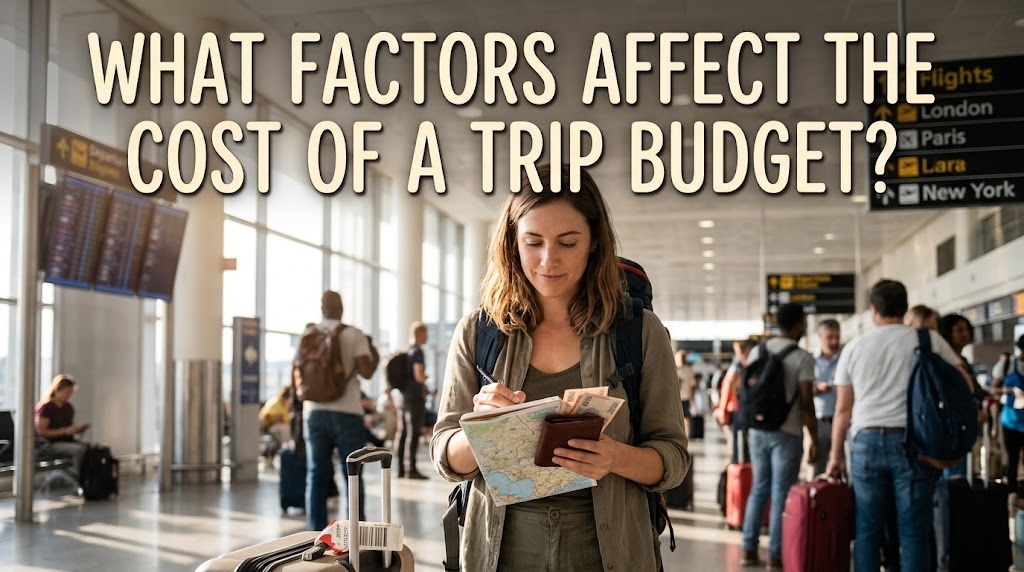
Planning a trip requires more than choosing a destination and booking transportation. A trip budget helps travelers understand how much money they may need for transportation, accommodation, food, activities, and other expenses. The total cost can vary significantly depending on several factors, including the destination, travel duration, travel style, and number of people traveling.
Understanding these factors makes it easier to prepare a realistic budget and avoid unexpected expenses. A well-planned budget also allows travelers to enjoy their trip while keeping their spending under control. By identifying the main costs before departure, travelers can make better financial decisions and adjust their plans when necessary.
DESTINATION AND TRAVEL DISTANCE
The travel destination is one of the biggest factors affecting the cost of a trip. Some destinations have higher prices for accommodation, food, transportation, and tourist attractions than others. International destinations may also require additional expenses such as visas, travel insurance, airport transfers, and currency exchange fees. Meanwhile, traveling to a nearby destination can reduce transportation costs and make the overall trip more affordable.
Travel distance also affects the amount of money needed for transportation. Longer journeys generally require higher spending on flights, trains, buses, fuel, or other forms of transportation. Travelers should compare different transportation options before deciding on a route. Choosing a destination that matches the available budget can help prevent unnecessary financial pressure.
TRANSPORTATION AND ACCOMMODATION COSTS
Transportation costs can take up a significant portion of a trip budget. Airfare, train tickets, bus fares, fuel, parking, tolls, airport transfers, and local transportation can all contribute to the final amount. Prices may change depending on the travel season, booking time, route, and type of transportation. Booking tickets earlier and comparing available options can sometimes help travelers find more suitable prices.
Accommodation costs are another important part of the budget. Hotels, hostels, guesthouses, vacation rentals, and other lodging options have different prices and facilities. The location of the accommodation can also affect its cost, with properties in popular tourist areas often being more expensive. Travelers should consider both the nightly rate and additional charges such as taxes, service fees, breakfast, or parking.
FOOD AND DAILY EXPENSES
Food is an essential part of every trip budget, but the amount spent can vary greatly depending on eating habits and the destination. Eating at local restaurants or street food vendors may cost less than dining at high-end restaurants. Travelers can estimate their daily food expenses by considering breakfast, lunch, dinner, drinks, snacks, and occasional meals at more expensive restaurants. Creating a daily food limit can help prevent spending from increasing unexpectedly.
Daily expenses may also include local transportation, entrance fees, toiletries, mobile data, laundry, and small purchases. These costs may seem insignificant individually, but they can become substantial when accumulated over several days. Travelers should therefore include a small daily allowance for miscellaneous expenses. This approach creates a more realistic budget and reduces the risk of running out of money during the trip.
TRAVEL SEASON AND TRIP DURATION
The travel season can have a major influence on the total cost of a trip. During peak seasons, such as school holidays, major festivals, and popular vacation periods, transportation and accommodation prices may increase because of higher demand. Traveling during the off-season may provide more affordable options, although weather conditions and attraction schedules should also be considered. Checking seasonal prices before booking can help travelers choose an appropriate travel period.
The length of the trip also directly affects expenses. A longer vacation usually requires more money for accommodation, food, transportation, and activities. For example, extending a trip by several days can significantly increase lodging and daily spending. Travelers with limited funds can consider shortening the trip or creating a daily spending limit to keep the total budget manageable.
ACTIVITIES AND PERSONAL TRAVEL STYLE
The activities included in a travel itinerary can strongly influence the overall budget. Tourist attractions, guided tours, entertainment, shopping, and adventure activities may require additional fees. Some destinations offer many free attractions, such as public parks, beaches, walking areas, or cultural sites, while others have expensive admission fees. Travelers should research activity prices before creating the final budget.
Travel style is another important factor. A traveler who prefers luxury hotels, private transportation, and premium restaurants will generally spend more than someone who chooses budget accommodation, public transportation, and affordable local food. Neither approach is automatically better because spending preferences depend on individual priorities. The key is to choose a travel style that fits the available funds and planned experiences.
EMERGENCY COSTS AND UNEXPECTED EXPENSES
Unexpected expenses can occur even when a trip has been carefully planned. Delayed transportation, lost belongings, medical needs, sudden route changes, additional accommodation, or unexpected price increases can affect the original budget. For this reason, travelers should prepare an emergency fund instead of allocating every available amount to planned expenses. A financial reserve provides flexibility when unexpected situations occur.
Travelers should also review their budget before departure and identify expenses that can be reduced if necessary. For example, shopping or optional entertainment can be limited when unexpected costs appear. Keeping track of expenses during the trip can also show whether spending is staying within the planned amount. With regular monitoring and a reasonable emergency reserve, travelers can enjoy their vacation while maintaining better financial control.
CONCLUSION
A trip budget is influenced by many factors, including destination, transportation, accommodation, food, travel season, trip duration, activities, and personal travel style. Each factor can increase or decrease the total amount of money needed for a vacation. Understanding these factors allows travelers to create a budget that is more realistic and suitable for their financial situation.
Careful planning does not mean avoiding enjoyable experiences. Instead, it helps travelers decide where their money should be spent and prepare for unexpected costs. By comparing prices, setting daily limits, monitoring expenses, and preparing an emergency fund, travelers can make their trips more organized and financially manageable.
About the Author
Gusti Ayu Tita P
Author — STEKOM University
An active author focused on academic issues, educational technology, and human resource development in the campus environment.















