
What Happens If Someone Receives an Incompatible Blood Type?
Gusti Ayu Tita P
14 September 2026
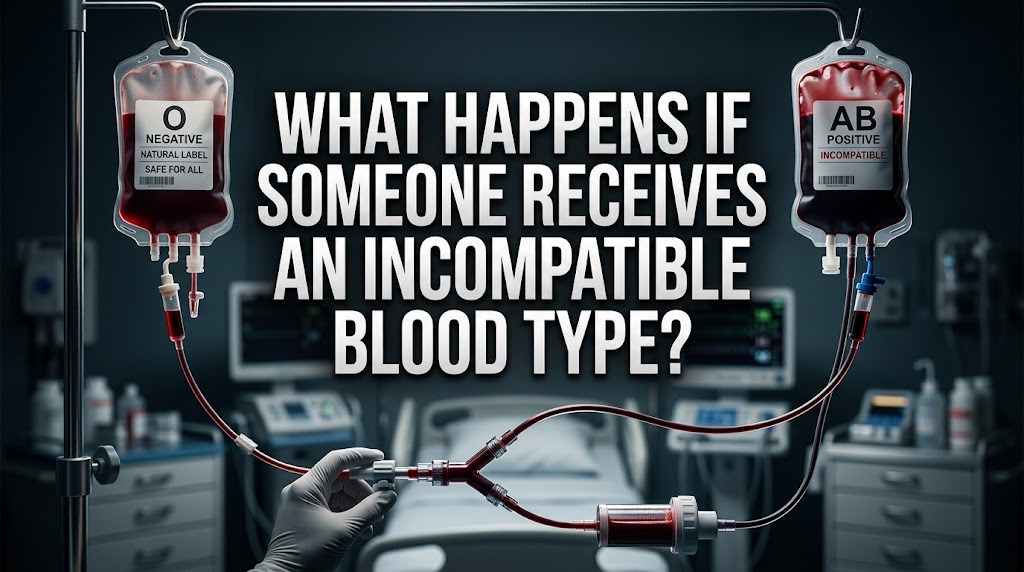
Receiving an incompatible blood type during a transfusion can cause the immune system to react against the donated red blood cells. This usually happens because antibodies in the recipient's blood recognize unfamiliar antigens on the donor cells. The reaction can damage or destroy the transfused red blood cells, a process known as hemolysis. An incompatible transfusion can therefore become a serious medical emergency.
The severity of the reaction depends on the type and amount of incompatible blood involved and other patient factors. An ABO-incompatible transfusion can cause a particularly severe acute reaction because naturally occurring ABO antibodies can react strongly. Symptoms may appear during the transfusion or shortly afterward. For this reason, hospitals use multiple safety checks to prevent blood group incompatibility.
WHY DOES THE BODY REACT TO INCOMPATIBLE BLOOD?
The body reacts because the immune system can identify foreign blood group antigens on donated red blood cells. A person naturally has antibodies against ABO antigens that are not present on their own red blood cells. For example, type A blood normally contains anti-B antibodies. If type B red blood cells are given to that person, the antibodies may attach to the donor cells.
This interaction can activate the immune system and lead to red blood cell destruction. The damaged cells can release substances into the bloodstream and cause a range of complications. In severe cases, the reaction can affect blood pressure, kidney function, and other organs. This is why compatible blood selection is a critical part of transfusion safety.
WHAT ARE THE COMMON SYMPTOMS OF A TRANSFUSION REACTION?
Symptoms of an acute transfusion reaction can include fever, chills, back or chest pain, nausea, shortness of breath, flushing, or a feeling of discomfort. A patient may also develop a rapid heartbeat or a drop in blood pressure. Some reactions are noticed because the patient suddenly feels unwell during the transfusion. Healthcare workers are trained to monitor for these warning signs.
More severe cases may cause hemoglobinuria, in which hemoglobin from destroyed red blood cells appears in the urine. A patient can also develop difficulty breathing, bleeding problems, or signs of shock. Not every symptom means that an ABO-incompatible transfusion has occurred, because other types of transfusion reactions can produce similar signs. Any suspected reaction requires immediate medical assessment.
WHAT HAPPENS DURING ACUTE HEMOLYSIS?
In an acute hemolytic transfusion reaction, antibodies attack incompatible red blood cells soon after they enter the bloodstream. The cells may break apart within the circulation, releasing hemoglobin and triggering an inflammatory response. The body can respond with fever, pain, low blood pressure, and other serious symptoms. The reaction can become life-threatening if not recognized and treated quickly.
The released hemoglobin can also place stress on the kidneys, which help filter substances from the blood. Severe reactions may contribute to kidney injury, shock, or abnormal blood clotting. Medical teams monitor the patient closely and perform laboratory tests to assess the extent of hemolysis and organ involvement. Prompt treatment is important to reduce further complications.
WHAT SHOULD HAPPEN IF A TRANSFUSION REACTION IS SUSPECTED?
When a serious transfusion reaction is suspected, the transfusion is generally stopped immediately while the patient is assessed. Healthcare workers check the patient's identity and the blood unit, and the blood bank is notified. Additional blood and urine samples may be collected to investigate whether the reaction is related to hemolysis or another cause. The patient receives supportive medical treatment based on their condition.
Medical teams may provide intravenous fluids, monitor urine output, support blood pressure, and treat other complications as needed. Further transfusions, if required, are selected only after the situation has been evaluated and compatible blood has been identified. Laboratory testing can help determine what caused the reaction. These steps are designed to protect the patient and prevent the problem from becoming worse.
CAN INCOMPATIBLE BLOOD CAUSE LONG-TERM PROBLEMS?
A severe incompatible transfusion can potentially cause serious organ complications, especially if treatment is delayed. Kidney injury, prolonged low blood pressure, abnormal clotting, and other complications may occur in severe hemolytic reactions. The long-term outcome depends on factors such as the severity of the reaction and how quickly appropriate treatment begins. Many patients recover when a reaction is recognized and managed promptly.
Not every blood incompatibility produces the same type of reaction. Some reactions are delayed and may occur days or weeks after transfusion rather than immediately. These reactions can happen when antibodies cause the gradual destruction of donor red blood cells. Follow-up testing may be needed when symptoms or laboratory findings suggest a delayed transfusion reaction.
HOW DO HOSPITALS PREVENT INCOMPATIBLE TRANSFUSIONS?
Hospitals use several transfusion safety procedures to reduce the risk of giving the wrong blood. These include confirming the patient's identity, determining the ABO and Rh type, screening for unexpected antibodies, and performing crossmatching when required. Blood units are also labeled, tested, stored, and documented according to established procedures. These layers of protection are important because a single mistake can have serious consequences.
At the bedside, healthcare workers may perform another identity check before starting the transfusion. The patient is also monitored during the procedure so that any unusual symptoms can be recognized quickly. In emergency situations, special protocols allow doctors to provide the safest available blood while testing continues. The goal is to balance the immediate need for blood with the highest possible level of patient safety.
WHY IS CORRECT BLOOD MATCHING SO IMPORTANT?
Correct blood type matching is essential because it prevents the immune system from attacking incompatible donor cells. ABO and Rh compatibility are major considerations, but other blood group antibodies can also affect the safety of a transfusion. This is why a simple blood type label is not the only information used when selecting a donor unit. Professional laboratory testing provides a more complete picture of compatibility.
Understanding the risks of incompatible blood also highlights the importance of accurate patient identification and laboratory testing. Blood transfusion is generally a safe and valuable medical treatment when proper procedures are followed. However, it must be performed under professional supervision with careful monitoring. These precautions greatly reduce the chance of a dangerous transfusion reaction.
CONCLUSION
Receiving an incompatible blood type can cause the immune system to attack and destroy donated red blood cells. A severe reaction may lead to hemolysis, low blood pressure, kidney problems, abnormal clotting, or other life-threatening complications. Symptoms can include fever, chills, pain, nausea, breathing difficulties, and feeling suddenly unwell during or after transfusion.
Because of these risks, hospitals follow strict blood transfusion safety procedures, including blood typing, antibody screening, compatibility testing, and identity checks. If a reaction is suspected, the transfusion is stopped and the patient is evaluated immediately. Careful matching and monitoring are therefore essential to make blood transfusions as safe as possible.
About the Author
Gusti Ayu Tita P
Author — STEKOM University
An active author focused on academic issues, educational technology, and human resource development in the campus environment.















