
What Is a Gas Station and How Does It Work?
Gusti Ayu Tita P
17 September 2026
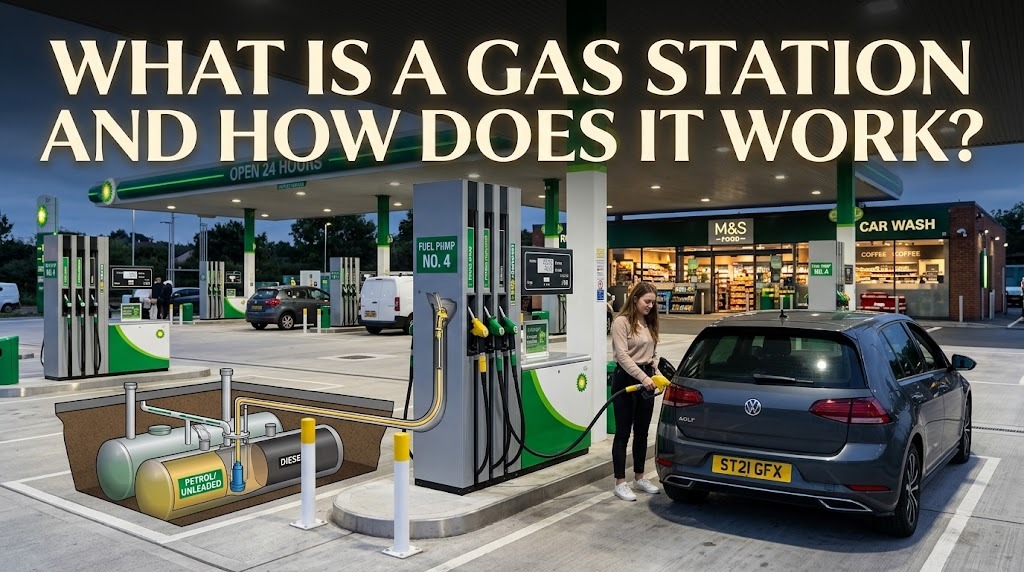
A gas station is a facility where people can refuel vehicles using gasoline, diesel, and other types of fuel. Gas stations are an important part of transportation because cars, motorcycles, trucks, and other vehicles need energy to operate. Besides selling fuel, many gas stations also provide services such as convenience stores, air pumps, vehicle maintenance, and digital payment options. Understanding how a gas station works can help drivers refuel safely and choose the right services.
WHAT IS A GAS STATION?
A gas station is a place designed to store and distribute vehicle fuel to customers. Depending on the country, it may also be called a petrol station, fuel station, or service station. The main purpose of a gas station is to make fuel easily available to drivers and other vehicle users. Fuel is normally stored in underground storage tanks before being transferred to vehicles through fuel dispensers. Modern gas stations are designed with safety systems to reduce the risk of leaks, spills, and fires.
Gas stations can serve different types of customers, including private vehicle owners, commercial drivers, and transportation companies. Some locations are operated by large fuel companies, while others may be independently managed. The services offered can also vary depending on the size and location of the station. A small station may focus mainly on fuel, while a larger one may provide additional facilities. Therefore, gas stations play an important role in supporting everyday transportation.
HOW DOES A GAS STATION WORK?
The operation of a gas station begins with the delivery of fuel from a refinery, terminal, or distribution facility. Fuel is transported to the station using specialized tanker trucks and transferred into designated storage tanks. When a customer needs fuel, a pump draws fuel from the storage system and sends it through pipes to the dispenser. The dispenser then measures the amount of fuel delivered and displays information such as the volume and price. This process allows customers to see how much fuel they purchase and how much they need to pay.
Modern fuel dispensers use metering systems to measure fuel accurately. They may also support cash, cards, mobile payments, or other digital payment methods. Gas stations generally have monitoring and safety equipment that can detect problems with tanks, pumps, or fuel distribution systems. Employees may also inspect equipment and the surrounding area regularly. These procedures help ensure that fuel can be distributed efficiently and safely.
WHAT TYPES OF FUEL ARE AVAILABLE AT GAS STATIONS?
The types of fuel available depend on the country, station, and vehicle demand. Gasoline is commonly used by many passenger cars and motorcycles, while diesel is widely used by trucks, buses, and some passenger vehicles. Gasoline can be offered in different octane ratings, which indicate its resistance to engine knocking. Drivers should follow their vehicle manufacturer's recommendations when selecting gasoline. Using the appropriate fuel helps the engine operate as intended.
Some gas stations also provide biofuel blends, compressed natural gas, liquefied petroleum gas, or other alternative fuels. In some locations, charging stations for electric vehicles are available alongside traditional fuel pumps. The availability of these options is influenced by local infrastructure, regulations, and consumer demand. Drivers should always check the vehicle manual before selecting an unfamiliar fuel type. Choosing the correct fuel is important because using an unsuitable product can cause vehicle problems.
HOW DO YOU REFUEL A VEHICLE AT A GAS STATION?
Before refueling, drivers should park their vehicle properly near the appropriate fuel dispenser. The engine should be turned off, and activities that could create a fire risk should be avoided. The driver should confirm the correct fuel type before starting the refueling process. After selecting the fuel, the nozzle can be inserted securely into the vehicle's fuel filler. The amount of fuel can then be controlled using the dispenser.
Drivers should remain attentive while refueling and avoid leaving the vehicle unattended. Once refueling is complete, the nozzle should be returned to its holder and the fuel cap should be closed securely. Any fuel spill should be reported to station staff immediately. Drivers should also keep away from smoking or using open flames in the fueling area. Following these simple steps can make refueling safer and more organized.
WHAT SAFETY RULES SHOULD YOU FOLLOW AT A GAS STATION?
Safety is essential because fuel is flammable and can create dangerous vapors. Drivers should turn off the engine before refueling and avoid smoking near fuel pumps. Mobile phones and other electronic devices should be used according to the station's safety instructions, especially if staff ask customers to stop using them during fueling. Children should remain supervised and away from the dispenser area. Drivers should also follow warning signs and instructions provided by station employees.
In addition, drivers should never attempt to repair a fuel dispenser or other station equipment themselves. If a spill, unusual smell, damaged equipment, or other hazard is noticed, it should be reported to station staff. Emergency equipment such as fire extinguishers is normally available at fuel facilities for trained personnel to use when necessary. Drivers should know where emergency exits and designated safe areas are located when required. Good safety practices help protect customers, employees, vehicles, and the surrounding environment.
CONCLUSION
A gas station is an important facility that provides fuel and supports the daily transportation needs of communities. Its basic operation involves storing fuel safely, transferring it through a distribution system, measuring the amount delivered, and processing customer payments. Different stations may offer gasoline, diesel, alternative fuels, electric vehicle charging, and additional services. Understanding the fueling process can help drivers make better decisions and avoid common mistakes. Most importantly, following gas station safety rules is essential whenever refueling a vehicle.
About the Author
Gusti Ayu Tita P
Author — STEKOM University
An active author focused on academic issues, educational technology, and human resource development in the campus environment.















