
What Is a Waste Bank and How Does It Work?
Gusti Ayu Tita P
20 Agustus 2026
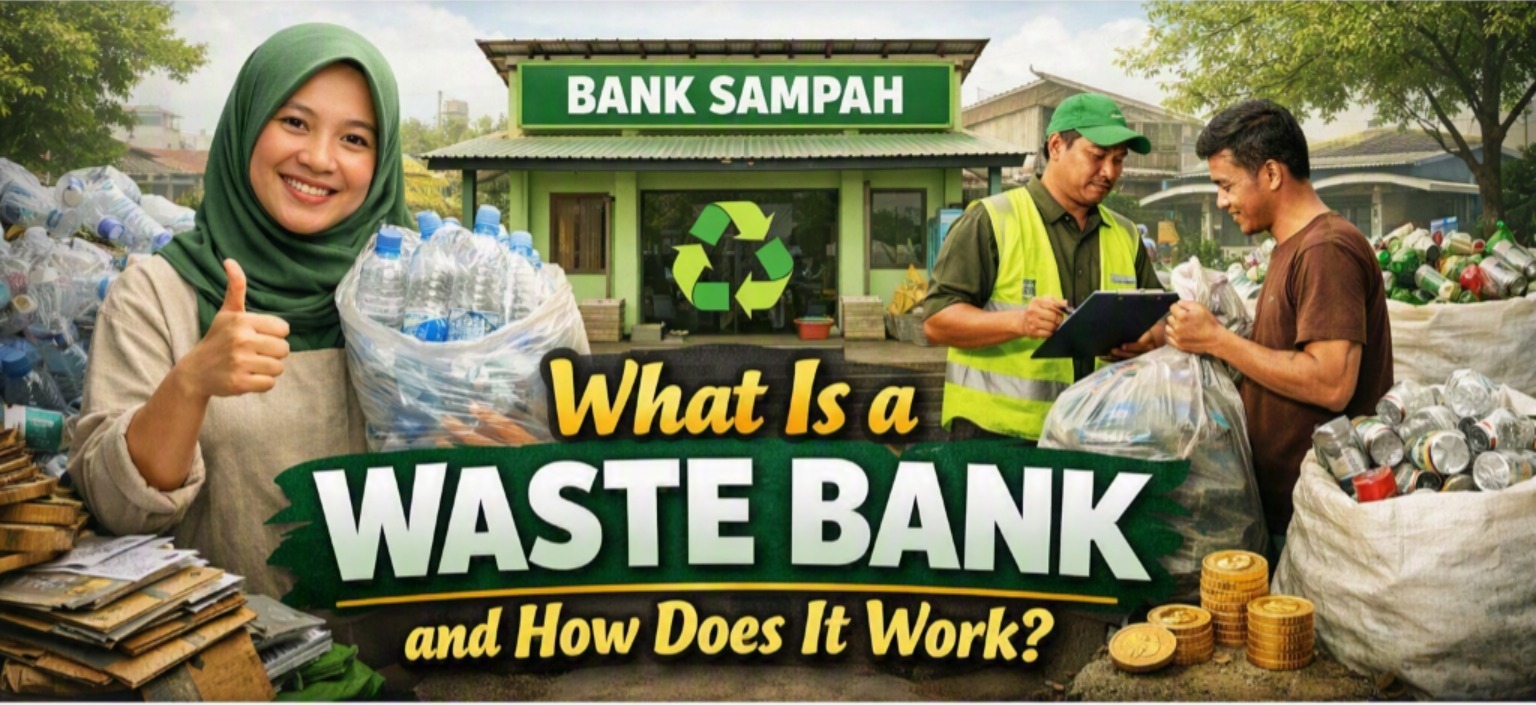
Waste management is an important part of creating a clean, healthy, and sustainable environment. One practical approach that has become increasingly popular in many communities is the waste bank. Unlike ordinary waste disposal systems, a waste bank encourages people to sort recyclable waste and treat it as something with potential economic value.
A waste bank combines environmental awareness, community participation, and simple financial incentives. Residents can collect and separate recyclable materials before bringing them to a waste bank, where the materials are weighed, recorded, and managed for recycling or further processing. This system can help reduce the amount of waste sent to landfills while encouraging people to develop better waste management habits.
WHAT IS A WASTE BANK?
A waste bank is a community-based waste management system that collects and manages recyclable waste through an organized process. People usually bring sorted materials such as plastic bottles, cardboard, paper, metal cans, or other recyclable items to the waste bank. Instead of immediately throwing these materials away, residents can have them weighed and recorded according to their type and value. Depending on the system used, the value may be saved as a balance that can later be withdrawn or exchanged for other benefits.
The main purpose of a waste bank is to make waste management more participatory and economically meaningful. It also helps residents understand that some waste still has value when it is properly separated and managed. However, a waste bank is not simply a place to store garbage because its activities involve sorting, recording, collecting, and channeling recyclable materials. The exact operating system can vary depending on local management, available facilities, and partnerships with recycling businesses.
HOW DOES A WASTE BANK WORK?
The operation of a waste bank generally starts with waste sorting at home. Residents separate recyclable materials from organic waste and other materials that cannot be recovered. The recyclable waste is then delivered to the waste bank according to its collection schedule or operating hours. Staff or volunteers identify the materials, check their condition, and weigh them according to category.
After weighing, the amount and type of waste are recorded in the resident's account or collection record. The recyclable materials are then stored temporarily before being sold or transferred to recycling partners or waste collectors. The money generated from recyclable materials can become savings for participating residents, depending on the rules established by the waste bank. Through this process, waste management becomes a shared activity between households, waste bank managers, collectors, and recycling industries.
WHAT TYPES OF WASTE CAN BE COLLECTED?
A waste bank commonly focuses on dry recyclable waste that has potential economic value. Examples include plastic bottles, plastic packaging, newspapers, cardboard, paper, aluminum cans, and certain metal items. Some waste banks may also accept other materials if they have appropriate recycling channels or buyers. Residents should always check the local waste bank's collection rules because accepted materials and prices can differ.
The condition of the waste is also important because clean and properly separated materials are generally easier to handle and recycle. Residents can improve the quality of collected materials by emptying containers, separating different types of waste, and keeping recyclable items reasonably clean and dry. Organic waste such as food scraps is usually managed through composting or other systems rather than being deposited at a conventional waste bank. Proper separation at the source makes the entire recycling process more efficient.
WHAT ARE THE BENEFITS OF A WASTE BANK?
One major benefit of a waste bank is its contribution to reducing waste sent to landfills. When recyclable materials are separated and redirected to recycling channels, fewer materials need to be disposed of as residual waste. Waste banks can also help communities develop a stronger culture of waste sorting and environmental responsibility. These habits are important because effective waste management begins with daily behavior at the household level.
Waste banks may also provide economic benefits for participants and local communities. Recyclable materials that were previously considered worthless can generate savings or income when collected in sufficient quantities. In addition, waste bank activities can create opportunities for community cooperation, education, collection, and small-scale waste-related businesses. Although the financial return is usually not the primary purpose, the economic aspect can encourage more people to participate consistently.
WHY IS WASTE SORTING IMPORTANT?
Waste sorting is one of the most important steps in making a waste bank effective. When recyclable and non-recyclable materials are mixed together, valuable materials can become contaminated and more difficult to recover. Sorting waste from the household level makes collection, storage, transportation, and recycling more efficient. It also helps residents understand how different types of waste should be managed.
Good sorting practices can reduce the amount of mixed waste that reaches disposal facilities. For example, paper and plastic packaging can be separated from food scraps before they are delivered to the appropriate management system. This simple habit can reduce contamination and improve the quality of recyclable materials. Over time, consistent sorting can become a normal part of responsible household waste management.
HOW CAN PEOPLE START USING A WASTE BANK?
People who want to participate can begin by finding a local waste bank and learning about its collection requirements. The next step is to prepare separate containers at home for recyclable materials such as paper, cardboard, plastic, and metal. Residents should keep the materials organized and follow the waste bank's rules regarding acceptable categories and collection schedules. This preparation makes the deposit process easier and helps maintain the quality of recyclable waste.
It is also useful to involve family members and neighbors because waste management becomes more effective when practiced collectively. Communities can organize regular collection activities, educational programs, or neighborhood waste sorting campaigns. Schools, workplaces, and community organizations can also support waste bank programs through education and partnerships. With consistent participation, a waste bank can become part of a broader community-based waste management system.
THE ROLE OF THE COMMUNITY IN WASTE BANK MANAGEMENT
A waste bank cannot operate effectively without active community participation. Residents provide recyclable materials, while managers organize collection, weighing, recording, storage, and distribution. Local governments, community organizations, recycling businesses, and other partners can also provide support through education, facilities, training, or market access. Cooperation among these groups can strengthen the sustainability of the program.
Community participation is important because a waste bank is more than a recycling collection point. It can become a platform for environmental education and social cooperation. Regular activities can encourage residents to reduce unnecessary consumption, reuse suitable items, and sort waste correctly. When these practices become routine, the environmental benefits can extend beyond the waste bank itself.
CONCLUSION
A waste bank offers a practical way to connect waste reduction with community action. By separating recyclable materials and directing them into appropriate recycling channels, communities can reduce the amount of waste that requires final disposal. The system also creates an opportunity to build environmental awareness through everyday activities. Its success depends on consistent participation, responsible management, reliable recycling channels, and realistic economic incentives.
Although a waste bank cannot solve every waste management problem, it can be an important part of a broader waste reduction strategy. Communities can achieve better results when waste banks are combined with reducing consumption, reusing products, recycling materials, composting organic waste, and disposing of residual waste properly. Through simple actions and collective responsibility, waste management can become more effective and sustainable.
About the Author
Gusti Ayu Tita P
Author — STEKOM University
An active author focused on academic issues, educational technology, and human resource development in the campus environment.















