
What Is an Inner Child and Why Is It Important to Understand?
Gusti Ayu Tita P
11 September 2026
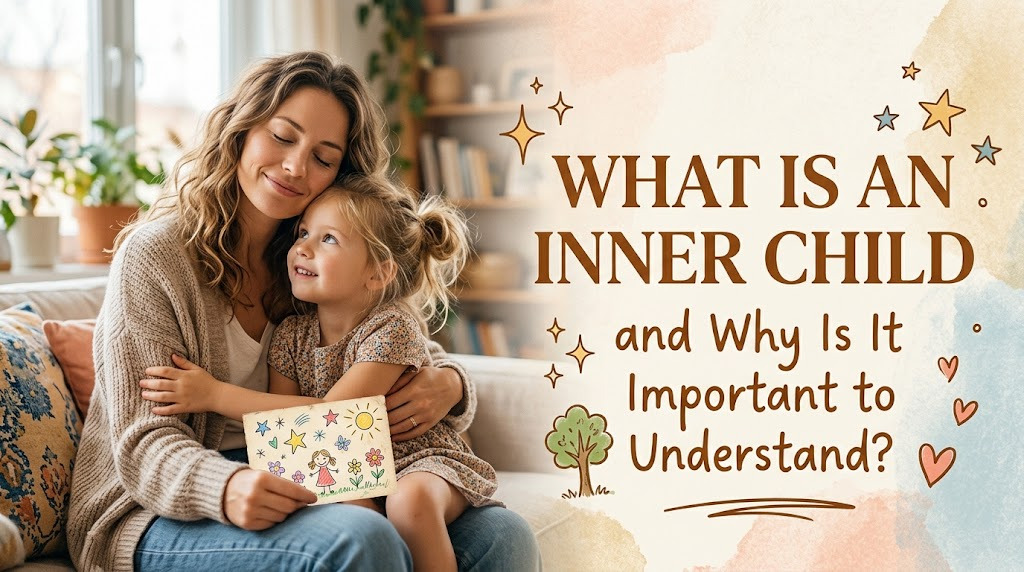
The term inner child is often used to describe the part of a person that is connected to childhood experiences, emotions, memories, and needs. It is not a medical diagnosis, but rather a psychological concept that can help people reflect on how earlier experiences may relate to their thoughts and feelings today. Understanding the inner child can encourage greater self awareness and help people recognize emotional patterns in everyday life.
Childhood experiences can influence how people learn to understand themselves, communicate with others, and respond to different situations. However, adult behavior is shaped by many factors, so not every difficulty experienced later in life is caused by childhood experiences. Learning about the inner child can simply provide another perspective for understanding personal emotions and developing healthier ways of responding to them.
WHAT DOES INNER CHILD MEAN?
The inner child is commonly understood as a symbolic representation of the emotional experiences and needs associated with childhood. It can include memories of happiness, curiosity, fear, disappointment, or the desire to feel accepted and supported. The concept encourages people to look at these experiences with awareness rather than ignoring them. It can also help explain why certain situations may trigger strong emotional reactions.
Understanding this concept does not mean assuming that every childhood experience has a lasting negative effect. Positive childhood experiences can also become an important source of confidence, creativity, and emotional strength. The inner child concept is therefore not only about difficult memories but also about recognizing meaningful parts of childhood that continue to influence a person's identity.
HOW CAN CHILDHOOD EXPERIENCES RELATE TO ADULT LIFE?
Childhood is an important period for learning about relationships, communication, emotions, and personal boundaries. Experiences during this period may contribute to the development of beliefs about oneself and the world. For example, repeated encouragement may support confidence, while frequent criticism may influence how a person evaluates their own abilities. These effects can vary greatly from one individual to another.
As people grow older, new experiences, relationships, education, and personal reflection can also influence their behavior. This means childhood experiences are only one part of a much larger picture. Understanding the inner child can help people notice possible connections between past experiences and current reactions without assuming that the past completely determines their future.
WHY IS IT IMPORTANT TO UNDERSTAND THE INNER CHILD?
Understanding the inner child can encourage people to become more aware of their emotions and personal needs. When someone recognizes a recurring emotional response, they may become more curious about what caused or influenced it. This kind of reflection can support emotional awareness and help a person respond more thoughtfully instead of reacting automatically.
The concept can also encourage greater self-acceptance. Instead of judging themselves for having certain feelings, people can learn to acknowledge those feelings with patience and understanding. This does not mean excusing unhealthy behavior, but it can create an opportunity to develop better responses and healthier habits.
SIMPLE WAYS TO UNDERSTAND YOUR INNER CHILD
One simple way to explore the inner child is through personal reflection. A person can think about childhood experiences that made them feel happy, supported, worried, disappointed, or proud. Writing down thoughts and emotions can sometimes make recurring patterns easier to notice. The goal is not to force memories or reach a particular conclusion, but to develop a better understanding of personal experiences.
Another useful approach is to pay attention to emotional reactions in everyday situations. If a situation creates an unusually strong response, a person can calmly consider what they are feeling and what they may need. Talking with a trusted adult or qualified mental health professional can also be appropriate when personal experiences feel difficult to understand or manage.
UNDERSTANDING THE INNER CHILD IN A HEALTHY WAY
The inner child can be a useful concept for personal growth when approached with balance and critical thinking. It can help people reflect on their experiences without assuming that every current problem comes from childhood. People continue to change throughout life, and present circumstances can be just as important as past experiences.
Understanding the inner child should therefore focus on awareness, self-acceptance, and healthy choices. A person can acknowledge difficult experiences while also recognizing positive memories and strengths developed over time. With this balanced perspective, learning about the inner child can become one way to better understand emotions, relationships, and personal development.
CONCLUSION
The inner child is a psychological concept that represents emotional experiences, memories, and needs connected to childhood. Understanding it can help people develop greater self awareness and recognize possible connections between past experiences and present emotions. However, childhood is only one of many factors that can influence how a person thinks, feels, and behaves.
Learning about the inner child does not require blaming the past or labeling oneself. Instead, it can be an opportunity for self reflection, emotional awareness, and personal growth. By approaching the concept with patience and balance, people can better understand themselves while continuing to develop healthier ways of responding to life's challenges.
About the Author
Gusti Ayu Tita P
Author — STEKOM University
An active author focused on academic issues, educational technology, and human resource development in the campus environment.















