What Is Illegal Parking and Why Does It Harm Road Users?
Gusti Ayu Tita P
26 Agustus 2026
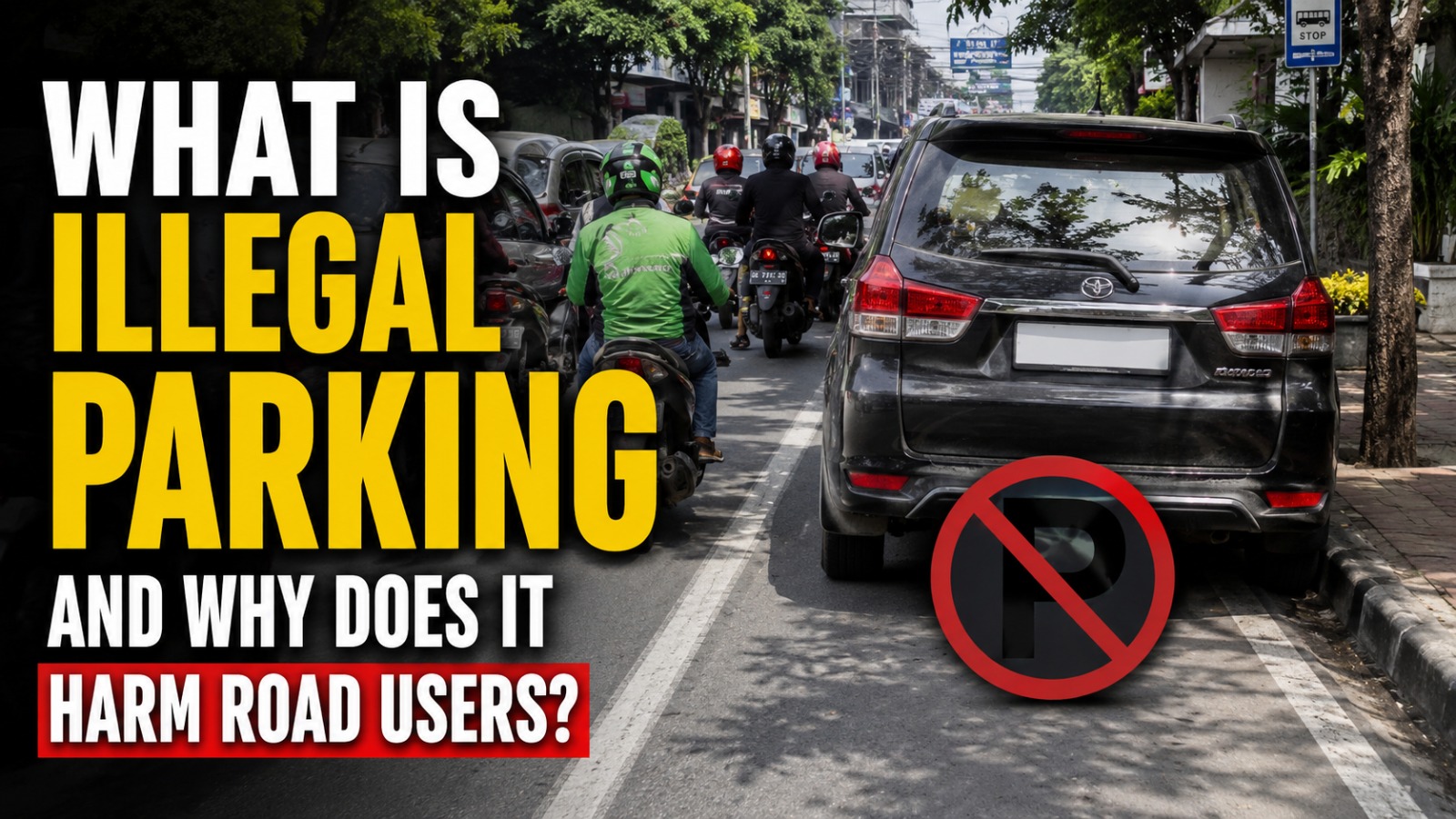
Illegal parking is a common traffic problem in many urban areas. It happens when a vehicle is parked in a location or manner that violates traffic rules, parking regulations, or road restrictions. Examples include parking on sidewalks, blocking driveways, stopping in no-parking zones, or occupying areas intended for pedestrians. Although illegal parking may seem like a minor violation, it can create serious problems for other road users.
The impact becomes greater when illegal parking occurs on busy roads, near schools, markets, hospitals, or public facilities. It can reduce road capacity, obstruct visibility, increase congestion, and create safety risks. Understanding what illegal parking is and why it is harmful can encourage drivers to park responsibly and help create safer roads for everyone.
WHAT IS ILLEGAL PARKING?
Illegal parking refers to parking a vehicle in a place or position that is prohibited by applicable traffic regulations. The exact restrictions can vary depending on local laws, road signs, markings, and conditions. Common examples include parking on sidewalks, pedestrian crossings, intersections, bus stops, emergency access areas, and roads marked with no-parking signs. Parking in front of an entrance or blocking another vehicle may also be considered illegal depending on local regulations.
Illegal parking is not always limited to a vehicle being left for a long time. A driver can still cause an obstruction by stopping in a prohibited location, even for a short period. Traffic signs, road markings, and local parking rules should therefore be checked before leaving a vehicle. Following these rules helps ensure that roads and public spaces remain accessible and safe.
WHY DOES ILLEGAL PARKING HARM ROAD USERS?
Illegal parking can reduce the usable space available for moving vehicles. When a vehicle occupies part of a traffic lane, other drivers may need to slow down, change lanes, or move closer to oncoming traffic. These sudden movements can increase the possibility of collisions, especially on narrow or busy roads. Traffic may also become slower when several illegally parked vehicles appear along the same route.
Pedestrians can face additional risks when vehicles block sidewalks or crossings. They may be forced to walk on the road and share space with moving vehicles, which can be particularly dangerous for children, older adults, and people with disabilities. Illegal parking near intersections can also obstruct the view of drivers and pedestrians, making it harder to notice approaching vehicles. As a result, a parking violation can affect the safety and convenience of many people, not just the driver who parked incorrectly.
HOW ILLEGAL PARKING CAUSES TRAFFIC CONGESTION?
One major effect of illegal parking is traffic congestion. A vehicle parked on the road reduces the available width for moving traffic, particularly when the road has only one or two lanes. Drivers may have to wait for a safe opportunity to pass or merge into another lane. When this happens repeatedly, even a small parking obstruction can contribute to longer travel times.
Congestion can become worse in areas with high traffic volumes, such as commercial districts and public transport routes. Illegal parking near intersections can interfere with turning movements and make traffic queues grow faster. Delivery vehicles, buses, motorcycles, and private cars may all be affected by the reduced road space. Proper parking management can therefore help maintain smoother traffic flow and reduce unnecessary delays.
THE DANGER TO PEDESTRIANS AND CYCLISTS
Illegal parking can create serious problems for pedestrians and cyclists, who have less protection than people inside cars. When sidewalks or bicycle facilities are blocked, they may have to move into areas used by motor vehicles. This increases their exposure to traffic and can make normal journeys more dangerous. Vehicles parked near crossings can also make it difficult for drivers to see people who are trying to cross the road.
The risk is especially concerning in places where many people walk or cycle. Schools, residential areas, markets, and public transport stops can become more dangerous when vehicles are parked carelessly. Keeping sidewalks, crossings, and designated cycling spaces clear allows vulnerable road users to travel more safely. Responsible parking is therefore an important part of road safety, not simply a matter of following rules.
IMPACT ON EMERGENCY SERVICES
Illegal parking can also interfere with emergency access. Fire trucks, ambulances, and other emergency vehicles may need to reach a location quickly and require enough space to pass. A vehicle blocking an access road, narrow street, entrance, or emergency route can cause unnecessary delays. In an emergency, even a short delay can have serious consequences.
For this reason, drivers should never park in areas specifically reserved for emergency access or response vehicles. Keeping these routes clear helps emergency personnel reach people and locations without avoidable obstacles. Emergency access must remain available at all times, even when parking demand is high. Drivers should consider the potential consequences before leaving a vehicle in a restricted area.
HOW TO REDUCE ILLEGAL PARKING?
Reducing illegal parking requires cooperation between drivers, local authorities, businesses, and communities. Drivers should look for designated parking areas and pay attention to traffic signs and road markings. They should avoid sidewalks, pedestrian crossings, intersections, emergency access points, and other restricted locations. When legal parking is unavailable, finding another designated space is safer than creating an obstruction.
Authorities can also support better parking behavior through clear signs, adequate parking facilities, consistent enforcement, and public education. Businesses can help by ensuring that customers have access to appropriate parking without obstructing public roads. Communities can encourage responsible behavior by sharing information about the effects of illegal parking. Combining good parking facilities, clear regulations, and effective enforcement can make illegal parking less common.
CONCLUSION
Responsible parking helps protect the rights and safety of everyone who uses the road. A driver may save a few minutes by parking illegally, but the decision can create delays, inconvenience, or danger for many other people. Safe parking means choosing a legal location without blocking traffic, pedestrians, cyclists, entrances, or emergency routes. This simple habit can contribute to a more organized transportation environment.
Road safety is a shared responsibility, and parking behavior is part of that responsibility. Drivers should not only consider whether a space is convenient but also whether their vehicle creates an obstruction or hazard. By following parking regulations and respecting other road users, drivers can help reduce congestion, improve accessibility, and prevent avoidable accidents. Small changes in parking habits can make roads safer and more comfortable for everyone.
About the Author
Gusti Ayu Tita P
Author — STEKOM University
An active author focused on academic issues, educational technology, and human resource development in the campus environment.