
What Is Land Tourism And What Are Its Types?
Gusti Ayu Tita P
17 September 2026
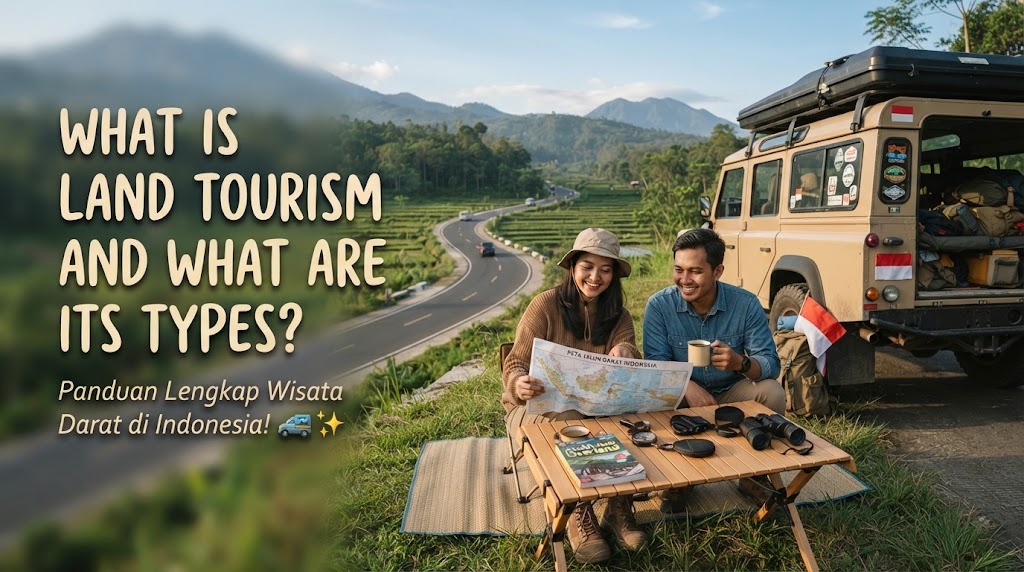
Land tourism is a type of travel that allows people to explore destinations mainly through land transportation. Travelers can visit cities, villages, mountains, beaches, cultural sites, and other attractions during their journey. This type of tourism can be done by car, bus, train, motorcycle, or other land vehicles. Besides reaching a destination, the journey itself can become an enjoyable part of the travel experience. Land tourism is also a good way to discover new places, cultures, and local activities.
WHAT IS LAND TOURISM?
Land tourism refers to tourism activities that involve traveling between destinations primarily by land-based transportation. Unlike tourism that depends mainly on air or sea transportation, land tourism gives travelers more opportunities to see places along the route. The journey can include short trips within one region or longer trips between different cities and areas. Travelers can choose transportation based on their budget, distance, and personal needs. This makes land tourism a flexible option for many types of travelers.
Land tourism is not only about transportation but also about the experiences gained during the journey. Travelers can stop at interesting locations, try local food, interact with communities, and enjoy natural scenery. These activities can make a trip more meaningful and memorable. Good planning is still important to manage travel time, costs, and safety. With proper preparation, land tourism can provide both relaxation and learning opportunities.
ROAD TOURISM
Road tourism is one of the most common forms of land tourism. It involves traveling by cars, buses, motorcycles, or other vehicles on roads. Travelers can create their own routes and decide where to stop during the journey. Road trips are suitable for family vacations, group travel, and personal adventures. They also allow tourists to explore places that may not be easily reached by other forms of transportation.
One advantage of road tourism is its flexibility. Travelers can adjust their schedules according to weather, traffic, and personal preferences. However, they should consider road conditions, fuel costs, traffic rules, and rest times. Drivers should also avoid driving when they are tired. Careful planning can make road tourism safer and more comfortable.
TRAIN TOURISM
Train tourism uses rail transportation to connect travelers with different destinations. Trains can be a practical choice for traveling between cities and regions, especially when travelers want to avoid driving themselves. During the journey, passengers can relax while enjoying views from the train window. Some train routes also pass through scenic areas, making the journey part of the tourism experience.
Train tourism can also provide an opportunity to experience local transportation and culture. Travelers may meet people from different backgrounds and observe daily life in areas along the route. Depending on the destination, trains may offer different classes and levels of comfort. Travelers should check schedules, ticket availability, and travel times before departure. Proper planning helps make train travel more convenient.
CULTURAL LAND TOURISM
Cultural land tourism focuses on visiting destinations that offer local traditions, history, arts, and customs. Travelers may visit museums, historical buildings, traditional villages, cultural centers, or local festivals. They can also learn about traditional food, clothing, music, dances, and crafts. These experiences help visitors understand the identity and history of a particular community. Cultural tourism can therefore make a land journey both educational and enjoyable.
Travelers should show respect for local customs when visiting cultural destinations. They should follow local rules, ask permission before taking photographs when necessary, and avoid damaging cultural sites. Learning basic information about a destination before visiting can also improve the experience. Respectful tourism can create positive interactions between visitors and local communities. It can also encourage greater appreciation for cultural diversity.
NATURE BASED LAND TOURISM
Nature-based land tourism involves visiting natural attractions such as mountains, forests, waterfalls, lakes, and countryside areas. Travelers can enjoy activities such as hiking, sightseeing, camping, or simply relaxing in natural surroundings. These activities provide opportunities to enjoy landscapes away from busy urban areas. They can also help travelers learn more about local environments. However, visitors should always consider environmental conditions before participating in outdoor activities.
Responsible behavior is important when enjoying nature-based tourism. Travelers should avoid littering, damaging plants, disturbing wildlife, or leaving unnecessary waste behind. Following designated paths and local regulations can help protect natural areas. Visitors should also prepare suitable clothing, food, water, and safety equipment when necessary. These simple actions support responsible and sustainable tourism.
EDUCATIONAL LAND TOURISM
Educational land tourism combines travel with learning experiences. Students and other travelers can visit museums, historical locations, farms, science centers, cultural sites, or educational institutions. These visits can provide information that is different from what people normally learn in classrooms or through books. Direct observation can make certain topics easier to understand and remember. For students, educational trips can also encourage curiosity and teamwork.
Educational land tourism can be planned according to the interests and learning goals of the travelers. Teachers, parents, or tour organizers can prepare activities such as observation tasks, discussions, and simple reports. This approach allows travelers to gain knowledge while still enjoying their trip. The destination should be selected based on safety, accessibility, and educational value. When planned properly, travel can become an interesting way to learn outside the classroom.
FAMILY LAND TOURISM
Family land tourism involves traveling with family members to enjoy destinations and activities together. Families can visit recreational parks, beaches, mountains, cultural attractions, or other suitable locations. Land transportation can make it easier to carry personal belongings and adjust travel stops. Family members can spend time talking, sharing experiences, and creating memories during the journey. The trip can also strengthen relationships through shared activities.
When planning a family trip, travelers should consider the needs of every family member. Children, older adults, or people with different physical needs may require more frequent breaks or suitable facilities. The travel schedule should not be too crowded so everyone can enjoy the trip comfortably. Food, accommodation, transportation, and emergency plans should also be prepared in advance. Good preparation can make a family land trip more enjoyable and organized.
CONCLUSION
Land tourism is a form of tourism that allows people to explore destinations through land-based travel while enjoying experiences along the way. Its types include road tourism, train tourism, cultural tourism, nature-based tourism, educational tourism, and family tourism. Each type offers different activities and experiences depending on the destination and travel purpose. Travelers should consider time, budget, safety, and local conditions before starting their journey. With good preparation and responsible behavior, land tourism can become a flexible, educational, and enjoyable travel experience.
About the Author
Gusti Ayu Tita P
Author — STEKOM University
An active author focused on academic issues, educational technology, and human resource development in the campus environment.















