
What Is Reincarnation and How Is It Explained in Different Beliefs?
Gusti Ayu Tita P
9 September 2026
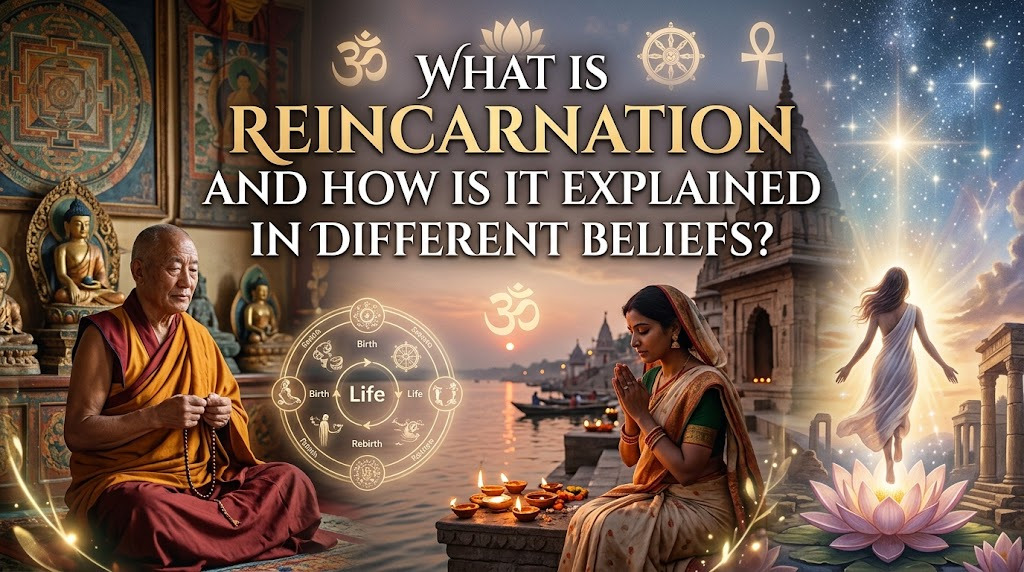
Reincarnation is a concept found in several religions, cultures, and spiritual traditions around the world. It generally refers to the idea that some form of life continues after death through rebirth. However, the meaning of reincarnation is not exactly the same in every belief system. Hinduism, Buddhism, and traditional beliefs each have their own explanations about death, rebirth, karma, and spiritual development. Understanding these differences can provide a clearer view of how people have interpreted life and death throughout history.
THE MEANING OF REINCARNATION
Reincarnation generally describes the belief that a person experiences another form of existence after death. In some traditions, this process is connected to the actions and moral choices made during a person's previous life. The idea is often associated with a continuing cycle of birth, death, and rebirth. However, different traditions explain what continues after death in different ways.
The concept of rebirth is sometimes understood as part of a spiritual journey rather than simply being born again as another person. Some traditions emphasize the consequences of actions, while others focus on spiritual liberation. Because of these differences, reincarnation should be understood according to the religious or cultural context in which it appears.
REINCARNATION IN HINDUISM
In Hinduism, reincarnation is closely connected with the concepts of karma, samsara, and moksha. Samsara refers to the cycle of birth, death, and rebirth. Karma describes the consequences associated with a person's actions and is an important part of understanding this cycle. Life is therefore viewed as part of a broader spiritual journey.
The ultimate goal is often described as moksha, or liberation from the cycle of samsara. Hindu traditions contain different philosophical interpretations of the relationship between the self, the body, and the divine. Reincarnation is therefore not simply about living another life but is connected to spiritual growth and the possibility of liberation. This makes the concept an important part of Hindu thought.
REBIRTH IN BUDDHISM
Buddhism also teaches the concept of rebirth, but its explanation differs from the traditional idea of a permanent soul moving from one body to another. Buddhist teachings emphasize causes and conditions that influence the continuation of existence. Karma plays an important role in this process. The cycle of existence is known as samsara.
The goal of Buddhist practice is to reach Nirvana, which involves freedom from the cycle of samsara. Different Buddhist traditions may explain rebirth in somewhat different ways. However, the concept is generally connected to teachings about suffering, attachment, actions, and liberation. This makes Buddhist rebirth distinct from some popular ideas about reincarnation.
REINCARNATION IN OTHER BELIEFS AND CULTURES
Ideas about life after death and rebirth can also be found in various traditional cultures. Some communities have beliefs concerning spirits, ancestors, or the continuation of life after death. Certain traditions include stories suggesting that a person may return to the world in another form. However, these beliefs are not necessarily identical to the concepts found in Hinduism or Buddhism.
Cultural traditions are often shaped by history, customs, oral storytelling, and local spiritual practices. As a result, the idea of past lives can have different meanings from one community to another. Some people view such stories as spiritual teachings, while others consider them important elements of cultural heritage. Understanding the original context is important before comparing different traditions.
WHY DO PEOPLE BELIEVE IN REINCARNATION?
People may believe in reincarnation for many different reasons. Religious teachings and family traditions can strongly influence how someone understands death and what may happen afterward. Personal experiences, spiritual beliefs, and stories about past lives may also contribute to these views. For some people, reincarnation provides a way to understand the meaning of life, morality, and death.
At the same time, religious belief should be distinguished from scientific evidence. Personal experiences and traditional stories can be meaningful to individuals, but they do not automatically establish reincarnation as a scientifically proven fact. Scientific research requires evidence that can be systematically examined and tested. Keeping these perspectives separate allows people to discuss reincarnation respectfully and objectively.
CONCLUSION
Reincarnation is a broad concept involving ideas about rebirth, death, and continued existence. Hinduism connects it with karma, samsara, and moksha, while Buddhism explains rebirth through a different understanding of existence, causes, and liberation. Traditional beliefs around the world also contain diverse ideas about spirits, ancestors, and life after death. Although reincarnation remains an important spiritual and cultural belief for many people, its religious interpretations should be distinguished from scientific claims. Understanding these differences helps create a more balanced view of this fascinating subject.
About the Author
Gusti Ayu Tita P
Author — STEKOM University
An active author focused on academic issues, educational technology, and human resource development in the campus environment.















