What Is the Connection Between Neighborhood Watch Posts and Community Safety?
Gusti Ayu Tita P
18 September 2026
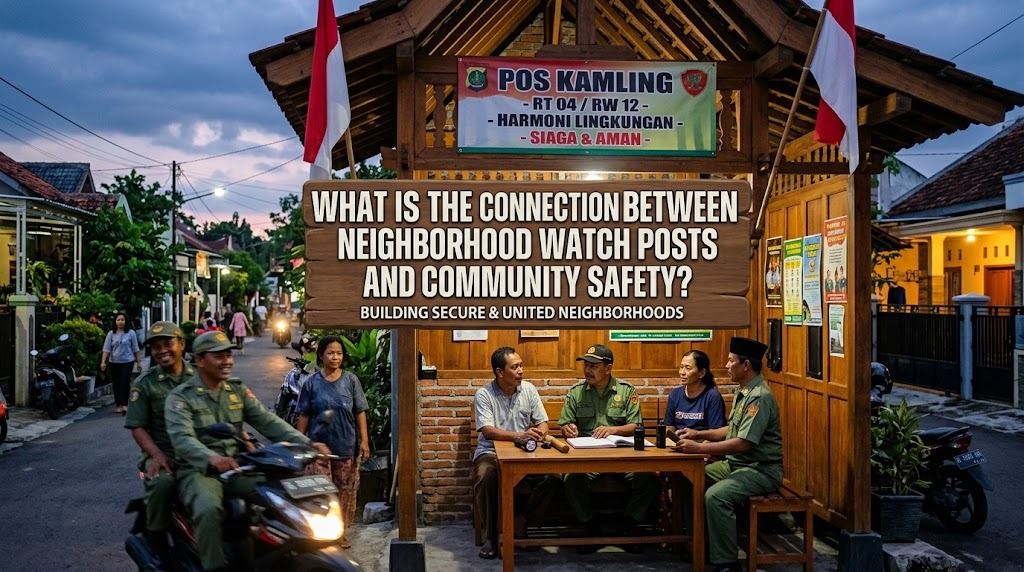
Community safety depends on awareness, cooperation, and active participation among residents. One way communities can support these efforts is through a neighborhood watch post, a designated place where residents can coordinate local security activities. It can provide a central point for communication, monitoring, and community interaction. Although its form and name may differ between communities, its main purpose is generally connected to maintaining a safer and more organized neighborhood.
A neighborhood watch post is not a replacement for professional law enforcement. Instead, it can serve as a community-based support system that encourages residents to pay attention to their surroundings and communicate when problems occur. When managed responsibly, it can strengthen relationships between residents and create a stronger sense of shared responsibility for neighborhood safety.
UNDERSTANDING THE ROLE OF A NEIGHBORHOOD WATCH POST
A neighborhood watch post is a community facility used to support local security and communication activities. Residents may use it as a meeting point before or after scheduled patrols. It can also become a place where people exchange information about unusual situations, local concerns, or community activities. Having a designated location makes it easier to organize residents and coordinate security-related responsibilities. In many communities, the post also functions as a social space that encourages residents to know one another better.
The effectiveness of a watch post depends largely on community participation rather than the physical building itself. A well-maintained post with no regular activity will have limited impact. Conversely, a simple facility can be useful when residents consistently communicate, follow agreed procedures, and cooperate with appropriate authorities. The main value of the post therefore comes from the activities and relationships developed around it.
HOW NEIGHBORHOOD WATCH POSTS SUPPORT COMMUNITY SAFETY
Neighborhood watch posts can contribute to safety by improving community awareness. Residents who participate in scheduled activities may become more familiar with normal conditions in their surroundings. This awareness can make it easier to notice unusual events, such as unfamiliar activity around homes or public areas. Residents can then communicate concerns through appropriate channels rather than ignoring potentially important situations. This creates an additional layer of community attention.
Another important function is communication during local incidents. A watch post can provide a convenient place for residents to discuss neighborhood concerns and coordinate non-emergency responses. Clear communication can reduce confusion and help residents understand what actions are appropriate. For emergencies or suspected crimes, residents should contact the relevant emergency services or law enforcement rather than attempting to handle dangerous situations themselves. In this way, a neighborhood watch post supports safety without replacing professional emergency services.
THE CONNECTION BETWEEN COMMUNITY COOPERATION AND SECURITY
Community safety is closely connected to cooperation between residents. When people regularly interact through neighborhood activities, they have more opportunities to build trust and understand their shared responsibilities. A watch post can encourage this interaction by providing a common place for meetings and patrol coordination. Stronger relationships can make residents more willing to share useful information and support one another. This cooperation can contribute to a more connected neighborhood.
Regular participation can also help prevent residents from becoming isolated from community concerns. People may learn about safety procedures, local rules, and ways to respond appropriately to common problems. Mutual awareness can be especially useful in neighborhoods with many households and different daily routines. However, cooperation should always respect privacy and avoid unfounded accusations against neighbors. Responsible community safety focuses on observable behavior and appropriate reporting rather than suspicion based on personal characteristics.
ACTIVITIES THAT CAN BE ORGANIZED AT A WATCH POST
A neighborhood watch post can support various community security activities. Residents can organize patrol schedules, hold short coordination meetings, and discuss recurring safety concerns. The post can also be used to record basic non-sensitive information about patrol activities or community maintenance needs. In addition, residents can conduct discussions about emergency preparedness and safe responses to local incidents. These activities can help make community security more organized.
The post can also support social activities that indirectly strengthen neighborhood safety. Community meetings, clean-up activities, and gatherings can encourage residents to become more familiar with one another. Young people can participate in suitable activities such as community clean-ups, information campaigns, or technology support under adult supervision. Combining social interaction with responsible security practices can make the watch post more active. The goal is to create a space where residents communicate and cooperate while maintaining appropriate boundaries.
KEEPING A NEIGHBORHOOD WATCH POST EFFECTIVE
An effective watch post requires consistent organization and maintenance. Communities should establish clear schedules so responsibilities are distributed fairly among participating residents. Basic equipment, lighting, communication tools, and seating should be maintained according to local needs and available resources. The community should also review its activities periodically to determine whether schedules and procedures remain practical. Clear responsibilities can prevent the security program from depending on only a few active residents.
Technology can provide additional support when used responsibly. Mobile communication, community messaging groups, lighting systems, and other appropriate tools can make coordination easier. However, communities should consider privacy, data protection, and local regulations before installing cameras or collecting information about residents. Technology should complement human cooperation rather than become the only security measure. Combining organized participation, communication, responsible technology, and cooperation with authorities can make neighborhood watch activities more sustainable.
CONCLUSION
The connection between neighborhood watch posts and community safety lies in the ability of residents to organize, communicate, and participate in responsible security activities. A watch post provides a practical location for coordination, patrol planning, information sharing, and community interaction. Its effectiveness depends on consistent participation rather than the building itself. When residents cooperate and follow appropriate safety procedures, the post can become part of a broader community safety system.
A safe neighborhood requires shared responsibility and communication between residents, community leaders, and professional authorities. Neighborhood watch activities should focus on awareness, prevention, cooperation, and responsible reporting. With regular maintenance and appropriate use of technology, a watch post can remain useful even as communities become more modern. Ultimately, its strongest contribution is helping residents build a more connected, aware, and cooperative community.
About the Author
Gusti Ayu Tita P
Author — STEKOM University
An active author focused on academic issues, educational technology, and human resource development in the campus environment.