What Is the Connection Between Oversharing and Social Media Habits?
Gusti Ayu Tita P
18 September 2026
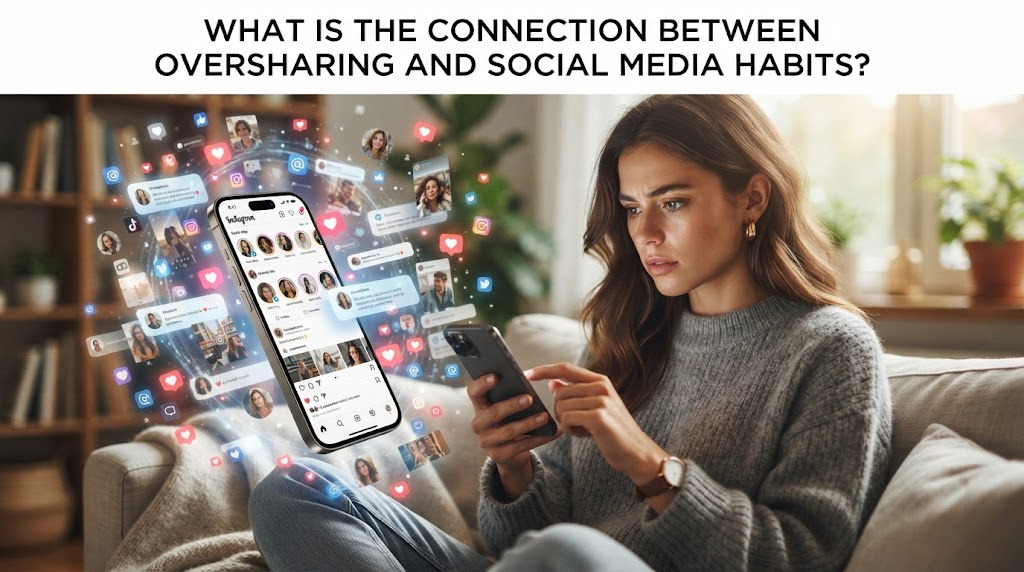
Social media has changed the way people communicate, share experiences, and express their opinions. Platforms allow users to post photos, videos, personal stories, and daily activities within seconds. However, frequent posting can sometimes encourage oversharing, especially when users do not consider how much information they are revealing. Understanding the connection between oversharing and social media habits can help people use digital platforms more responsibly.
WHY DOES SOCIAL MEDIA ENCOURAGE OVERSHARING?
Social media makes sharing information extremely easy and immediate. Users can post their thoughts, activities, locations, and experiences to a large audience with only a few clicks. This convenience can make people share information without carefully considering the possible consequences. The desire for attention, interaction, or social connection can also encourage frequent personal posting.
Another factor is the expectation of receiving reactions from other users. Likes, comments, shares, and messages can make people feel encouraged to continue posting personal content. Over time, sharing may become a regular habit rather than a deliberate decision. This can increase the possibility of unnecessary personal information being exposed online.
HOW DO DAILY SOCIAL MEDIA HABITS LEAD TO OVERSHARING?
Daily social media habits can influence how people decide what information is appropriate to share. Someone who regularly posts their activities may gradually reveal details about their routines, relationships, interests, and locations. Individual posts may seem harmless, but several posts together can create a detailed picture of a person's private life. This is one reason online privacy should be considered when developing social media habits.
Frequent posting can also make users less aware of the amount of information they have already shared. For example, repeatedly posting where they go, who they meet, and what they do can reveal patterns over time. The information may become more sensitive when combined with publicly visible profile details. Practicing mindful social media use can help users recognize when their posting habits become excessive.
CAN SOCIAL MEDIA VALIDATION INCREASE OVERSHARING?
Social media validation can influence people's willingness to share personal information. Positive reactions such as likes, comments, and supportive messages may encourage users to post more frequently. Some users may eventually share increasingly personal stories because they expect stronger reactions from their audience. This can create a cycle in which social approval and personal disclosure become closely connected.
However, online reactions do not always reflect the long-term consequences of sharing personal information. A post may receive attention immediately but later cause embarrassment, misunderstandings, or privacy concerns. Users should therefore avoid measuring the value of a post only by the number of reactions it receives. Healthy digital habits involve considering privacy and personal comfort as well as online engagement.
HOW CAN OVERSHARING AFFECT ONLINE PRIVACY?
Oversharing can make it easier for strangers, companies, or malicious individuals to collect information about a person. Posts may reveal names, locations, routines, relationships, workplaces, schools, or personal interests. When different pieces of information are combined, they may provide a much clearer picture of someone's identity and activities. This can increase privacy and security concerns.
Social media content can also be copied, downloaded, or shared by other users. Even when an original post is deleted, copies may continue to exist elsewhere. This means users should not assume that temporary visibility always means temporary access. Protecting personal data and online privacy requires careful decisions before information is posted.
WHAT ROLE DO PRIVACY SETTINGS PLAY?
Privacy settings can help users control who can view their social media content. Depending on the platform, users may be able to limit posts to selected audiences, manage followers, restrict messages, or control location-related features. These tools can reduce unnecessary exposure, but they do not completely eliminate the risks of oversharing. Users should still think carefully about the information they publish.
Privacy settings can also change when platforms introduce new features or update their policies. For this reason, users should periodically review their account settings rather than assuming their previous choices remain unchanged. It is also useful to remove followers or connections that are no longer appropriate. Combining privacy settings with responsible posting habits provides a more practical approach to protecting personal information.
HOW CAN PEOPLE DEVELOP HEALTHIER SOCIAL MEDIA HABITS?
Developing healthier social media habits begins with thinking before posting. Users can ask themselves what they are sharing, who can see it, and whether the information needs to be public. Taking a short pause before posting emotional, private, or sensitive content can prevent impulsive oversharing. It can also help to avoid sharing precise locations, confidential conversations, or information belonging to other people without permission.
Users can also review their old posts and remove information that is no longer appropriate to keep public. Reducing unnecessary notifications and taking regular breaks from social media may make it easier to use platforms intentionally rather than automatically. The goal is not to stop sharing completely, but to create a healthier balance between self-expression and privacy protection. Thoughtful digital habits can make social media more enjoyable while reducing unnecessary risks.
CONCLUSION
Oversharing and social media habits are closely connected because frequent posting can make personal information easier to reveal without careful consideration. Social validation, daily posting routines, and convenient sharing features can encourage users to disclose more information than they originally intended. By reviewing privacy settings, thinking before posting, and limiting sensitive information, users can develop safer social media habits. Maintaining a balance between online expression, social connection, and personal privacy can support a healthier digital experience.
About the Author
Gusti Ayu Tita P
Author — STEKOM University
An active author focused on academic issues, educational technology, and human resource development in the campus environment.