
What Is the Connection Between Political Ethics and Public Confidence?
Gusti Ayu Tita P
31 Juli 2026
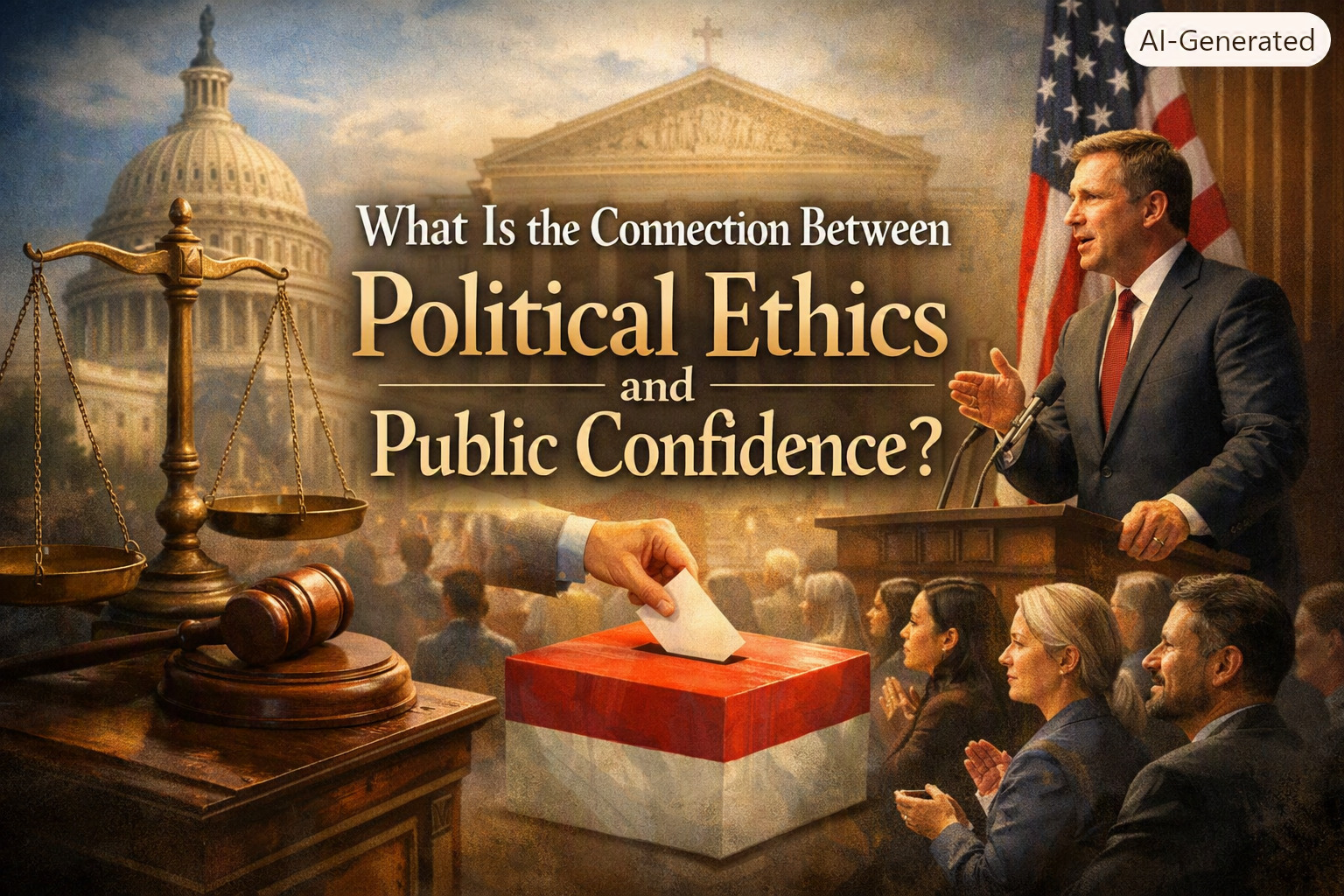
Political ethics and public confidence are closely connected because ethical behavior creates trust between governments and the people they serve. When political leaders demonstrate honesty, transparency, accountability, and fairness, citizens are more likely to believe that public institutions work for the common good. On the other hand, unethical practices such as corruption, abuse of power, and dishonesty can quickly damage public confidence and weaken democratic systems. In today's interconnected world, where information spreads rapidly, maintaining strong political ethics has become more important than ever. This article explores how political ethics influences public confidence and why ethical leadership is essential for a stable and prosperous society.
UNDERSTANDING POLITICAL ETHICS
Political ethics refers to the moral principles and standards that guide the behavior of political leaders, government officials, and public institutions. These principles help ensure that decisions are made in the best interests of society rather than for personal or political gain. Ethical politicians prioritize honesty, fairness, responsibility, and respect for the law in every aspect of governance. They recognize that public office is a position of trust that requires integrity and accountability. By consistently following ethical values, governments can strengthen their legitimacy and maintain the confidence of the people.
Political ethics also establishes clear expectations for how public officials should interact with citizens, colleagues, and institutions. Ethical conduct promotes transparency in decision-making and encourages leaders to take responsibility for their actions. When ethical standards are respected, governments become more effective at serving the public and addressing national challenges. This creates a stronger relationship between citizens and their leaders.
WHY PUBLIC CONFIDENCE MATTERS
Public confidence is the belief that government institutions and political leaders are acting fairly, honestly, and effectively. High levels of public confidence encourage citizens to participate in elections, follow laws, pay taxes, and support public policies. Trust also strengthens cooperation between governments and communities during times of crisis or national development.
Without public confidence, governments often face increased political instability, social unrest, and lower civic participation. Citizens may become skeptical of public policies and question the legitimacy of elected officials. This loss of trust can make it difficult for governments to implement reforms or solve important national issues. Therefore, maintaining public confidence should be a priority for every political leader.
HOW POLITICAL ETHICS BUILDS PUBLIC CONFIDENCE
Ethical leadership creates confidence by demonstrating consistency between words and actions. When political leaders fulfill their promises, communicate honestly, and make decisions transparently, citizens develop greater trust in government institutions. Accountability also reassures the public that leaders are willing to accept responsibility for their decisions.
Fair treatment of all citizens regardless of social status, ethnicity, religion, or political affiliation further strengthens confidence in government. Ethical leaders avoid favoritism and ensure that laws are applied equally. Open communication and access to public information allow citizens to better understand government decisions, reducing suspicion and increasing credibility. Together, these ethical practices create a foundation of lasting public trust.
THE IMPACT OF UNETHICAL POLITICAL BEHAVIOR
Unethical behavior can quickly destroy years of public trust. Corruption, bribery, conflicts of interest, misuse of public funds, and abuse of authority often lead citizens to lose confidence in political institutions. Once trust is damaged, rebuilding it becomes a difficult and lengthy process.
A lack of ethics also discourages investment, weakens democratic institutions, and reduces citizen participation in public affairs. People may become less willing to vote, engage in community programs, or support government initiatives. Internationally, countries with weak political ethics may experience lower credibility and reduced cooperation with global partners. These consequences highlight the importance of maintaining ethical standards at every level of government.
STRATEGIES TO STRENGTHEN POLITICAL ETHICS
Governments can strengthen political ethics by implementing clear codes of conduct for public officials and enforcing them consistently. Independent oversight institutions, transparent financial reporting, and effective anti-corruption agencies help ensure accountability. Regular ethics training also equips public servants with the knowledge needed to make responsible decisions.
Public participation plays an equally important role. Citizens, journalists, civil society organizations, and educational institutions contribute to monitoring government performance and promoting ethical behavior. Encouraging whistleblower protections and ensuring freedom of information further enhance transparency. When both government and society work together, ethical governance becomes more sustainable.
THE FUTURE OF POLITICAL ETHICS AND PUBLIC TRUST
As technology continues to transform politics, maintaining ethical standards will become increasingly important. Social media, digital communication, and artificial intelligence offer new opportunities for transparency while also creating challenges related to misinformation and privacy. Political leaders must adapt ethical principles to these evolving circumstances without compromising integrity.
Future governments that prioritize ethics, accountability, and transparency will be better positioned to earn lasting public confidence. Citizens are increasingly informed and expect higher standards from their leaders. Ethical governance not only strengthens democratic institutions but also supports economic growth, social stability, and sustainable national development. Ultimately, political ethics remains one of the strongest foundations for building public confidence in modern society.
CONCLUSION
The connection between political ethics and public confidence is fundamental to effective governance and healthy democracies. Ethical leadership encourages honesty, accountability, fairness, and transparency, all of which strengthen trust between governments and citizens. In contrast, unethical behavior damages institutional credibility and weakens democratic participation. By promoting strong ethical standards and responsible leadership, governments can build lasting public confidence and create a more stable, just, and prosperous future for everyone.
About the Author
Gusti Ayu Tita P
Author — STEKOM University
An active author focused on academic issues, educational technology, and human resource development in the campus environment.















