What Is the Connection Between the Inner Child and Emotions in Psychology?
Gusti Ayu Tita P
11 September 2026
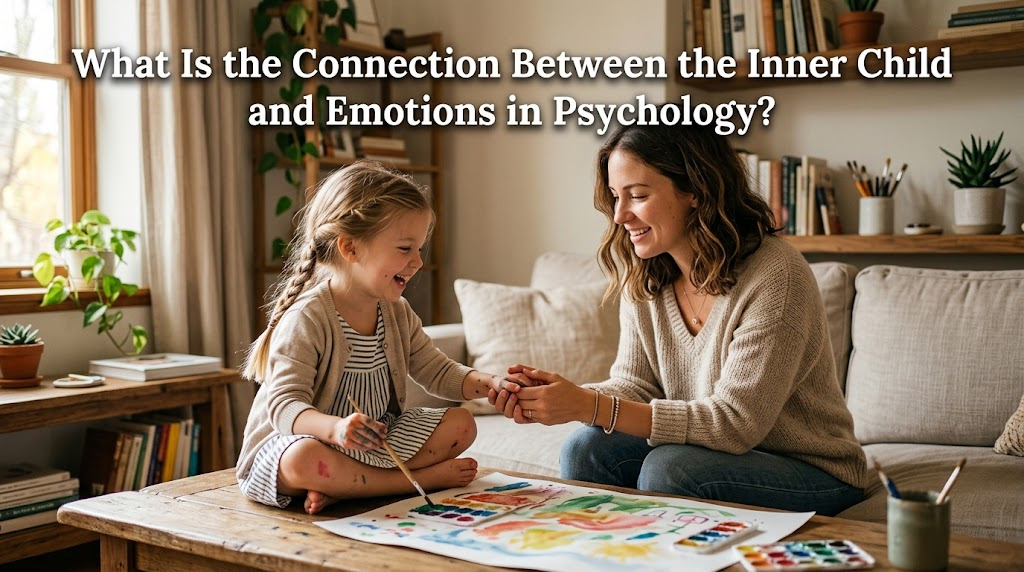
The inner child is a psychological concept commonly used to describe emotional experiences, memories, and needs associated with childhood. In psychology-related discussions, the concept can be used as a way to reflect on how earlier experiences may relate to emotional responses in the present. However, the inner child is not a formal psychological diagnosis and should not be treated as a single explanation for every emotional difficulty.
Emotions are influenced by many factors, including current circumstances, relationships, personality, environment, and previous experiences. Understanding the inner child can provide one perspective for exploring these influences. With emotional awareness and balanced self-reflection, people can become more aware of their feelings without automatically assuming that every emotion is caused by childhood.
THE INNER CHILD AND CHILDHOOD EXPERIENCES
Childhood is an important period for learning about emotions, relationships, communication, and personal boundaries. Experiences during this period may contribute to the development of beliefs and expectations about oneself and other people. Supportive experiences can encourage feelings of safety and confidence, while difficult experiences may sometimes contribute to emotional challenges later in life.
However, people respond to experiences differently. The same situation can affect individuals in different ways depending on their environment, personality, relationships, and later experiences. Understanding the inner child therefore involves considering childhood experiences as one possible influence rather than assuming they determine a person's emotional life.
THE INNER CHILD AND EMOTIONAL RESPONSES
Some emotional reactions may become connected to memories or experiences from earlier periods of life. For example, criticism or rejection in the present may remind someone of previous experiences and lead to a stronger emotional response. This connection may happen consciously or without the person immediately understanding why they feel that way.
Recognizing these reactions can support emotional awareness. A person can pause and identify what they are feeling, what situation triggered the emotion, and what they need at that moment. This does not mean that the reaction must be traced back to childhood. Instead, it encourages a more thoughtful understanding of emotions.
HOW THE INNER CHILD CAN AFFECT SELF PERCEPTION
The inner child concept can also be used to explore how childhood experiences may relate to the way someone views themselves. Repeated encouragement can contribute to positive beliefs about personal abilities, while repeated criticism may sometimes influence negative self-perceptions. These beliefs can change as people gain new experiences and develop new ways of understanding themselves.
When negative beliefs appear repeatedly, self reflection can help a person examine whether those beliefs accurately describe their current situation. Recognizing personal strengths and accepting areas that still need improvement can support a more balanced self-image. The goal is not to blame childhood but to understand how beliefs may have developed and how they can be reconsidered.
HOW TO UNDERSTAND THE CONNECTION BETWEEN THE INNER CHILD AND EMOTIONS
One simple approach is to pay attention to recurring emotional patterns. A person can notice which situations tend to create strong reactions and consider the thoughts and needs connected to those emotions. Writing down these observations can sometimes make patterns easier to recognize. The process should remain gentle and should not involve forcing memories or creating explanations without enough evidence.
It can also be helpful to focus on present circumstances. Ask what is happening now, what emotion is being experienced, and what response would be appropriate. This approach helps connect self awareness with practical action instead of becoming overly focused on the past.
THE INNER CHILD IS NOT THE ONLY CAUSE OF EMOTIONS
It is important to remember that emotions are complex. Current stress, relationships, sleep, environment, personality, social experiences, and many other factors can influence how someone feels. Therefore, an emotional reaction should not automatically be explained by a wounded inner child or a childhood experience.
A balanced approach allows people to explore the inner child concept while maintaining critical thinking. If emotional difficulties become persistent or interfere with everyday activities, talking with a qualified mental health professional can provide appropriate support. Professional guidance can help someone understand their experiences without relying on assumptions or self-diagnosis.
CONCLUSION
The connection between the inner child and emotions can be understood as a way of exploring how childhood experiences may relate to present emotional responses, self-perception, and personal patterns. The concept can encourage people to reflect on their feelings and recognize possible connections between past and present experiences. However, childhood is only one factor among many that can influence emotional well-being.
Understanding the inner child is most useful when combined with emotional awareness, self-reflection, and critical thinking. Instead of assuming that every emotion comes from childhood, people can consider their current circumstances and other influences as well. This balanced perspective can support greater self-understanding and healthier emotional responses.
About the Author
Gusti Ayu Tita P
Author — STEKOM University
An active author focused on academic issues, educational technology, and human resource development in the campus environment.