What Is The Connection Between Travel Planning And Professional Skills?
Gusti Ayu Tita P
17 September 2026
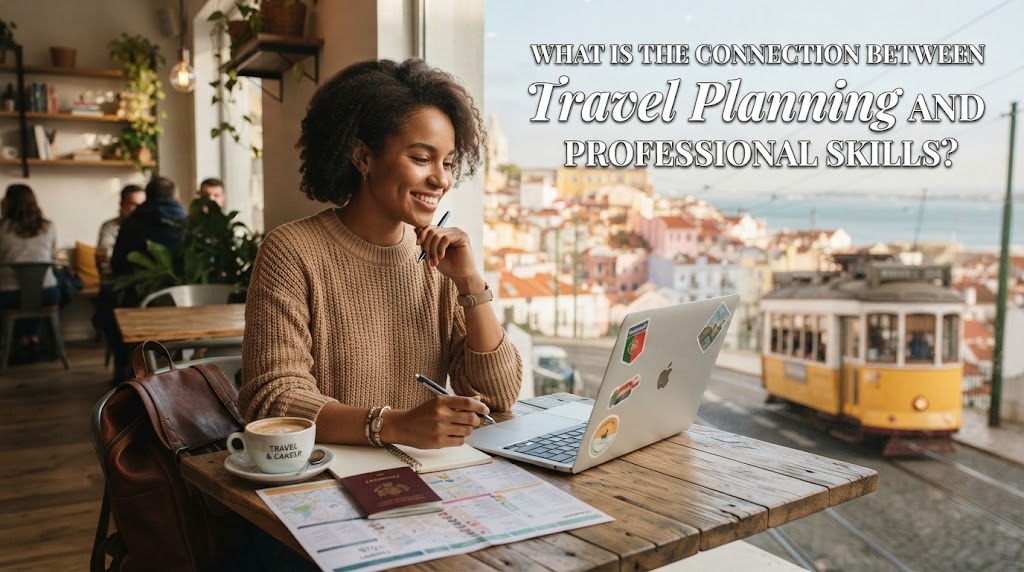
Travel planning is not only useful for preparing a comfortable journey but can also help develop various skills needed in professional life. Creating a trip itinerary requires travelers to organize information, manage time, make decisions, and prepare for possible changes. These activities are similar to tasks commonly found in academic and workplace environments. By planning a trip carefully, a person can practice practical skills in a simple and realistic situation. Therefore, travel planning can become an effective way to develop professional skills through everyday activities.
TRAVEL PLANNING AND ORGANIZATIONAL SKILLS
Travel planning requires a person to arrange different types of information in an organized way. Important details may include destinations, transportation, accommodation, activities, schedules, and estimated expenses. Putting these details into a Trip Itinerary makes the travel plan easier to understand and follow. This process trains people to arrange information based on priority and sequence. Good organization can also help reduce confusion when several activities need to be completed during a journey.
Organizational skills are useful in many professional situations because employees often manage documents, schedules, tasks, and information at the same time. Through travel planning, people learn to separate important details from less important ones. They also become familiar with creating a clear structure before starting an activity. This habit can support better performance when handling work responsibilities. As a result, Travel Planning can provide practical experience in organizing information efficiently.
TIME MANAGEMENT THROUGH TRAVEL ITINERARY
A trip itinerary usually contains specific times for transportation, visits, meals, rest, and other activities. Creating this schedule encourages travelers to think carefully about how much time each activity may require. They also need to consider travel duration and possible delays between destinations. This process develops Time Management because people learn to use available time more effectively. A well-planned schedule can help travelers avoid spending too much time on one activity.
Time management is an important professional skill because workplace tasks often have deadlines and different levels of priority. Employees need to decide when a task should begin, how long it may take, and when it should be completed. A travel itinerary provides a simple example of this process. By practicing schedule planning during a trip, people can become more aware of the value of time. This awareness can later support better habits in academic and professional activities.
DECISION MAKING IN TRIP PLANNING
Creating a travel plan involves making several decisions before and during a journey. Travelers may need to choose destinations, transportation methods, accommodation, activities, and alternative plans. Each choice can depend on factors such as budget, time, distance, and personal preferences. This situation encourages people to compare different options before making a final decision. Therefore, itinerary planning can strengthen Decision Making skills in a practical context.
Decision making is also needed when unexpected situations occur during a trip. A transportation delay, schedule change, or unavailable destination may require travelers to adjust their plans. Instead of following the original itinerary without changes, they need to consider another suitable option. This teaches flexibility and encourages people to make decisions based on available information. These habits can be useful when handling changing situations in professional environments.
PROBLEM SOLVING THROUGH TRAVEL PREPARATION
Travel preparation can involve various problems that need to be solved before they affect the journey. For example, travelers may have to find another transportation option when the original schedule is unavailable. They may also need to change destinations when the distance is too far or the available time is limited. Identifying these possibilities before traveling encourages people to prepare alternative solutions. This process helps develop Problem Solving skills through realistic situations.
Problem solving is valuable in the workplace because employees may face unexpected challenges while completing their responsibilities. A person who regularly practices finding solutions can become more prepared to handle changes. Trip planning provides an opportunity to identify possible risks and prepare backup options. This can make travelers more confident when dealing with unexpected situations. The experience can also encourage a more systematic approach to solving problems.
COMMUNICATION AND TEAMWORK IN TRAVEL PLANNING
Travel planning becomes more complex when several people travel together. Each person may have different preferences, schedules, budgets, or activity choices. Creating an itinerary requires communication so that everyone understands the agreed plan. Discussions about destinations, activities, transportation, and schedules can develop Communication Skills and encourage teamwork. The group also needs to respect different opinions before making decisions.
Teamwork is an important professional skill because many workplace activities require cooperation between employees. Group travel can provide a simple environment for practicing responsibility and coordination. Each person can contribute information, complete assigned preparations, or help manage the schedule. When everyone works together, the travel plan can become more organized and easier to follow. These experiences can strengthen Teamwork Skills that are useful in professional situations.
CONCLUSION
Travel planning has a strong connection with professional skills because it involves many activities that are also required in academic and workplace environments. Creating a Trip Itinerary can develop Organizational Skills, Time Management, Decision Making, Problem Solving, Communication, and Teamwork. These skills can be practiced through simple activities such as arranging schedules, comparing options, and preparing alternative plans. A well-organized travel plan therefore provides more than convenience during a journey. It can also become a practical way to build useful skills for future professional activities
About the Author
Gusti Ayu Tita P
Author — STEKOM University
An active author focused on academic issues, educational technology, and human resource development in the campus environment.