
What Is the Difference Between a Death Certificate and a Death Notification?
Gusti Ayu Tita P
14 September 2026
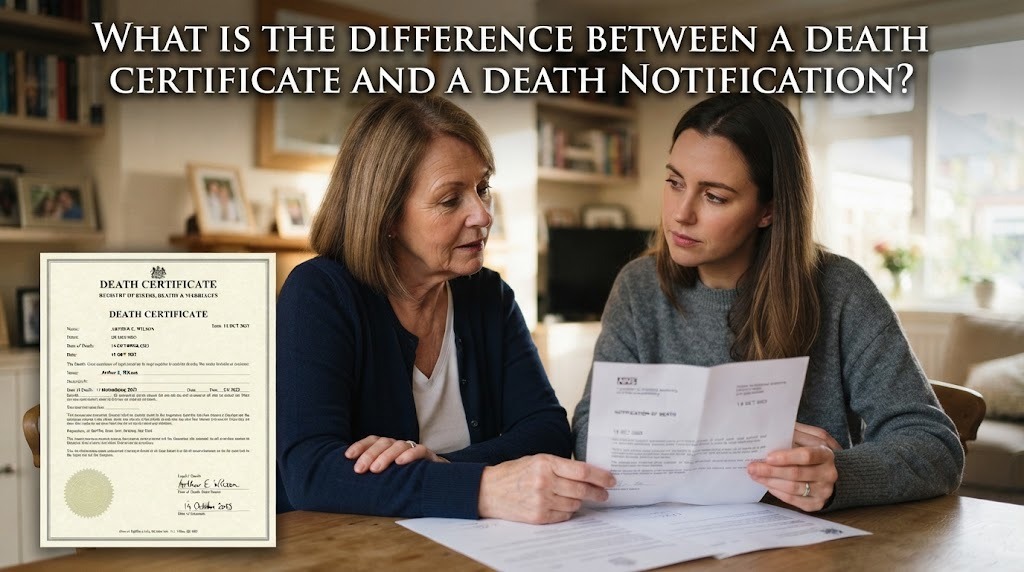
A death certificate and a death notification are both related to the death of a person, but they have different functions. A death notification is generally used to report or confirm that someone has died, while a death certificate is an official document issued after the death has been registered. Understanding the difference can help families prepare the correct documents when handling administrative matters. The exact procedures and document names may vary depending on the country or local authority.
WHAT IS A DEATH NOTIFICATION?
A death notification is a document or statement used to inform the relevant authorities that a person has died. It may be issued or completed by a hospital, doctor, village authority, or another authorized party, depending on the circumstances. The document usually contains basic information about the deceased and details about the death. It can then be used as supporting evidence when the family begins the official death registration process.
WHAT IS A DEATH CERTIFICATE?
A death certificate is an official document that records a person's death after it has been registered with the appropriate authority. It generally contains important information such as the person's name, identity details, date of death, and place of death. The certificate serves as an official record and may be needed for various administrative purposes. For example, families may need it when handling inheritance, insurance, banking, or population records.
KEY DIFFERENCES BETWEEN THE TWO
The main difference is their purpose and stage in the registration process. A death notification is primarily used to report or confirm a death, while a death certificate serves as the official registered record of that death. A notification may therefore be one of the documents needed to obtain or register a death certificate. Because the requirements can differ between regions, families should check the procedures of the relevant civil registration authority.
WHY ARE BOTH DOCUMENTS IMPORTANT?
Both documents can play an important role in completing death-related administrative procedures. The death notification helps authorities receive information about the death, while the death certificate provides formal proof that the death has been officially recorded. Families may need to keep these documents because different institutions can request different types of evidence. Having the documents organized can make later administrative processes easier and more efficient.
WHAT SHOULD FAMILIES DO AFTER A DEATH?
After a family member passes away, the family should first obtain the appropriate death notification or death statement from the authorized party. The next step is to report the death and complete the registration process according to local regulations. Once the death certificate has been issued, the family should check all personal information carefully to make sure there are no errors. The document should then be stored safely because it may be needed for future administrative matters.
CONCLUSION
A death notification and a death certificate are different documents with different purposes. A notification generally helps report or confirm a death, while a death certificate officially records the death after registration. Understanding this distinction can help families complete population administration and other legal or financial procedures more smoothly. Since requirements may vary by location, families should always follow the instructions of the relevant authority.
About the Author
Gusti Ayu Tita P
Author — STEKOM University
An active author focused on academic issues, educational technology, and human resource development in the campus environment.















