
What Is the Difference Between Legal and Illegal Parking?
Gusti Ayu Tita P
29 Agustus 2026
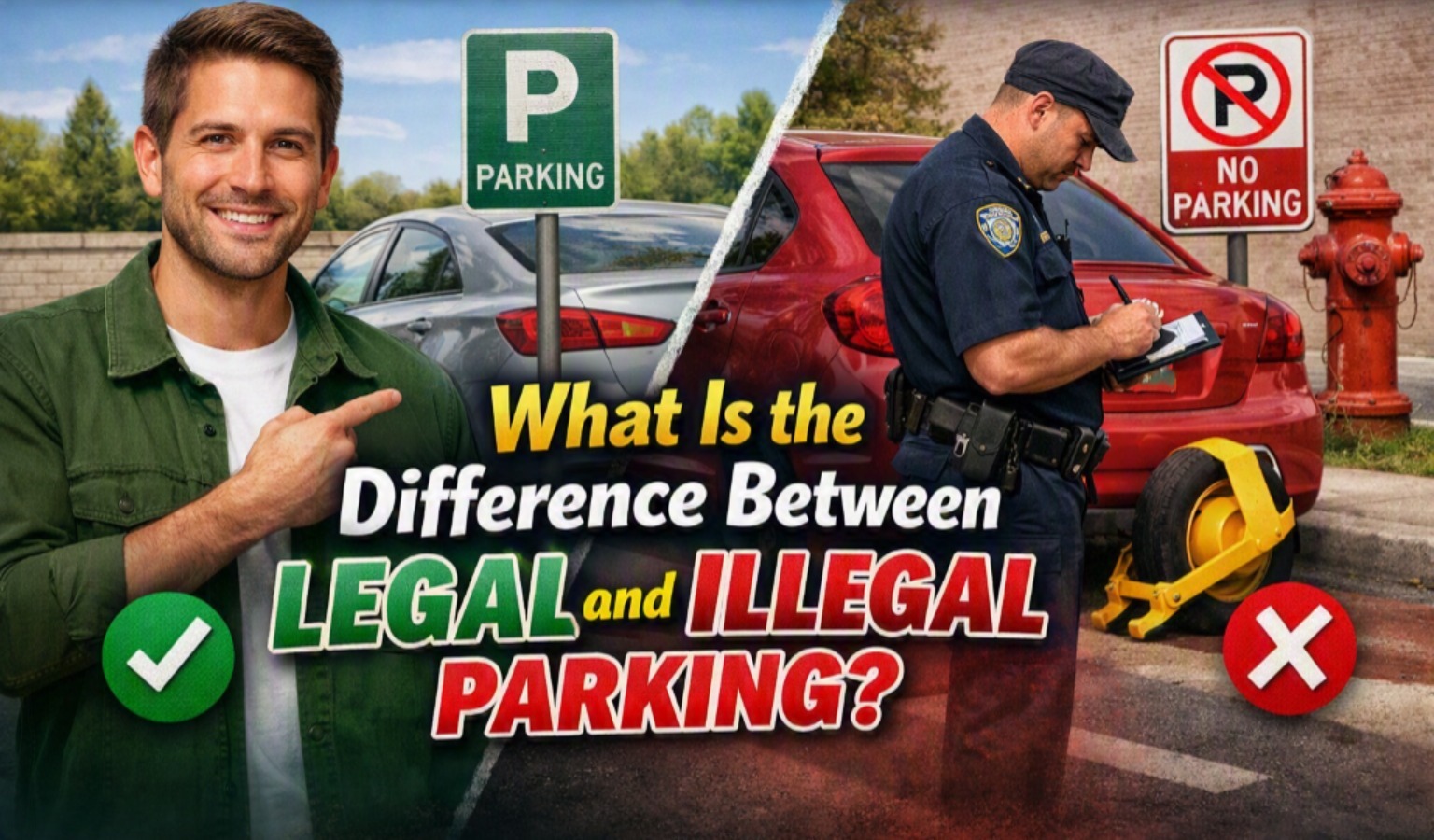
Parking is a common part of daily transportation, but not every parking space or parking behavior is legal. Legal parking follows traffic regulations, road signs, and local requirements, while illegal parking violates rules and can create problems for other road users. Understanding the difference can help drivers avoid fines and contribute to safer and more orderly roads.
The rules can vary between cities and countries, but the basic principle remains similar. Drivers should park only where parking is permitted, follow posted signs, and make sure their vehicles do not obstruct traffic, pedestrians, emergency access, or other important public facilities.
WHAT IS LEGAL PARKING?
Legal parking refers to parking a vehicle in a location and manner that complies with applicable traffic laws and local regulations. Drivers must pay attention to parking signs, road markings, time restrictions, and designated parking areas before leaving their vehicles. Some legal parking spaces may require payment, while others may be available without a fee depending on the location. A vehicle should also be positioned correctly so that it does not interfere with moving traffic or pedestrians.
Legal parking can be found in designated parking lots, authorized roadside spaces, and other areas specifically permitted by local authorities. Drivers should always check whether restrictions apply during certain hours or on particular days. Following these rules helps maintain road safety and keeps public spaces organized. It also reduces the risk of receiving parking penalties or having the vehicle towed.
WHAT IS ILLEGAL PARKING?
Illegal parking occurs when a vehicle is parked in a place or manner that violates applicable parking or traffic regulations. Common examples include parking where a no-parking sign is displayed, blocking a driveway, stopping on a sidewalk, or occupying a space reserved for certain users without authorization. Parking in front of fire hydrants or emergency access areas can also be prohibited because it may delay emergency services. The exact restrictions depend on local laws and road conditions.
Illegal parking can cause more than a financial penalty. It may obstruct traffic, reduce visibility, endanger pedestrians, and interfere with emergency vehicles. In busy areas, improperly parked vehicles can contribute to congestion and make roads less safe. Authorities may issue fines, immobilize vehicles, or arrange towing when parking violations occur.
KEY DIFFERENCES BETWEEN LEGAL AND ILLEGAL PARKING
The main difference is compliance with parking regulations. Legal parking follows signs, markings, designated spaces, and applicable time or payment requirements, while illegal parking ignores or violates those conditions. Legal parking is generally intended to keep vehicles safely out of the way of traffic and pedestrians. Illegal parking can create an obstruction or safety risk for other people.
Another important difference is the potential consequence for the driver. A driver who parks legally generally avoids enforcement action as long as all relevant requirements are followed. A driver who parks illegally may receive a parking ticket, fine, warning, towing order, or other penalty depending on the violation and local rules. Therefore, checking the parking conditions before leaving a vehicle is an important responsibility for every driver.
COMMON EXAMPLES OF ILLEGAL PARKING
Several parking behaviors are commonly restricted because they can interfere with public safety. Parking on sidewalks can force pedestrians to move into the roadway, while blocking intersections can reduce visibility for drivers. Parking in front of entrances, driveways, or emergency access points can also prevent people or emergency vehicles from entering or leaving an area. Drivers should also avoid spaces specifically reserved for authorized vehicles or people with certain permits unless they meet the requirements.
Other violations may involve parking against traffic rules, exceeding permitted parking times, or ignoring temporary restrictions. For example, a road may allow parking during certain hours but prohibit it during peak traffic periods. Temporary signs may also restrict parking because of construction, public events, road maintenance, or emergencies. Because regulations differ by location, drivers should rely on official signs and local rules rather than assumptions.
WHY FOLLOWING PARKING RULES MATTERS?
Following parking regulations helps create safer and more efficient streets. When vehicles are parked properly, pedestrians have clearer paths and moving traffic has enough space to operate safely. Proper parking can also make it easier for buses, delivery vehicles, emergency services, and other road users to access important areas. This is especially important in crowded urban environments.
Responsible parking also helps drivers avoid unnecessary costs and conflicts. Fines and towing fees can be expensive, while repeated violations may lead to additional enforcement consequences under local regulations. More importantly, responsible parking reflects consideration for other members of the community. By checking signs and using authorized spaces, drivers can play a simple but meaningful role in maintaining orderly public roads.
CONCLUSION
Drivers can reduce the risk of parking violations by checking signs and road markings before parking. They should confirm whether parking is permitted, whether a fee is required, and whether there are time limits or special restrictions. Drivers should also make sure their vehicle does not block sidewalks, entrances, intersections, emergency access, or other restricted areas. When in doubt, using a clearly designated parking facility is usually the safer choice.
It is also important to understand that parking rules can change depending on the location and situation. Temporary restrictions may be introduced for events, construction, road repairs, or emergency situations. Drivers should therefore pay attention to temporary signs and follow instructions from authorized officials. Taking a few moments to check the rules can prevent penalties and help keep roads safer for everyone.
Understanding the difference between legal and illegal parking is an important part of responsible driving. Legal parking follows applicable regulations and avoids creating unnecessary risks or obstructions. Illegal parking can disrupt traffic, affect pedestrians, and result in enforcement action. By respecting parking signs, markings, designated spaces, and local regulations, drivers can help create safer and more organized public spaces.
About the Author
Gusti Ayu Tita P
Author — STEKOM University
An active author focused on academic issues, educational technology, and human resource development in the campus environment.















