What Is the Difference Between Public and Private Gas Stations?
Gusti Ayu Tita P
17 September 2026
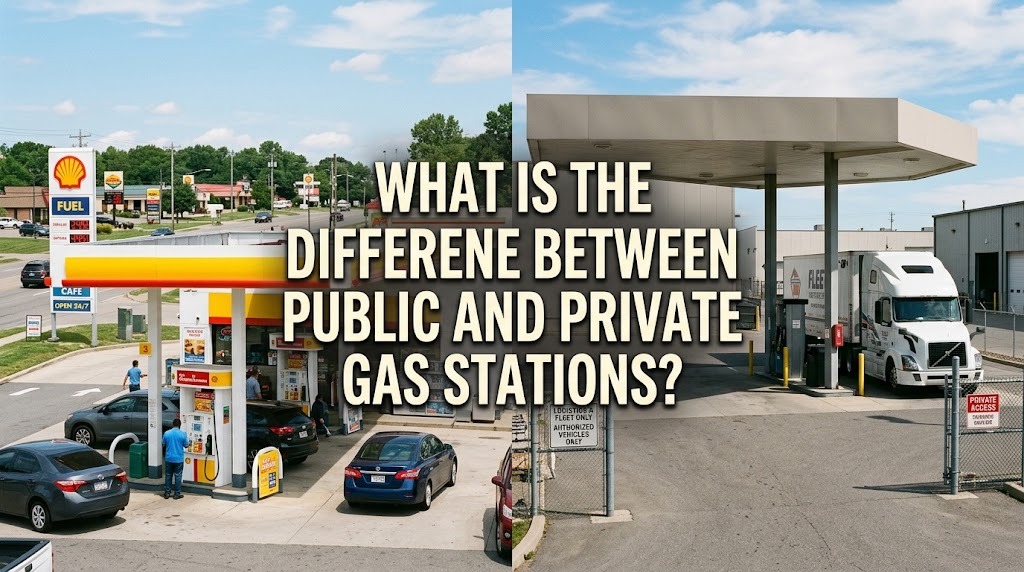
Gas stations play an important role in supporting daily transportation by providing fuel for vehicles. Although many gas stations offer similar basic services, they can differ in ownership, operation, fuel brands, pricing, and additional facilities. Public gas stations are generally designed to serve a wide range of customers, while private gas stations are operated by private companies or businesses. Understanding these differences can help drivers make more informed choices when refueling. It can also make it easier to compare services, fuel options, and convenience.
WHAT IS A PUBLIC GAS STATION?
A public gas station is a fuel station that is generally open to the public and serves customers from different backgrounds. It may be operated by a government-owned company, a private company, or an authorized operator, depending on the country and business structure. The main purpose is to provide fuel services to motorists who need gasoline, diesel, or other available energy products. Public gas stations are usually located in areas with significant transportation activity, such as cities, highways, and commercial districts. Their services are intended for general customers rather than a specific organization or restricted group.
The term public refers mainly to accessibility, not necessarily to government ownership. A station can be privately owned while still being open to the general public. Customers can normally enter the station, select an available fuel product, pay for it, and continue their journey. Some public stations also provide additional facilities such as convenience stores, restrooms, air pumps, vehicle washing, or basic maintenance services. These features can make public gas stations useful stops during both short trips and long journeys.
WHAT IS A PRIVATE GAS STATION?
A private gas station is a fuel facility owned or operated by a private company, organization, or individual business. Depending on its purpose, it may serve the general public or be designed primarily for a specific company, fleet, industrial operation, or other organization. Some private fuel facilities are located within company properties, transportation depots, mining areas, agricultural operations, or industrial sites. Access can therefore be restricted to authorized vehicles or personnel. The rules for using the facility depend on the owner and its operational requirements.
Private gas stations can provide advantages for organizations that operate many vehicles because fuel distribution can be managed according to their own needs. A company may use a private facility to monitor fuel consumption, vehicle usage, and operational costs more closely. However, a private facility may not provide the same range of public services found at commercial gas stations. It may also have specific operating hours, payment procedures, or access requirements. Therefore, drivers should not assume that every private fuel facility is available for general public use.
KEY DIFFERENCES BETWEEN PUBLIC AND PRIVATE GAS STATIONS
One major difference is access. Public gas stations are normally available to anyone who meets the station's general operating requirements, while private facilities can limit access to certain vehicles or users. Another difference is ownership and operational purpose. Public commercial stations primarily focus on serving customers and selling fuel, whereas private facilities may exist mainly to support the transportation activities of a particular organization.
The payment system can also differ between the two types. Public stations commonly accept cash, cards, mobile payments, or other customer payment methods. Private facilities may instead use company accounts, fuel cards, identification systems, or internal billing procedures. The available fuel products and facilities can also vary depending on the operator. For these reasons, drivers should check access rules, payment options, and available services before using a station.
HOW CAN DRIVERS CHOOSE BETWEEN THEM?
For most individual drivers, a public gas station is the practical option because it is generally accessible and designed for everyday customers. Drivers can compare fuel products, prices, operating hours, payment methods, and additional services before deciding where to refuel. Location is another important consideration, especially when traveling long distances or driving in unfamiliar areas. A station that is easy to access and has suitable facilities can make a journey more convenient. Drivers should also make sure that the fuel type matches their vehicle manufacturer's requirements.
Private fuel facilities can be appropriate when a driver is authorized to use them, particularly when operating a company vehicle or fleet vehicle. Before entering a private facility, drivers should follow its access rules and safety procedures. It is also important to understand how payment or fuel authorization works. When a private facility is not open to the public, drivers should use an appropriate public station instead. Choosing the correct facility can help prevent access problems and make refueling safer and more efficient.
SAFETY AND SERVICE CONSIDERATIONS
Regardless of ownership, safety should remain a priority at every gas station. Drivers should follow posted instructions, turn off the engine before refueling, avoid smoking, and keep sources of ignition away from fuel areas. Mobile devices and other activities should be handled according to the station's safety rules. Drivers should also pay attention to fuel labels to prevent filling a vehicle with the wrong type of fuel. These simple practices can reduce the risk of accidents and costly mistakes.
Service quality can also influence the refueling experience. Drivers may consider factors such as cleanliness, equipment condition, staff assistance, payment convenience, and available facilities. Public stations may offer more customer-oriented services, while private facilities may focus more on operational efficiency. However, the actual quality of service depends on the individual station rather than simply whether it is public or private. Checking the station's rules and facilities can therefore be more useful than relying only on its ownership category.
CONCLUSION
Public and private gas stations mainly differ in access, ownership, operational purpose, payment systems, and services. Public gas stations are generally available to a broad range of customers, while private facilities may be limited to authorized users or specific organizations. Both types can support transportation needs, but their facilities and operating procedures can vary significantly. Drivers should consider accessibility, fuel compatibility, payment methods, safety rules, and service availability when choosing where to refuel. Understanding these differences can help motorists refuel safely, efficiently, and conveniently.
About the Author
Gusti Ayu Tita P
Author — STEKOM University
An active author focused on academic issues, educational technology, and human resource development in the campus environment.