
What Is the Difference Between Toxic Positivity and Healthy Positivity?
Gusti Ayu Tita P
11 September 2026
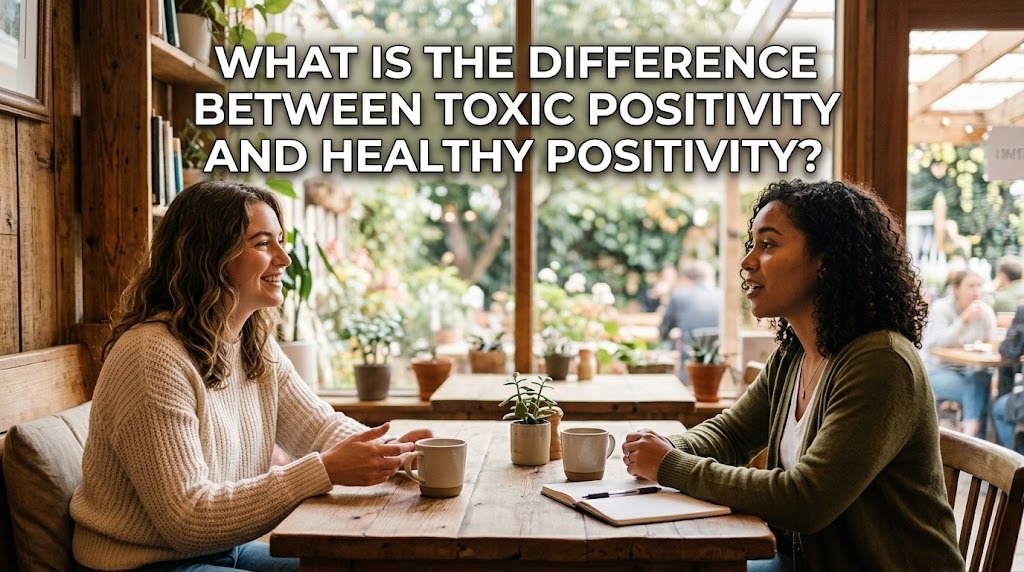
Positive thinking can help people stay hopeful and motivated when facing challenges. However, positivity can become unhealthy when it is used to ignore or dismiss difficult emotions. This is where the difference between toxic positivity and healthy positivity becomes important. Understanding the distinction can help people manage emotions and support others in a more empathetic way.
WHAT IS TOXIC POSITIVITY?
Toxic positivity is the excessive pressure to remain positive regardless of the situation. It can happen when someone is encouraged to hide sadness, anger, disappointment, or fear instead of expressing those emotions. Although the intention may be to provide encouragement, the response can make a person feel that their emotions are unacceptable.
Toxic positivity can also happen internally. A person may repeatedly tell themselves to stop feeling sad or complain less because they believe they must always be grateful and optimistic. Over time, this habit can prevent them from properly processing difficult experiences.
WHAT IS HEALTHY POSITIVITY?
Healthy positivity means maintaining hope while still acknowledging difficult emotions and real-life problems. It does not require someone to pretend that everything is fine. Instead, it encourages people to accept their current feelings while looking for constructive ways to move forward.
For example, someone who fails an important test can acknowledge their disappointment and frustration before thinking about what they can improve. This approach allows negative emotions to be recognized without allowing them to completely control the person's next steps. Healthy positivity therefore combines emotional acceptance with realistic optimism.
KEY DIFFERENCES BETWEEN TOXIC AND HEALTHY POSITIVITY
The main difference lies in how each approach treats negative emotions. Toxic positivity tends to reject difficult feelings and encourages people to quickly replace them with positive thoughts. Healthy positivity allows those emotions to exist and recognizes that sadness, fear, frustration, and disappointment are normal parts of life.
Another difference is the way problems are handled. Toxic positivity may encourage someone to avoid discussing a problem because it is considered too negative. Healthy positivity allows people to discuss their difficulties, understand what happened, and then search for possible solutions.
EXAMPLES OF TOXIC POSITIVITY
Toxic positivity can appear in simple everyday statements. Saying “Just be happy,” “Everything happens for a reason,” or “Think positive” may sound supportive, but these phrases can sometimes dismiss someone's actual experience. The person may feel that there is no room to talk about their pain or frustration.
Another example is telling someone who has experienced failure that they should immediately focus on the positive side. While learning from an experience can be helpful, people may first need time to acknowledge their disappointment. Giving them that emotional space can be more supportive than forcing optimism.
EXAMPLES OF HEALTHY POSITIVITY
Healthy positivity recognizes the difficulty of a situation while offering realistic encouragement. For example, instead of saying “Don't worry, everything will be fine,” someone could say, “I understand that this is difficult, but you can take it one step at a time.” This response acknowledges the problem without removing hope.
Another example is supporting someone after a failure by saying, “It is understandable that you are disappointed. When you are ready, we can think about what you can do next.” This approach gives the person permission to experience their emotions while reminding them that the situation can still improve.
WHY IS EMOTIONAL VALIDATION IMPORTANT?
Emotional validation means recognizing that someone's feelings are understandable without necessarily agreeing with every action they take. It helps people feel heard and accepted when they are experiencing difficult emotions. Validation can also create a safer environment for honest communication.
Without emotional validation, people may begin to hide their feelings because they fear being judged as negative or weak. Healthy positivity works differently by allowing emotional expression before encouraging hope or solutions. This makes emotional support more genuine and balanced.
HOW TO PRACTICE HEALTHY POSITIVITY
One way to practice healthy positivity is to accept difficult emotions instead of immediately trying to eliminate them. It is normal to have bad days, experience disappointment, or feel worried about the future. Accepting these emotions does not mean giving up; it means recognizing reality before deciding how to respond.
Another important step is using empathetic language when supporting others. Listen before giving advice, acknowledge what the person is experiencing, and avoid comparing their problems with someone else's. After their feelings have been recognized, encouragement and practical solutions can become much more meaningful.
CONCLUSION
The difference between toxic positivity and healthy positivity lies in how people respond to difficult emotions. Toxic positivity dismisses or suppresses negative feelings, while healthy positivity acknowledges those feelings and still encourages hope and constructive action. Being positive does not mean pretending that every situation is good. True healthy positivity allows people to accept reality, process their emotions, and gradually find a way forward.
About the Author
Gusti Ayu Tita P
Author — STEKOM University
An active author focused on academic issues, educational technology, and human resource development in the campus environment.















