
What Is the Function of Safety Footwear in Workplace Safety?
Gusti Ayu Tita P
29 September 2026
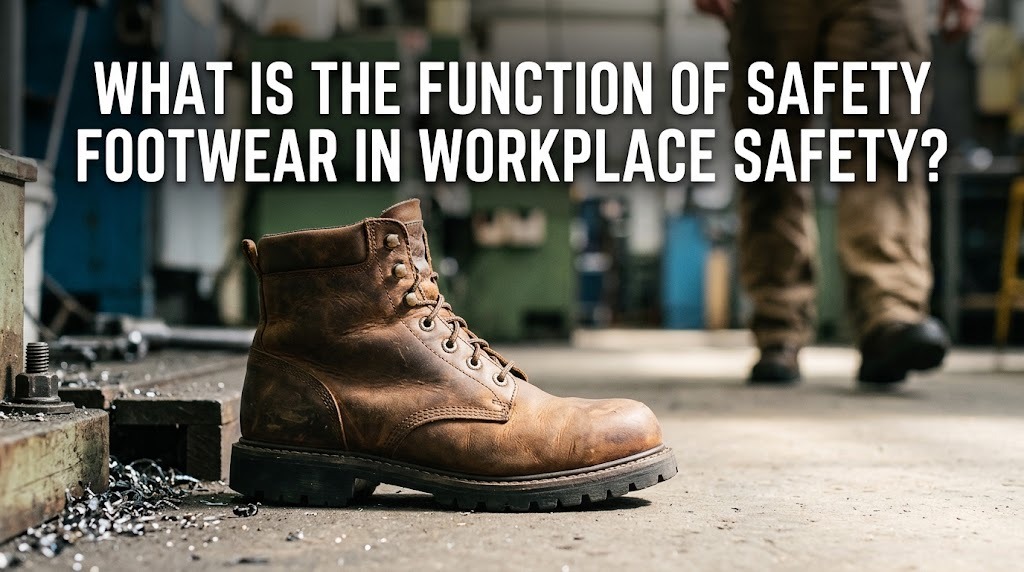
Safety footwear is an important type of Personal Protective Equipment or PPE designed to protect workers from hazards that can affect the feet. Different workplaces can expose workers to risks such as falling objects, sharp materials, slippery surfaces, chemicals, heat, or electrical hazards. The right footwear can provide a protective barrier and help workers perform their tasks more safely. However, safety footwear must be selected according to the hazards present in a particular workplace. Proper use, inspection, and maintenance are also necessary to keep the footwear effective.
WHY IS SAFETY FOOTWEAR IMPORTANT?
Workers often move through areas where objects, tools, equipment, or materials can create risks to their feet. Safety footwear can help reduce the potential for injuries caused by certain workplace hazards. Depending on its design, footwear may provide protection against impacts, punctures, slipping, or other specific risks. It can also provide additional support and protection during activities that require workers to stand or move for long periods. The level of protection depends on the type and specifications of the footwear.
Safety footwear is particularly important in workplaces such as construction sites, factories, warehouses, workshops, and certain industrial environments. Workers in these areas may encounter heavy materials, machinery, uneven surfaces, or objects that could injure their feet. Wearing suitable footwear can form one layer of protection within a broader workplace safety system. It does not eliminate hazards, so workers must still follow safe work procedures. Combining footwear with other appropriate controls can provide more comprehensive protection.
WHAT HAZARDS CAN SAFETY FOOTWEAR PROTECT AGAINST?
Different safety footwear is designed to address different workplace hazards. Protective toe footwear can help protect the toes from certain impacts and compression hazards. Some footwear is designed with features that help reduce the risk of puncture injuries from sharp objects, while slip-resistant soles can help improve traction on suitable surfaces. Other specialized footwear may provide protection against particular environmental or electrical hazards. Workers should never assume that every safety shoe provides the same level of protection.
The appropriate features depend on the tasks being performed and the hazards identified in the workplace. For example, a warehouse worker may need protection against falling materials, while a worker exposed to wet or slippery surfaces may require suitable slip-resistant footwear. Chemical-resistant footwear may be necessary in certain environments where chemical exposure is possible. Employers should assess workplace risks before deciding which footwear is appropriate. This helps ensure that the selected footwear matches the actual conditions of the job.
HOW SHOULD WORKERS CHOOSE SAFETY FOOTWEAR?
Choosing safety footwear starts with identifying the specific workplace hazards that workers may encounter. Workers should consider factors such as impact, compression, puncture, slipping, chemicals, temperature, and other relevant risks. The footwear should provide the protective features required for the particular task. It should also fit properly and allow workers to move safely and comfortably. Manufacturer information should be reviewed to understand the footwear's intended use and limitations.
Workers should also consider compatibility with other PPE and workplace requirements. Footwear that does not fit correctly may cause discomfort or affect movement, which can create additional problems during work. A suitable fit and appropriate protective features are both important when selecting safety footwear. Workers should follow employer requirements and applicable safety standards when choosing protective footwear. The correct selection helps ensure that the equipment provides the protection it was designed to offer.
HOW CAN WORKERS MAINTAIN SAFETY FOOTWEAR?
Regular maintenance helps keep safety footwear in suitable condition. Workers should inspect their footwear for cracks, holes, damaged soles, worn surfaces, or other signs of deterioration before use. They should clean the footwear according to the manufacturer's recommendations and keep it stored in an appropriate location. Materials or substances that could damage the footwear should be removed safely. Proper care can help preserve its protective properties and usability.
Workers should pay particular attention to damage that could affect the protective features of the footwear. A damaged sole, deteriorated protective component, or significant loss of traction may reduce its effectiveness. Damaged footwear should not be relied upon for protection when its condition no longer meets workplace requirements. Employers should provide appropriate procedures for inspection, replacement, and disposal. Regular checks can help workers identify problems before the footwear is needed in a hazardous situation.
WHEN SHOULD SAFETY FOOTWEAR BE REPLACED?
Safety footwear should be replaced when it is damaged, excessively worn, or no longer provides the protection required for the job. There is no single replacement period that applies to every type of safety footwear because service life depends on factors such as frequency of use, working conditions, materials, and maintenance. Workers should inspect their footwear regularly rather than relying only on its age. Manufacturer recommendations and workplace procedures should also be considered. Any visible damage affecting protective performance should be addressed promptly.
Workers should report concerns about their footwear to the appropriate supervisor or safety personnel. Replacement may also be necessary when the footwear no longer fits properly or when workplace hazards change and require different protection. Using worn or unsuitable safety footwear can reduce the intended level of protection. Employers should ensure that workers have access to appropriate replacement equipment when necessary. This supports consistent PPE use and helps maintain workplace safety.
CONCLUSION
Safety footwear helps protect workers from specific hazards that can affect their feet, including impacts, punctures, slips, and other workplace risks. Its effectiveness depends on selecting footwear that matches the hazards of the job and using it correctly. Workers should regularly inspect, clean, maintain, and properly store their footwear. Damaged or unsuitable footwear should be replaced according to workplace procedures and manufacturer guidance. When combined with other safety controls and appropriate PPE, safety footwear can provide an important layer of protection in the workplace.
About the Author
Gusti Ayu Tita P
Author — STEKOM University
An active author focused on academic issues, educational technology, and human resource development in the campus environment.



