
What Is The Impact Of Study Tours On Student Learning Motivation?
Gusti Ayu Tita P
17 September 2026
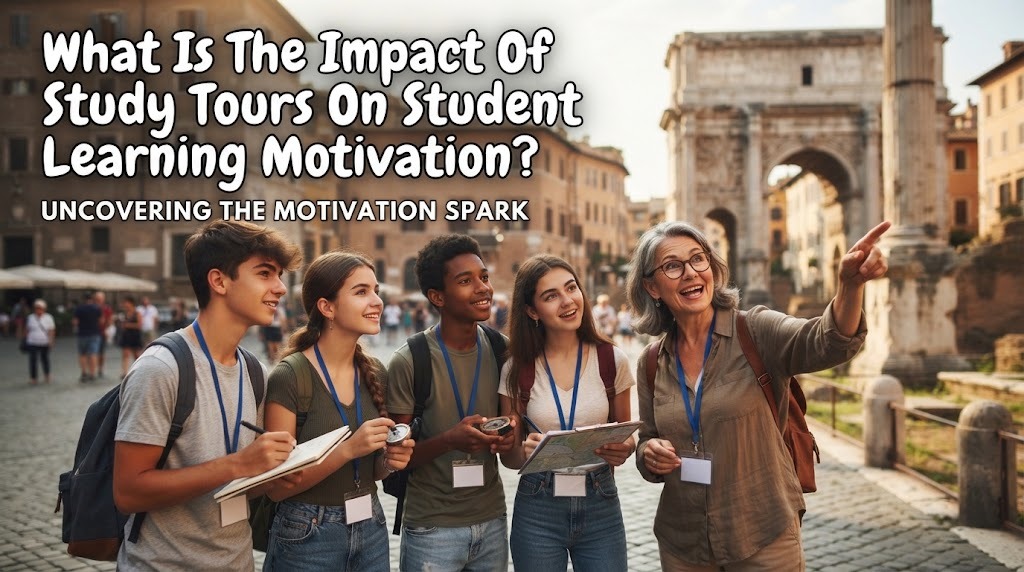
Study tours can give students a different learning experience by taking them outside the usual classroom environment. Instead of only reading books or listening to explanations, students can see and experience educational materials directly. This change in learning environment may increase student learning motivation because lessons can feel more interesting and relevant. Students may become more willing to participate when they can connect school subjects with real situations.
The impact of a study tour depends on how well the activity is planned and connected to learning objectives. A trip that includes meaningful activities, clear guidance, and opportunities for participation can support student engagement. However, simply visiting a new place does not automatically increase motivation. Students need opportunities to observe, ask questions, participate, and reflect on what they experience.
CREATING A DIFFERENT LEARNING EXPERIENCE
A study tour provides students with a learning environment that is different from their normal classroom. Students may visit museums, companies, historical locations, laboratories, cultural centers, or other educational destinations. This change can make lessons feel fresh and engaging. Experiencing something directly can also help students understand why a particular topic is important.
A different environment can encourage students to become more curious. They may notice things that are difficult to explain through classroom materials alone. For example, students studying business can observe how a company operates, while history students can examine historical objects directly. These experiences can make learning more meaningful and encourage students to pay greater attention.
CONNECTING LESSONS WITH REAL LIFE
One important benefit of study tours is the opportunity to connect classroom knowledge with real-world situations. Students can see how theories and concepts are applied outside school. This connection can help them understand the practical value of what they are learning. When students recognize the usefulness of a subject, they may become more interested in learning it.
For example, students studying marketing can observe how businesses promote products to customers. Students learning science may visit a laboratory or environmental site to see scientific concepts in practice. These experiences can answer the question of why certain subjects are taught at school. As a result, study tours may support greater interest in academic subjects.
ENCOURAGING ACTIVE PARTICIPATION
Students are more likely to stay engaged when they actively participate in learning activities. During a study tour, they can complete observation tasks, answer questions, interview guides, join workshops, or work on group assignments. These activities require students to take an active role rather than simply receive information. Active participation can make the learning process more enjoyable.
Teachers can prepare tasks that encourage students to explore their surroundings. For example, students can search for specific information during a museum visit and discuss their findings afterward. They can also create presentations based on their observations. Such activities can strengthen student engagement and motivation.
INCREASING CURIOSITY
Study tours can introduce students to unfamiliar places, people, objects, and experiences. New discoveries may encourage students to ask questions and seek additional information. Curiosity can become a useful starting point for deeper learning. Students may continue exploring a topic even after the study tour has ended.
Teachers can support this curiosity by encouraging students to prepare questions before the trip. After returning to school, students can research topics that attracted their attention during the visit. This creates a connection between the experience and further independent learning. In this way, a study tour can encourage students to become more curious learners.
BUILDING CONFIDENCE AND INDEPENDENCE
Study tours can provide students with opportunities to practice skills in unfamiliar situations. They may need to communicate with guides, ask questions, navigate a new environment, or complete tasks without constant assistance. These experiences can help students develop confidence and independence. Successfully completing a new activity can also give students a sense of achievement.
Group activities can provide additional opportunities for students to take responsibility. Students may receive specific roles such as note taker, presenter, interviewer, or group coordinator. Completing these responsibilities can show students that their contributions are valuable. This can support greater confidence in learning activities.
STRENGTHENING SOCIAL LEARNING
Learning motivation can also be influenced by interactions with classmates. Study tours often involve group discussions, shared assignments, and collaborative activities. Students can exchange ideas and help one another understand information. This creates opportunities for social learning and teamwork.
Positive interactions can make students feel more comfortable participating in educational activities. They may become more willing to ask questions or share opinions when working with classmates. Teachers can use group tasks to encourage students to learn from different perspectives. A supportive group environment can therefore contribute to active student participation.
MAKING LEARNING MORE MEMORABLE
Information can become easier to remember when students connect it with personal experiences. A study tour allows students to see, hear, and sometimes interact with educational materials directly. These experiences can create stronger learning memories than studying information without practical examples. Students may remember a lesson because they associate it with a specific place or activity.
Memorable experiences can also encourage students to talk about what they learned after returning to school. They may share interesting discoveries with classmates, family members, or teachers. This discussion can reinforce the information they received during the trip. In this way, a well-designed study tour can support long-term interest in learning.
THE IMPORTANCE OF GOOD PLANNING
A study tour does not automatically improve learning motivation. Its effectiveness depends on factors such as the destination, activities, teacher guidance, student participation, and connection to the curriculum. Teachers should establish clear learning objectives before the trip. Students should also understand what they are expected to learn and accomplish.
Activities should be appropriate for students' ages and educational needs. Teachers can prepare worksheets, questions, group projects, or reflection activities to make the trip more purposeful. After the visit, students can discuss their experiences and connect them to classroom lessons. Good planning helps ensure that the study tour becomes a meaningful learning activity rather than simply a recreational trip.
CONCLUSION
Study tours can have a positive influence on student learning motivation when they are designed as meaningful educational experiences. They can create a different learning environment, connect lessons with real life, encourage active participation, increase curiosity, and develop confidence. Group activities can also strengthen social learning and make educational experiences more memorable. These factors can help students become more interested in the subjects they study.
However, the impact of a study tour depends on how the activity is organized and connected to educational goals. Good preparation, active participation, appropriate activities, and reflection are important for maximizing its learning value. When these elements are combined, a study tour can encourage students to view learning as an experience that extends beyond the classroom.
About the Author
Gusti Ayu Tita P
Author — STEKOM University
An active author focused on academic issues, educational technology, and human resource development in the campus environment.