
What Is the Relationship Between Blood Type and Health?
Gusti Ayu Tita P
14 September 2026
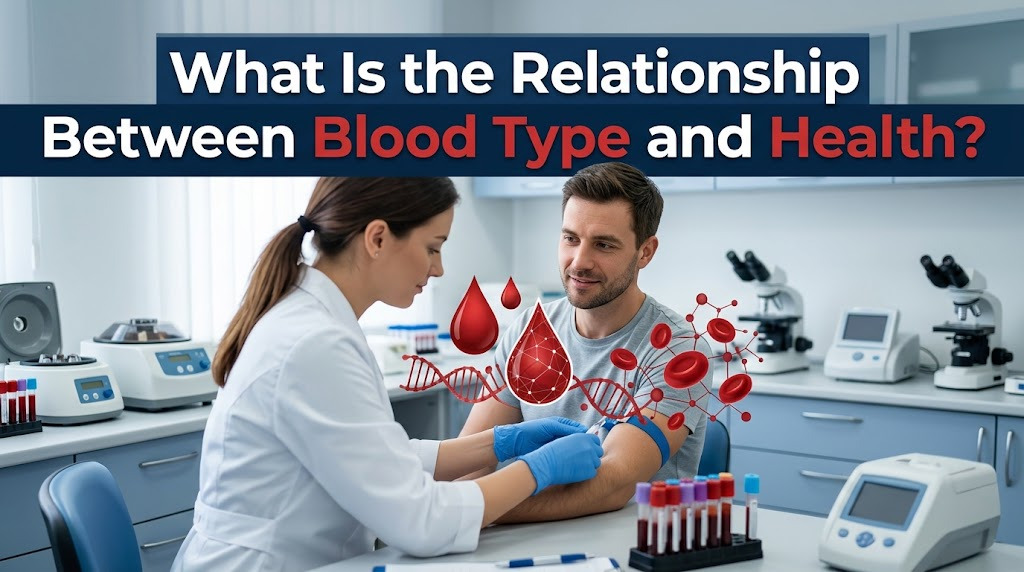
Blood type is an inherited characteristic that identifies differences in molecules found on the surface of red blood cells. The main ABO blood group system includes A, B, AB, and O, while the Rh system identifies people as Rh-positive or Rh-negative. Blood type itself does not determine whether a person is healthy or unhealthy. However, research has found some statistical relationships between certain blood groups and particular health conditions.
These relationships are generally considered associations, not proof that blood type directly causes a disease. Health is influenced by many factors, including genetics, age, lifestyle, environment, infections, and family medical history. Therefore, knowing your blood type can provide useful biological information, but it cannot be used as a complete assessment of your health. Medical professionals consider many other factors when evaluating a person's condition.
HOW CAN BLOOD TYPE BE RELATED TO HEALTH?
Researchers have studied whether blood groups are associated with differences in the risk of certain diseases. One of the strongest observations involves non-O blood groups, particularly A, B, and AB, which have been associated with a higher tendency for certain clotting-related conditions compared with type O. The differences may be related to levels and activity of proteins involved in blood clotting. However, the overall increase in risk for an individual may still be small compared with other major risk factors.
Blood type can also be relevant to the immune and cardiovascular systems because the molecules associated with blood groups can interact with biological processes in the body. Scientists continue to study these connections to better understand why certain patterns appear in large populations. These findings do not mean that a person with a particular blood type will develop a specific disease. Blood type is only one factor among many that may influence health.
DOES BLOOD TYPE AFFECT BLOOD CLOTTING?
There is evidence that ABO blood type is associated with differences in levels of certain clotting proteins, including von Willebrand factor and factor VIII. On average, people with non-O blood types tend to have higher levels of these proteins than people with type O blood. This difference may contribute to a higher statistical risk of some blood clots in non-O groups. However, having type O blood does not eliminate the possibility of developing a clot.
Many other factors have a much greater influence on clotting risk, such as prolonged immobility, surgery, pregnancy, certain medications, smoking, obesity, and previous clotting problems. Doctors therefore do not determine an individual's clotting risk from blood type alone. A person's complete medical history and current condition are much more important. Blood type may be considered as one background characteristic rather than a direct diagnosis.
CAN BLOOD TYPE BE LINKED TO HEART AND BLOOD VESSEL CONDITIONS?
Some studies have reported associations between non-O blood types and certain cardiovascular conditions, including coronary artery disease. Researchers believe that differences in clotting factors and other biological pathways may partly explain these observations. However, the relationship is statistical and does not mean that having type A, B, or AB blood will automatically cause heart disease. A person's overall cardiovascular risk depends on many additional factors.
Important factors include high blood pressure, high cholesterol, diabetes, smoking, physical inactivity, and diet. Regular exercise, balanced nutrition, avoiding tobacco, and appropriate medical screening can have a much greater effect on heart health than blood type. Therefore, people should not change their health habits based on blood type alone. Proven preventive measures remain more important for reducing cardiovascular risk.
IS BLOOD TYPE CONNECTED TO INFECTIONS?
Researchers have also investigated possible relationships between blood type and infectious diseases. Certain pathogens may interact with molecules related to blood group antigens, which could influence how easily they attach to cells or how the immune system responds. Studies have reported associations between some blood groups and the risk or severity of particular infections. However, the results can vary between diseases and populations.
A blood type does not make someone completely protected from an infection or guarantee that they will become seriously ill. Vaccination, hygiene, exposure, underlying health conditions, and access to treatment can have major effects on infection risk and outcomes. Blood type may contribute to differences observed in research populations, but it is not a substitute for established methods of disease prevention. More research is needed to fully understand many of these biological relationships.
CAN BLOOD TYPE AFFECT PREGNANCY?
Blood type is especially important in pregnancy because of the Rh factor. When an Rh-negative mother carries an Rh-positive fetus, there can be a risk of Rh sensitization if fetal red blood cells enter the mother's bloodstream. The mother's immune system can then produce anti-D antibodies, which may affect a later Rh-positive pregnancy. This is why pregnant patients are routinely screened for blood type and relevant antibodies.
Modern prenatal care can greatly reduce the risk of serious Rh incompatibility complications. Healthcare providers may use anti-D immune globulin for eligible Rh-negative patients according to established medical guidelines and individual circumstances. ABO differences between mother and baby can also sometimes occur, but they are usually less severe than Rh-related disease. Proper prenatal screening allows healthcare professionals to identify and manage potential blood group problems.
DOES BLOOD TYPE DETERMINE YOUR PERSONAL HEALTH?
No, blood type does not determine a person's overall health. A healthy person can have any of the common blood groups, and a person with the same blood type can still have very different health conditions. Blood type is mainly a biological classification used for medical purposes such as transfusion and pregnancy care. It should not be used to predict someone's entire health profile.
Some popular claims suggest that people should follow specific diets or lifestyles based only on their blood type. However, such claims are not a replacement for evidence-based health advice. Nutrition and exercise recommendations should consider an individual's nutritional needs, medical conditions, age, and personal circumstances. Healthy habits are beneficial across all blood types.
WHY IS IT IMPORTANT TO UNDERSTAND BLOOD TYPE AND HEALTH CORRECTLY?
Understanding the relationship between blood type and health can help people interpret medical information more carefully. Research may show that one blood group is associated with a slightly higher or lower risk of a condition, but this does not mean the blood group is the direct cause. Statistical associations can be influenced by many biological and population factors. More research is often needed before a finding can be used to guide individual medical decisions.
Knowing your blood type is still useful for blood transfusion, blood donation, pregnancy care, and emergency medical information. However, it should be treated as one piece of health information rather than a personal health prediction tool. Regular medical checkups, healthy habits, and professional advice are much more important for maintaining good health. Using blood type information accurately can help prevent misunderstanding and unnecessary worry.
CONCLUSION
The relationship between blood type and health is complex. Studies have found associations between certain blood groups and risks involving blood clotting, cardiovascular conditions, and some infections, but these relationships do not mean that blood type directly causes these diseases. Other factors such as lifestyle, genetics, age, and medical history usually have a much stronger influence on a person's health.
Blood type is particularly important in blood transfusion and pregnancy care, especially when the Rh factor is involved. Knowing your blood group can be useful, but it should not be used to predict your overall health or replace professional medical advice. The best way to protect your health is to follow evidence-based preventive care and seek appropriate medical evaluation when needed.
About the Author
Gusti Ayu Tita P
Author — STEKOM University
An active author focused on academic issues, educational technology, and human resource development in the campus environment.















