What Is the Role of Ports in Supporting National Trade?
Gusti Ayu Tita P
10 Agustus 2026
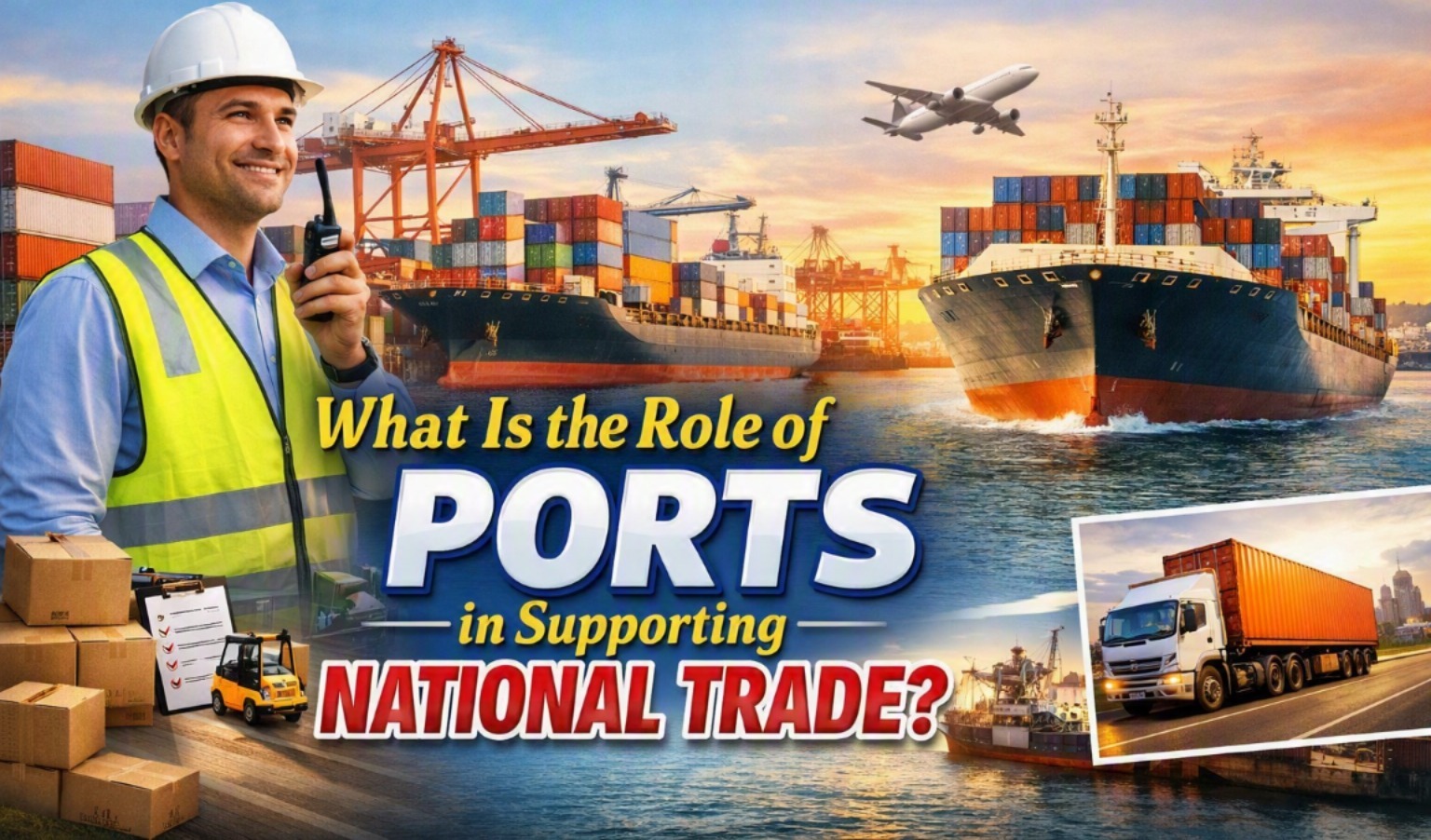
Ports are essential parts of a country’s trade and transportation system. They connect domestic producers with national and international markets by providing facilities for ships to load and unload goods. Through ports, products such as food, raw materials, machinery, fuel, and manufactured goods can move between regions more efficiently. A well-managed port can also reduce transportation delays and support a more reliable supply chain. For countries with extensive coastlines and many islands, ports are especially important for maintaining economic connectivity.
CONNECTING PRODUCERS AND MARKETS
One of the main roles of ports is to connect producers with markets. Businesses depend on ports to move products from manufacturing areas, farms, mining regions, and distribution centers to other destinations. Ports also provide access to imported goods and raw materials that may not be available domestically. This connection helps businesses reach a wider customer base and maintain regular supplies.
Efficient port operations can make the movement of goods faster, safer, and more predictable. When cargo can be handled efficiently, companies can manage inventory more effectively and reduce unnecessary storage costs. This is particularly important for businesses that depend on regular shipments. As a result, ports can contribute directly to stronger domestic trade and broader economic activity.
SUPPORTING THE NATIONAL SUPPLY CHAIN
Ports are important links in the national supply chain, connecting sea transportation with roads, railways, warehouses, and distribution centers. Goods arriving at a port can be transported to different regions through other modes of transportation. This integrated system allows products to move from producers to wholesalers, retailers, and consumers.
A strong port network can also improve supply chain resilience. When transportation routes are well planned and supported by suitable infrastructure, businesses have more options for moving essential goods. This can help reduce the impact of transportation disruptions, congestion, or unexpected changes in demand. Efficient coordination between ports and other logistics facilities therefore supports a more stable flow of goods.
REDUCING LOGISTICS COSTS
Another important function of ports is helping businesses manage logistics costs. Ships can transport large quantities of cargo over long distances, making maritime transportation highly useful for bulk and international shipments. Modern ports use specialized equipment, terminals, storage facilities, and digital systems to improve cargo handling.
When port operations become more efficient, vessels can spend less time waiting and cargo can be processed more quickly. These improvements can reduce certain transportation and handling costs throughout the supply chain. Lower logistics costs can make domestic products more competitive and help businesses expand their markets.
SUPPORTING IMPORTS AND EXPORTS
Ports play a central role in international trade because they handle a significant amount of imported and exported cargo. Exporters use ports to send agricultural products, manufactured goods, minerals, and other commodities to overseas markets. At the same time, importers rely on ports to receive machinery, consumer products, energy resources, and industrial materials.
Efficient port services can improve a country's trade competitiveness. Reliable cargo handling, customs procedures, storage systems, and transportation connections help businesses meet delivery requirements more effectively. Ports must therefore work together with customs authorities, shipping companies, logistics providers, and other stakeholders to keep trade activities running smoothly.
CREATING JOBS AND ECONOMIC OPPORTUNITIES
Ports contribute to the economy not only by moving goods but also by creating employment opportunities. Port activities require workers in cargo handling, shipping, logistics, warehousing, transportation, administration, security, maintenance, and other services. The growth of port activity can also increase demand for supporting businesses around port areas.
The economic impact can extend beyond the port itself. Restaurants, transportation providers, equipment suppliers, warehouses, and other local businesses may benefit from increased commercial activity. In this way, ports can support regional economic development while strengthening connections between different parts of a country.
IMPROVING REGIONAL CONNECTIVITY
For countries made up of many islands or geographically separated regions, ports are particularly important for regional connectivity. They provide transportation links between coastal communities and major economic centers. Regular maritime services can help distribute food, construction materials, consumer products, and other essential goods across different areas.
Better connectivity can also support balanced economic development. Regions with reliable access to transportation networks may find it easier to attract businesses, distribute local products, and participate in wider markets. Ports therefore serve as important gateways that connect local economies with national and global trade networks.
USING TECHNOLOGY TO IMPROVE PORT EFFICIENCY
Modern ports increasingly use digital technology to improve their operations. Digital documentation, cargo tracking, automated equipment, data systems, and electronic communication can make information flow faster between different parties. These technologies can help reduce paperwork, improve visibility, and support better decision-making.
Technology can also strengthen port security and efficiency when implemented properly. Real-time information can help operators monitor cargo movements, manage terminal capacity, and coordinate transportation schedules. However, technology must be supported by skilled workers, reliable infrastructure, strong cybersecurity practices, and appropriate regulations to deliver sustainable benefits.
WHY EFFICIENT PORTS MATTER FOR NATIONAL TRADE?
Efficient ports help a country maintain a smooth movement of goods between regions and across international markets. Their performance affects transportation time, logistics processes, supply chain reliability, and business competitiveness. Ports that are well connected to roads, railways, warehouses, and industrial areas can provide greater value to the national economy.
For this reason, investment in port infrastructure and services is an important part of trade development. Governments and industry stakeholders need to focus not only on expanding port capacity but also on improving operational efficiency, connectivity, safety, environmental management, and digital systems. A strong port network can ultimately support more reliable trade and contribute to long-term economic growth.
CONCLUSION
Ports have a fundamental role in supporting national trade by connecting producers, consumers, businesses, and international markets. They facilitate the movement of goods, support supply chains, help manage logistics costs, and create economic opportunities. Their importance becomes even greater for countries that depend heavily on maritime transportation and have geographically separated regions.
Developing efficient ports requires more than building larger terminals. It also requires modern technology, skilled workers, reliable transportation connections, effective regulations, and sustainable management. When these elements work together, ports can become powerful gateways for trade and important foundations for national economic development.
About the Author
Gusti Ayu Tita P
Author — STEKOM University
An active author focused on academic issues, educational technology, and human resource development in the campus environment.