
What Is The Role Of Teachers During A Study Tour?
Gusti Ayu Tita P
15 September 2026
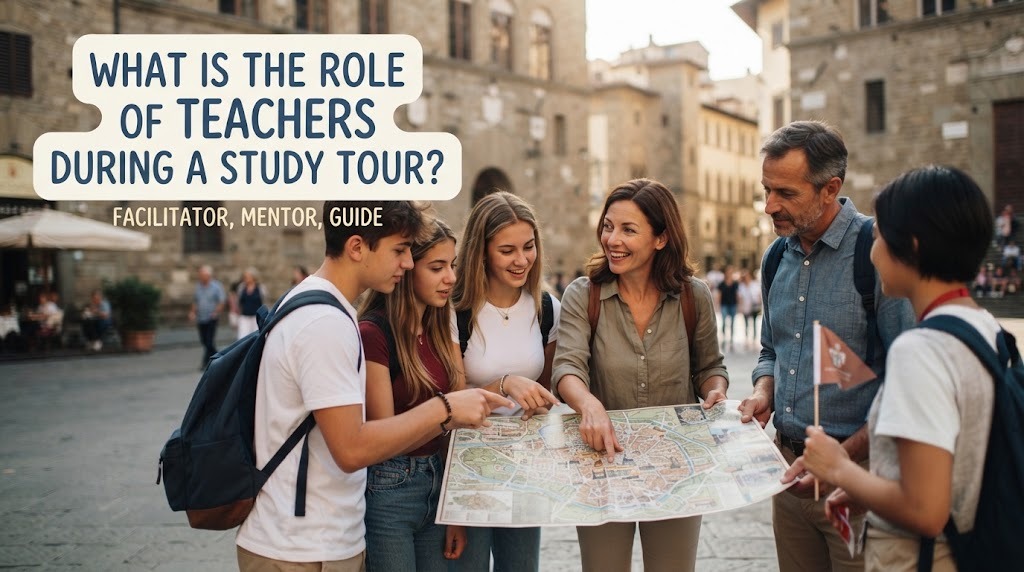
Teachers play an important role in making a study tour safe, organized, and educational. Their responsibility is not only to accompany students during the trip but also to guide them throughout the learning activities. Teachers need to monitor students, provide instructions, and help them understand what they see and experience. Good teacher supervision can make a study tour more effective and enjoyable.
ENSURING STUDENT SAFETY
One of the most important responsibilities of teachers is ensuring student safety during the study tour. Teachers need to monitor students while they travel, visit destinations, and participate in activities. They should make sure students follow safety rules and stay with their assigned groups. Teachers also need to respond appropriately if an unexpected situation occurs.
Before the trip begins, teachers can explain important safety procedures to students. They should also know the meeting points and emergency contacts at the destination. Strong supervision helps reduce risks and gives students a safer learning environment.
GIVING INSTRUCTIONS BEFORE THE TRIP
Teachers should provide clear instructions before the study tour begins. Students need to understand the schedule, meeting points, transportation arrangements, dress requirements, and rules. Clear information helps students know what they should prepare and how they should behave during the trip.
Teachers can also remind students about important items such as identification, personal medicine, learning equipment, and appropriate clothing. Students should have an opportunity to ask questions if they do not understand something. Good preparation can prevent confusion and make the trip easier to manage.
MONITORING STUDENT DISCIPLINE
Teachers are also responsible for maintaining student discipline throughout the study tour. Students need to follow the agreed schedule, stay with their groups, and respect the rules of the destination. Teachers should remind students when they become distracted or fail to follow instructions.
Discipline is important because a study tour usually involves many students moving between different locations. Without proper organization, delays or safety problems can occur. Consistent supervision helps students learn responsibility while keeping the group organized.
SUPPORTING THE LEARNING PROCESS
A study tour should remain focused on its educational purpose. Teachers can explain important information, ask students questions, and encourage them to observe their surroundings carefully. They can connect what students see during the visit with subjects that have been taught at school.
Teachers may also give students assignments such as taking notes, completing observations, or discussing specific questions. These activities encourage students to participate actively. Teacher guidance can turn a simple visit into a meaningful learning experience.
HELPING STUDENTS WHEN THEY HAVE PROBLEMS
Students may face different problems during a study tour. They might lose an item, become confused about the schedule, feel uncomfortable, or need help communicating with someone. Teachers should be available to provide guidance and support when these situations occur.
Teachers can help students solve problems calmly and responsibly. At the same time, they can encourage students to think about possible solutions instead of immediately doing everything for them. This approach can help students become more confident and independent.
MAINTAINING COMMUNICATION WITH STUDENTS
Good communication is essential during a study tour. Teachers should make sure students know how to contact them if they need assistance. They should also regularly check that students are present and understand the next activity.
Teachers can use clear and simple instructions, especially when the group is in a crowded or unfamiliar place. Students should feel comfortable reporting problems or asking questions. Open communication can improve both safety and cooperation during the trip.
TEACHING RESPONSIBILITY AND RESPECT
A study tour provides an opportunity for teachers to teach students about responsibility and respectful behavior. Students should respect the destination, staff, local communities, classmates, and teachers. They should also take care of their belongings and avoid damaging facilities.
Teachers can demonstrate good behavior and explain why certain rules are important. These lessons can help students understand that their actions affect other people. A study tour can therefore support character development as well as academic learning.
COORDINATING WITH ORGANIZERS AND STAFF
Teachers usually need to work with tour organizers, destination staff, transportation providers, and other adults involved in the activity. Good coordination helps ensure that schedules, transportation, meals, entry procedures, and educational activities run smoothly.
Before and during the visit, teachers may need to communicate changes or special requirements to the relevant people. They should also make sure everyone understands their responsibilities. Effective coordination can prevent misunderstandings and improve the overall organization of the study tour.
SUPERVISING GROUP ACTIVITIES
Many study tours include group assignments and interactive activities. Teachers should supervise these activities to make sure students participate properly and work together. They can encourage students to share tasks, communicate respectfully, and complete their responsibilities.
Teachers should also observe whether every student has an opportunity to participate. If a group experiences difficulties, teachers can provide guidance without taking over the entire task. Group supervision can strengthen teamwork and encourage active student participation.
CONCLUSION
Teachers have a central role in making a study tour safe, organized, and educational. They supervise students, provide instructions, maintain discipline, support learning, solve problems, and communicate with students and other organizers. Their guidance helps students gain more value from experiences outside the classroom.
A teacher's role is not limited to controlling students during a trip. Teachers also act as learning guides, safety supervisors, and role models. With effective preparation and supervision, a study tour can become a valuable experience for both academic and personal development.
About the Author
Gusti Ayu Tita P
Author — STEKOM University
An active author focused on academic issues, educational technology, and human resource development in the campus environment.















