
What Is Toxic Positivity and Why Is It Harmful to Mental Health?
Gusti Ayu Tita P
28 Juli 2026
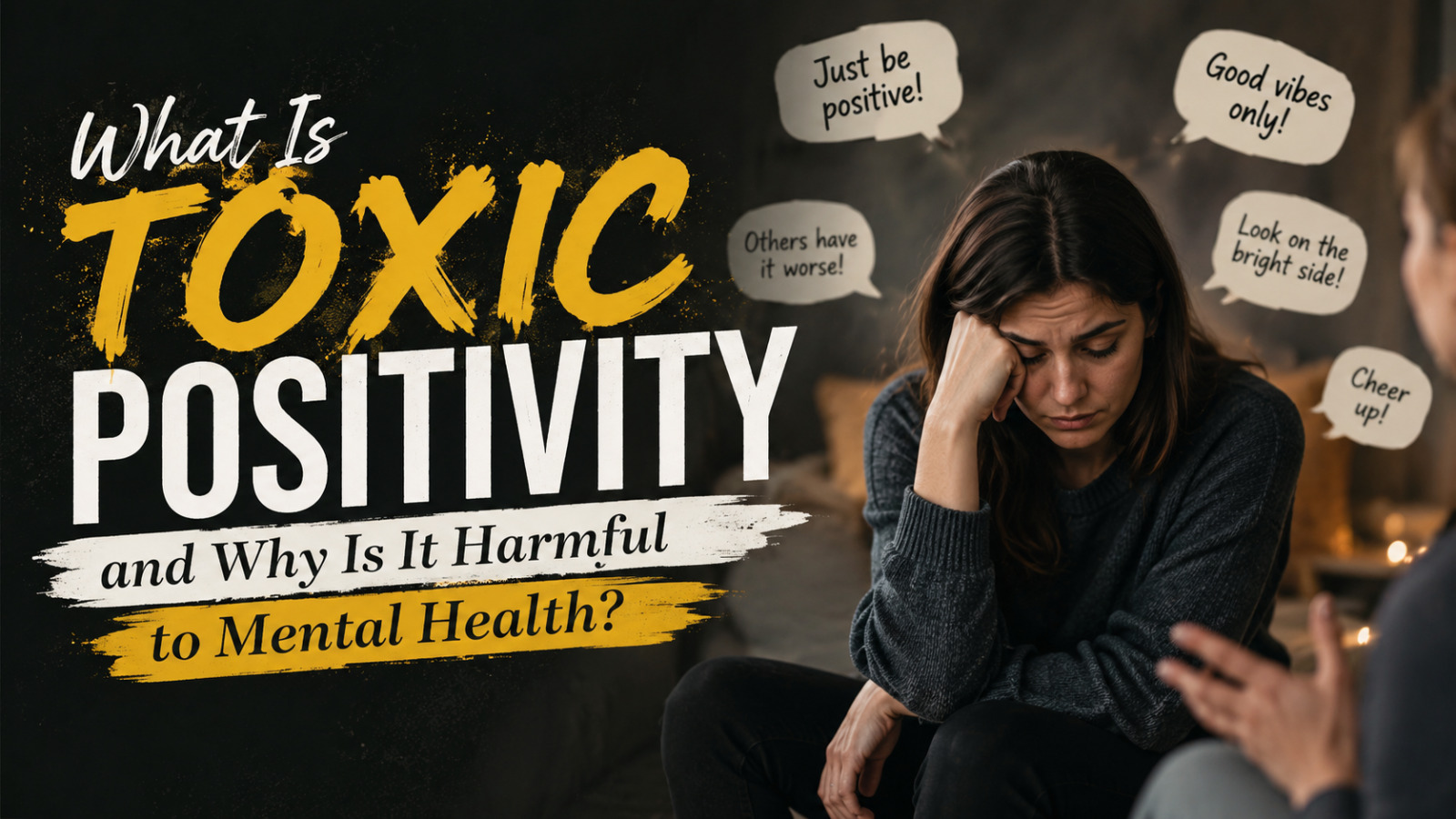
In today's fast-paced world, people are often encouraged to "stay positive", "look on the bright side," or "keep smiling" regardless of what they are going through. While optimism can be beneficial, there is a point where forced positivity becomes unhealthy. This behavior is known as toxic positivity, a mindset that dismisses genuine emotions in favor of constant optimism.
Understanding toxic positivity is essential because emotional well-being depends on acknowledging both positive and negative feelings. Ignoring sadness, frustration, grief, or anxiety does not make them disappear. Instead, these emotions often become stronger and more difficult to manage over time.
WHAT IS TOXIC POSITIVITY?
Toxic positivity is the belief that people should maintain a positive attitude regardless of how difficult or painful a situation may be. It encourages individuals to suppress uncomfortable emotions instead of accepting them as a natural part of life. While positive thinking has many benefits, forcing positivity at all times creates unrealistic expectations about emotional health.
Everyone experiences disappointment, fear, anger, and sadness. These emotions serve important psychological purposes and help people process life events. Healthy emotional balance means accepting both pleasant and unpleasant feelings without shame or guilt.
WHY IS TOXIC POSITIVITY HARMFUL TO MENTAL HEALTH?
One of the biggest dangers of toxic positivity is emotional suppression. When people believe they should never feel negative emotions, they may hide their true feelings instead of expressing them. Over time, bottled-up emotions can contribute to stress, anxiety, and even depression.
Another harmful effect is the creation of emotional isolation. Someone struggling with grief or emotional pain may feel misunderstood when others respond with phrases like "Just stay positive" or "Everything happens for a reason." Rather than feeling supported, they may believe their emotions are invalid or unacceptable.
COMMON SIGNS OF TOXIC POSITIVITY
Several behaviors can indicate toxic positivity in daily life. One common sign is ignoring emotional pain by pretending everything is fine. Another is feeling guilty whenever negative emotions appear, believing that sadness or frustration represents personal failure.
People may also avoid discussing difficult experiences because they fear being judged as negative. Constantly encouraging others to smile without listening to their concerns is another example. Invalidating emotions, even unintentionally, can damage trust and meaningful relationships.
THE DIFFERENCE BETWEEN HEALTHY POSITIVITY AND TOXIC POSITIVITY
Healthy positivity recognizes that life includes both joyful and painful experiences. It encourages hope while also allowing room for sadness, disappointment, and healing. People practicing healthy positivity acknowledge emotions before searching for solutions.
In contrast, toxic positivity rejects uncomfortable feelings altogether. Instead of empathy, it offers unrealistic optimism that may silence emotional expression. Accepting reality while maintaining hope is far healthier than pretending problems do not exist.
HOW TO RESPOND TO SOMEONE WITHOUT USING TOXIC POSITIVITY
Supporting someone emotionally begins with active listening. Instead of immediately offering advice or optimistic phrases, allow the person to share their feelings openly. Simple responses like "I'm here for you" or "That sounds really difficult" often provide more comfort than forced encouragement.
Showing empathy helps people feel seen and understood. Validating emotions does not mean encouraging negativity; it means recognizing that every emotion has value. Compassion and understanding strengthen relationships far more than unrealistic positivity.
HOW TO AVOID TOXIC POSITIVITY IN YOUR OWN LIFE
Developing emotional awareness is the first step toward avoiding toxic positivity. Accept that experiencing negative emotions is completely normal and does not make you weak or pessimistic. Allow yourself time to process emotions instead of immediately trying to replace them with positive thoughts.
Practicing self-compassion, journaling, mindfulness, and speaking with trusted friends or mental health professionals can improve emotional resilience. True emotional wellness comes from balancing optimism with honesty, not from denying reality.
CONCLUSION
Toxic positivity may appear supportive on the surface, but it often prevents people from processing genuine emotions in healthy ways. Real mental health is built on acceptance, empathy, and emotional honesty, not constant happiness.
By recognizing the signs of toxic positivity and replacing judgment with understanding, individuals can create healthier relationships and stronger emotional well-being. Accepting every emotion as part of the human experience leads to greater resilience and lasting mental wellness.
About the Author
Gusti Ayu Tita P
Author — STEKOM University
An active author focused on academic issues, educational technology, and human resource development in the campus environment.















