
What Is Toxic Positivity and Why Should You Be Aware of It?
Gusti Ayu Tita P
11 September 2026
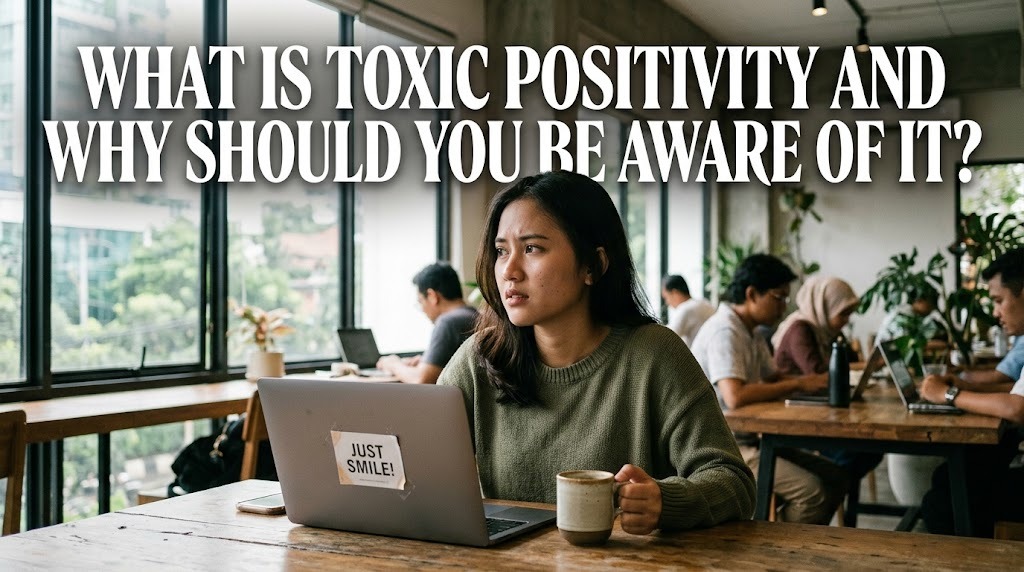
Positive thinking can help people stay hopeful when facing difficult situations. However, constantly forcing positivity can become unhealthy when it prevents someone from acknowledging real emotions. This behavior is often known as toxic positivity. Understanding toxic positivity is important because ignoring negative emotions can affect emotional well-being and relationships.
WHAT IS TOXIC POSITIVITY?
Toxic positivity refers to the excessive insistence on maintaining a positive attitude even when someone is experiencing sadness, anger, disappointment, fear, or other difficult emotions. It can appear when people feel pressured to look on the bright side instead of being allowed to express what they genuinely feel. While positive thinking is not inherently harmful, it becomes problematic when it dismisses or invalidates real emotional experiences.
Toxic positivity can come from ourselves or from other people. Someone may tell themselves that they should not feel sad because their situation could be worse. Friends, family members, or colleagues may also unintentionally use phrases that encourage someone to hide their emotions. As a result, the person may feel that expressing negative emotions is wrong.
COMMON EXAMPLES OF TOXIC POSITIVITY
Toxic positivity can appear in everyday conversations. Statements such as “Just stay positive,” “Everything happens for a reason,” or “Other people have bigger problems” may sound encouraging but can sometimes make someone feel unheard. These responses often focus on ending uncomfortable emotions instead of understanding their causes.
Another example occurs when someone is struggling but feels pressured to pretend everything is fine. On social media, people may also feel the need to display happiness and success even when they are experiencing difficulties. This can create unrealistic expectations about how people should handle problems and emotions.
WHY CAN TOXIC POSITIVITY BE HARMFUL?
One major problem with toxic positivity is emotional invalidation. When someone's feelings are repeatedly dismissed, they may begin to believe that their emotions are inappropriate or unnecessary. Instead of processing sadness, anger, or disappointment, they may choose to hide those feelings.
Suppressing emotions does not necessarily make them disappear. Unaddressed emotions can continue to affect thoughts, behavior, relationships, and overall well-being. People may also find it harder to ask for help because they believe they are expected to remain positive at all times.
TOXIC POSITIVITY VS HEALTHY POSITIVITY
Healthy positivity does not require people to ignore difficult emotions. A healthy approach allows someone to acknowledge that a situation is painful while still looking for ways to move forward. For example, saying “This situation is difficult, but I can try to handle it step by step” recognizes the problem while maintaining hope.
Toxic positivity, on the other hand, tends to reject negative emotions altogether. It focuses on being positive without giving enough space for sadness, frustration, or disappointment. The key difference is emotional acceptance: healthy positivity accepts reality before searching for hope or solutions.
HOW TO RESPOND WITHOUT USING TOXIC POSITIVITY
Supporting someone does not always mean giving advice or trying to make them feel positive immediately. Sometimes the most helpful response is simply listening and acknowledging what they are experiencing. Statements such as “It sounds like this has been really difficult for you” can show empathy without judging their emotions.
It is also important to ask what kind of support they need. Some people may want advice, while others may simply need someone to listen. Giving them space to express their feelings can help create a safer and more supportive relationship.
HOW TO AVOID TOXIC POSITIVITY
The first step is to accept that negative emotions are a normal part of life. Feeling sad, worried, disappointed, or angry does not automatically mean someone is weak or ungrateful. These emotions can provide important information about what a person is experiencing and what they may need.
People can also practice more empathetic communication. Instead of immediately trying to find a positive side, listen carefully and acknowledge the situation. Positivity can still be encouraged, but it should come after emotional validation rather than replacing it.
CONCLUSION
Toxic positivity occurs when the pressure to remain positive causes people to ignore or suppress genuine emotions. Although positivity can be helpful, it should not be used to dismiss sadness, frustration, fear, or other difficult experiences. Recognizing emotional reality, practicing empathy, and allowing people to express their feelings can create healthier relationships and better emotional well-being. True positivity does not mean pretending that everything is fine, but finding hope while still accepting reality.
About the Author
Gusti Ayu Tita P
Author — STEKOM University
An active author focused on academic issues, educational technology, and human resource development in the campus environment.















