
What Life Lessons Can Students Learn from Class Meetings?
Gusti Ayu Tita P
31 Juli 2026
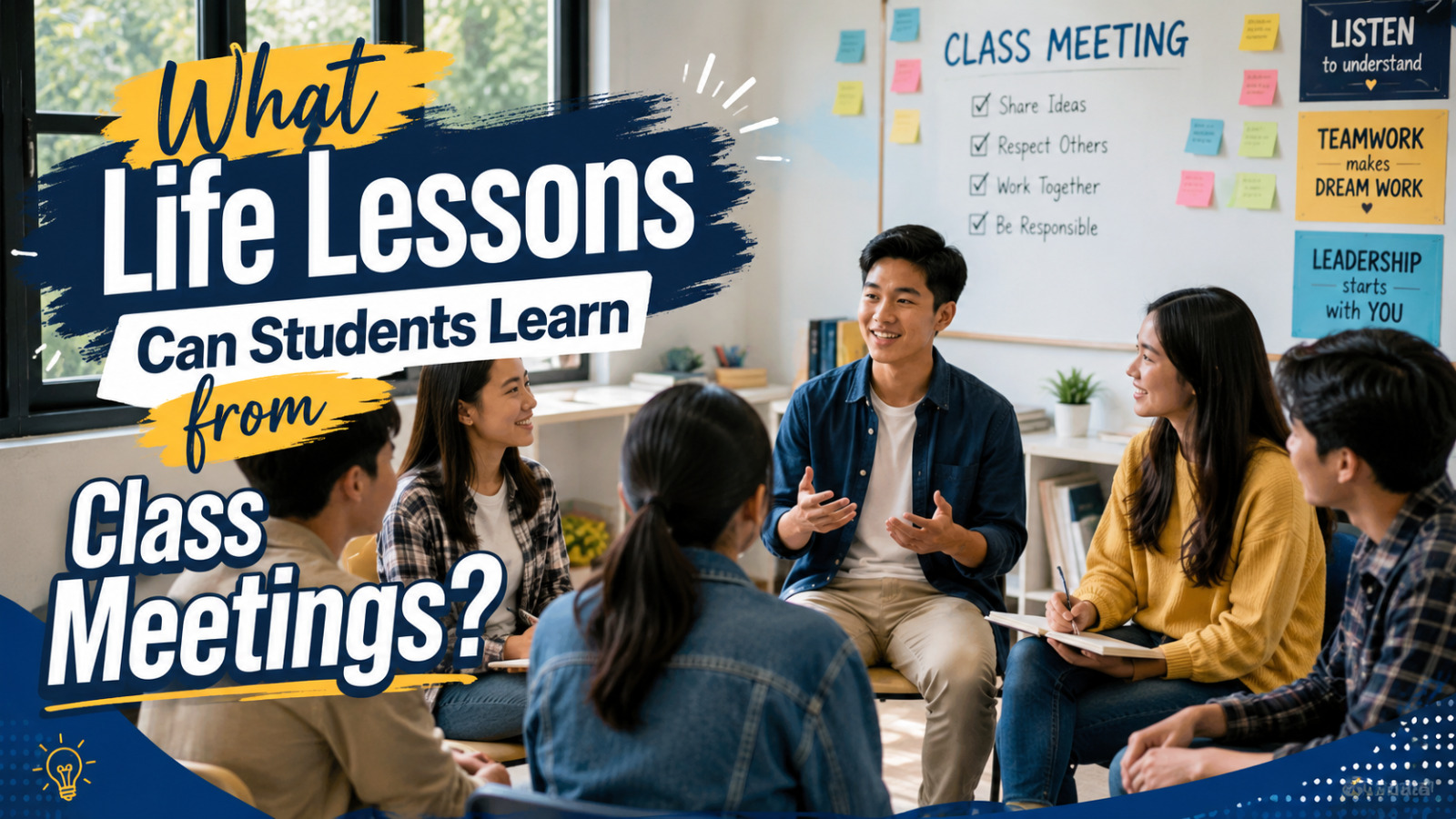
Class meetings are more than just fun school events. They provide students with valuable opportunities to grow, work together, and face real-life challenges in a positive environment. Through games, competitions, discussions, and teamwork, students learn skills that will help them both inside and outside the classroom. These experiences build confidence, responsibility, and respect for others. As a result, class meetings become meaningful activities that prepare students for future success.
WHY CLASS MEETINGS ARE MORE THAN JUST SCHOOL EVENTS
Many students think class meetings are only about enjoying competitions and taking a break from regular lessons. However, these activities also help students develop important life skills that cannot always be learned from textbooks. Every event encourages students to communicate, cooperate, and solve problems together.
Class meetings also create opportunities for students to interact with classmates from different backgrounds and personalities. This helps build strong friendships, improve understanding, and strengthen the sense of belonging within the school community. These valuable experiences often leave lasting memories while teaching lessons that remain useful throughout life.
TEAMWORK AND COOPERATION ARE ESSENTIAL
One of the greatest lessons students gain from class meetings is the importance of teamwork. Whether participating in sports, quizzes, or creative competitions, students learn that success often depends on working well with others. Every team member has different strengths that contribute to achieving a common goal.
Students also discover the value of communication, trust, and mutual support. They learn to listen carefully, share ideas respectfully, and help teammates overcome difficulties. These experiences prepare students to work effectively in future academic, professional, and social environments.
LEARNING RESPONSIBILITY AND DISCIPLINE
Class meetings teach students to become more responsible for their actions and commitments. Participants must attend practice sessions, follow schedules, and complete assigned tasks to help their teams succeed. These responsibilities encourage students to manage their time wisely.
In addition, students understand the importance of discipline by following competition rules and respecting event organizers. They realize that commitment, preparation, and consistency are necessary to achieve good results. These habits become valuable qualities that benefit them throughout their education and careers.
DEVELOPING LEADERSHIP AND CONFIDENCE
Many class meeting activities provide students with opportunities to become leaders. They may organize events, coordinate teammates, or make important decisions during competitions. These experiences help students improve their leadership abilities through real practice.
Students also develop greater self-confidence by speaking in front of others, presenting ideas, or participating in competitions. Even if they do not always win, they become more comfortable facing challenges and expressing themselves. This confidence supports both academic performance and personal development.
LEARNING TO HANDLE SUCCESS AND FAILURE
Winning feels exciting, but class meetings also teach students how to respond to failure with maturity. Sometimes a team loses despite giving its best effort, and students learn that setbacks are part of personal growth. Instead of giving up, they become motivated to improve.
Students also practice sportsmanship by congratulating winners and respecting every competitor. They understand that true success includes honesty, fairness, and respect for others. These attitudes help build positive character that lasts far beyond school.
IMPROVING PROBLEM-SOLVING AND CREATIVITY
Unexpected situations often happen during class meetings, requiring students to think quickly and find creative solutions. They may need to adjust strategies, divide responsibilities differently, or solve conflicts within their teams. These experiences strengthen critical thinking skills.
Students also become more innovative when creating performances, decorations, or competition strategies. They learn that creativity grows through collaboration, practice, and open-minded thinking. These abilities are highly valuable in education and future careers.
BUILDING LASTING CHARACTER FOR THE FUTURE
The lessons learned from class meetings continue long after the events are over. Students develop integrity, patience, empathy, responsibility, and perseverance through real experiences with their classmates. These qualities shape strong personal character.
As students move into higher education and future careers, the values gained from class meetings remain useful in many situations. They become individuals who can work with others, overcome challenges, and contribute positively to society. This is why class meetings are not just enjoyable school activities but meaningful opportunities for lifelong learning.
CONCLUSION
Class meetings offer much more than entertainment. They teach students valuable lessons about teamwork, leadership, discipline, responsibility, sportsmanship, and personal growth. Every activity provides practical experiences that help students become more confident, cooperative, and resilient. These life lessons prepare young people to face future challenges with positive attitudes and strong character. By participating actively in class meetings, students gain memories and skills that will benefit them throughout their lives.
Meta Description:
Class Meeting helps students learn teamwork, leadership, responsibility, discipline, and valuable life lessons that build strong character for future success.
About the Author
Gusti Ayu Tita P
Author — STEKOM University
An active author focused on academic issues, educational technology, and human resource development in the campus environment.















