
What Mistakes Should You Avoid When Refueling at a Gas Station?
Gusti Ayu Tita P
17 September 2026
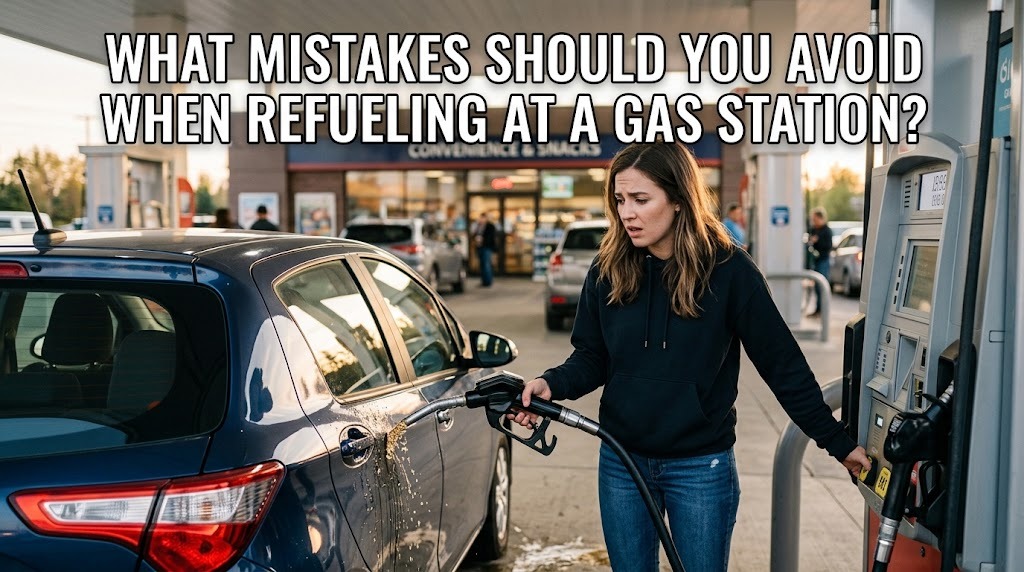
Refueling a vehicle may seem like a simple routine, but several mistakes can create safety risks, waste fuel, or even cause problems for the vehicle. Drivers need to pay attention to the type of fuel, refueling procedures, and conditions around the gas station. Small mistakes, such as choosing the wrong fuel or leaving the engine running, can have significant consequences. Understanding common refueling mistakes helps drivers make the process safer, more efficient, and more responsible. With the right habits, refueling can be completed smoothly without unnecessary problems.
CHOOSE THE CORRECT FUEL
One of the most important mistakes to avoid is choosing the wrong fuel for your vehicle. Every vehicle is designed to use a specific type of fuel based on its engine specifications. Drivers should check the vehicle manual, fuel label, or manufacturer's recommendations before refueling. Using an unsuitable fuel can affect engine performance and may cause serious mechanical problems in some situations. Drivers should never rely only on the color or appearance of a fuel nozzle because these can vary between gas stations.
It is also important to avoid selecting fuel based only on price. A cheaper fuel is not necessarily the appropriate choice for every vehicle. Drivers should understand the recommended octane rating or fuel specification for their engine. If there is uncertainty, checking the owner's manual or asking a qualified gas station attendant is a safer option. Taking a few seconds to confirm the fuel type can prevent costly mistakes.
DO NOT REFUEL WITH THE ENGINE RUNNING
Leaving the engine running while refueling is another mistake that drivers should avoid. The engine should be turned off before fuel is dispensed. This reduces unnecessary risks around flammable fuel and follows standard safety practices at gas stations. Drivers should also follow instructions displayed near the fuel pump or given by station staff.
During refueling, unnecessary electrical equipment should also be avoided when required by station safety rules. Drivers should not smoke or create an open flame near the fuel area. Mobile phone use should follow the gas station's posted safety instructions rather than being treated as automatically dangerous in every circumstance. The most important principle is to minimize ignition sources and follow the specific safety procedures of the station.
AVOID OVERFILLING THE FUEL TANK
Overfilling the fuel tank is another common mistake. Drivers should stop refueling when the pump automatically shuts off, unless the vehicle or station instructions provide a specific reason to do otherwise. Continuing to add fuel after the automatic stop can cause fuel to spill or enter parts of the fuel system that are not intended to hold liquid fuel. Fuel spills can create safety and environmental concerns.
Drivers should also avoid trying to estimate the tank's capacity by forcing additional fuel into it. Modern vehicles have fuel systems designed to manage fuel and vapor within specific limits. Excessive filling may interfere with the system's ability to handle fuel vapors. Therefore, allowing the pump to stop normally is a simple habit that can make refueling safer and cleaner.
AVOID DISTRACTIONS AND CARELESS ACTIONS
Distraction can lead to several refueling mistakes. Drivers should pay attention to the fuel nozzle, payment process, and surroundings while refueling. Forgetting to remove the nozzle before driving away can damage equipment and create a fuel spill. Drivers should also avoid leaving personal belongings unattended or becoming distracted by conversations while operating the pump.
It is equally important to follow the instructions provided at the gas station. Drivers should not block other vehicles unnecessarily or stand in unsafe areas around the pump. If fuel spills, the driver should immediately notify station staff instead of ignoring it. Staying focused throughout the process helps prevent simple errors from becoming larger safety problems.
DO NOT IGNORE VEHICLE AND FUEL INFORMATION
Drivers should not ignore warning signs or important information about their vehicles. A fuel warning light, unusual engine behavior, or difficulty starting after refueling may indicate that further attention is needed. If a driver accidentally puts the wrong fuel into the vehicle, starting the engine may make the situation worse. The safer approach is to avoid starting the vehicle and seek assistance from qualified personnel.
Drivers should also keep track of their vehicle's normal fuel consumption. A sudden change in fuel efficiency can sometimes indicate a mechanical issue, driving-condition changes, or another problem that needs investigation. Keeping the fuel cap properly closed after refueling is another simple but important step. These habits help protect the vehicle and reduce the chance of avoidable problems.
FOLLOW GAS STATION SAFETY RULES
Every gas station has safety procedures designed to reduce risks during refueling. Drivers should follow signs, instructions from attendants, and restrictions around fuel pumps. Smoking, open flames, and other potential ignition sources should be kept away from fueling areas. Children should also be supervised carefully when they are present at a gas station.
After completing the transaction, drivers should make sure the fuel nozzle has been returned properly and the fuel cap is securely closed. They should check their surroundings before leaving the pump area. If an emergency occurs, such as a significant fuel spill or fire, drivers should follow station emergency instructions and move to a safe location. Simple compliance with these rules can make the gas station safer for drivers, passengers, employees, and other customers.
CONCLUSION
Avoiding common refueling mistakes is an important part of responsible vehicle ownership. Drivers should choose the correct fuel, turn off the engine, avoid overfilling, stay focused, and follow gas station safety rules. They should also pay attention to vehicle information and respond appropriately if a refueling mistake occurs. These habits are simple but can help reduce safety risks and unnecessary vehicle problems. By refueling carefully and responsibly, drivers can make every visit to a gas station safer, cleaner, and more efficient.
About the Author
Gusti Ayu Tita P
Author — STEKOM University
An active author focused on academic issues, educational technology, and human resource development in the campus environment.















