
What Penalties Can Drivers Face for Illegal Parking?
Gusti Ayu Tita P
29 Agustus 2026
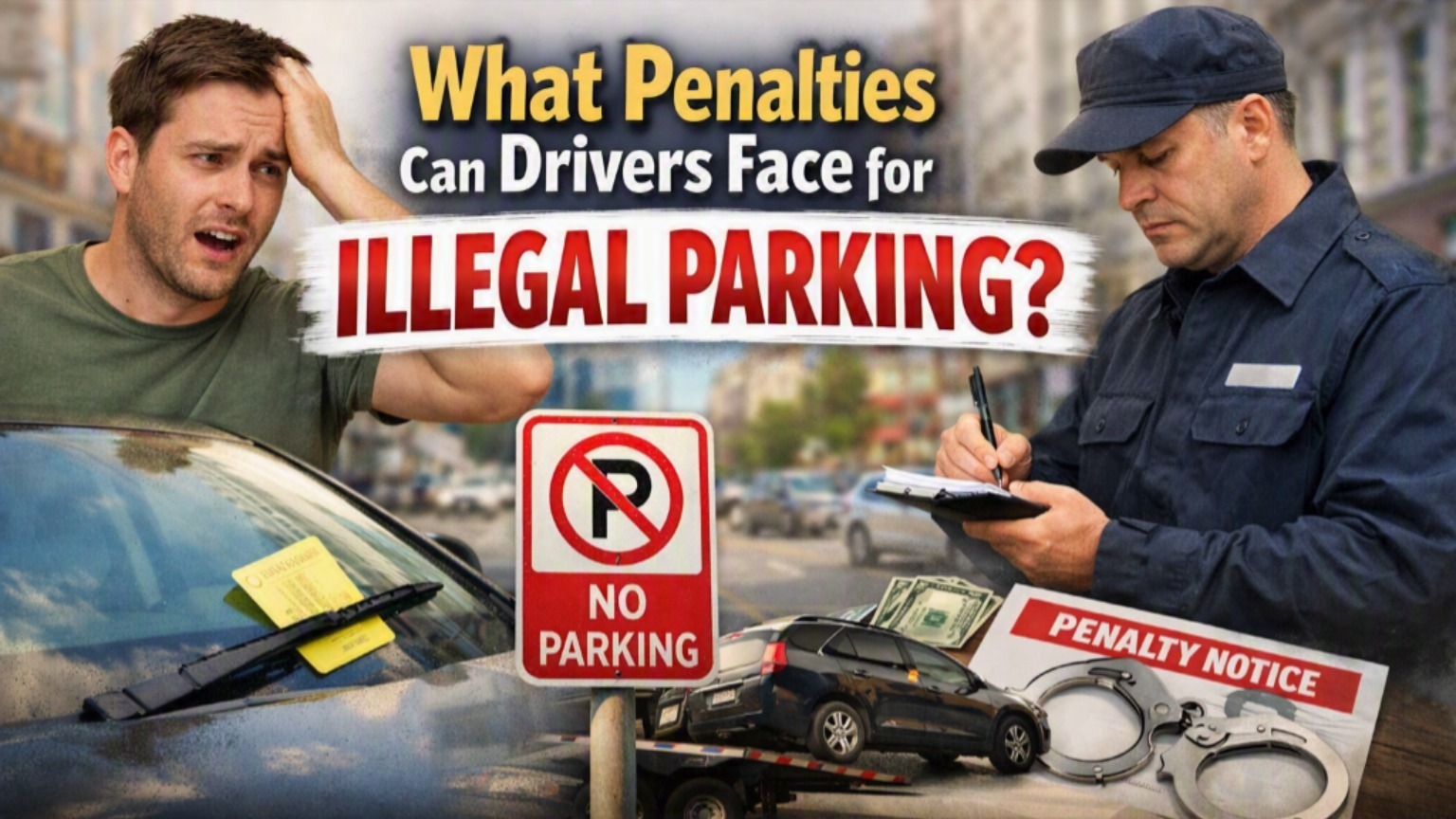
Illegal parking is a common traffic problem in many cities. It can block roads, reduce visibility, disturb pedestrians, and create dangerous situations for other road users. Although parking may seem like a minor violation, drivers can face fines, vehicle towing, immobilization, or other legal consequences depending on local regulations.
Understanding the possible penalties can help drivers avoid unnecessary costs and maintain safer roads. This article explains the most common illegal parking penalties, why they are imposed, and what drivers should do when they receive a parking violation.
WHAT IS ILLEGAL PARKING?
Illegal parking occurs when a vehicle is parked in a place or manner that violates applicable traffic or parking regulations. Examples include parking in a no-parking zone, blocking a pedestrian crossing, stopping in front of an emergency entrance, or leaving a vehicle where parking restrictions apply. Some areas may also prohibit parking on sidewalks, near intersections, or in locations where vehicles could obstruct traffic.
Parking rules can differ between cities and countries, so drivers should always check local signs and regulations. A parking sign may specify restricted hours, permitted parking durations, or special conditions. Ignoring these instructions can result in a parking ticket or other enforcement action.
FINES FOR ILLEGAL PARKING
The most common penalty for illegal parking is a monetary fine. Authorities may issue a parking ticket when a vehicle is found violating parking restrictions. The amount of the fine can depend on the type of violation, the location, and the applicable local rules.
More serious parking violations may result in higher penalties. For example, parking in an area reserved for emergency vehicles or blocking essential access may be treated more seriously than exceeding a permitted parking time. Drivers should pay attention to the deadline for settling a parking fine, because additional costs or enforcement measures may apply if the penalty is ignored.
VEHICLE TOWING AND IMMOBILIZATION
In some circumstances, authorities can tow an illegally parked vehicle. Towing is more likely when a vehicle seriously obstructs traffic, blocks an emergency route, creates a safety hazard, or remains in a prohibited location. The driver may have to pay both the original parking penalty and additional towing or storage charges.
Another possible measure is vehicle immobilization, commonly known as being clamped or booted. This prevents the vehicle from being driven until the required penalty and related charges have been dealt with. Drivers should follow official instructions for releasing the vehicle rather than attempting to remove an immobilization device themselves.
PENALTIES FOR REPEATED VIOLATIONS
Drivers who repeatedly ignore parking regulations may face more serious enforcement consequences. Depending on local law, repeated violations can lead to accumulated fines, additional administrative measures, or restrictions related to the vehicle. The exact consequences vary considerably between jurisdictions.
Repeated illegal parking can also increase the financial burden on a driver. Several unpaid tickets may eventually be referred for further enforcement or collection. For this reason, drivers should not assume that small parking violations can simply be ignored.
PARKING IN RESTRICTED OR DANGEROUS AREAS
Parking in certain locations can carry stricter penalties because it creates a greater risk to public safety. Examples include fire lanes, emergency access points, pedestrian crossings, intersections, and spaces reserved for people with disabilities. These restrictions exist to keep critical routes accessible and protect vulnerable road users.
A vehicle parked in a dangerous position can obstruct visibility and force pedestrians or other drivers into unsafe situations. Authorities may therefore respond more quickly when a vehicle creates an immediate obstruction or hazard. In such cases, towing or higher fines may be possible under local regulations.
WHAT SHOULD DRIVERS DO AFTER RECEIVING A PENALTY?
Drivers should first check the parking notice carefully. The notice normally provides information about the alleged violation, the applicable penalty, the payment deadline, and instructions for challenging the decision if the driver believes it was issued incorrectly. Keeping photographs, receipts, parking records, or other relevant evidence can be useful when disputing a violation.
If the penalty is valid, paying it within the required period can help prevent additional consequences. If the driver believes the ticket is incorrect, they should use the official appeal process available in their jurisdiction. Drivers should avoid relying on unofficial advice because parking procedures and deadlines can vary significantly between locations.
HOW TO AVOID ILLEGAL PARKING PENALTIES?
The easiest way to avoid a parking penalty is to follow posted parking signs and road markings. Drivers should check whether parking is permitted, how long they can stay, and whether restrictions apply during particular hours. They should also avoid blocking sidewalks, entrances, crossings, emergency routes, or areas reserved for specific road users.
Using designated parking facilities can also reduce the risk of accidental violations. Before leaving a vehicle, drivers should take a moment to confirm that the location is legal and that any required payment has been completed. These simple habits can prevent fines, towing costs, and other unnecessary problems.
CONCLUSION
Illegal parking can lead to more than a simple warning. Depending on the violation and local regulations, drivers may face fines, vehicle immobilization, towing charges, or additional consequences for unpaid or repeated violations. Parking in dangerous or restricted areas can result in stronger enforcement because it may threaten public safety.
Drivers can reduce these risks by understanding local parking rules, following signs and road markings, and responding promptly to any official penalty. Responsible parking not only protects drivers from unnecessary costs but also helps create safer and more orderly roads.
About the Author
Gusti Ayu Tita P
Author — STEKOM University
An active author focused on academic issues, educational technology, and human resource development in the campus environment.















