
What Role Can Young People Play in Neighborhood Watch Activities?
Gusti Ayu Tita P
18 September 2026
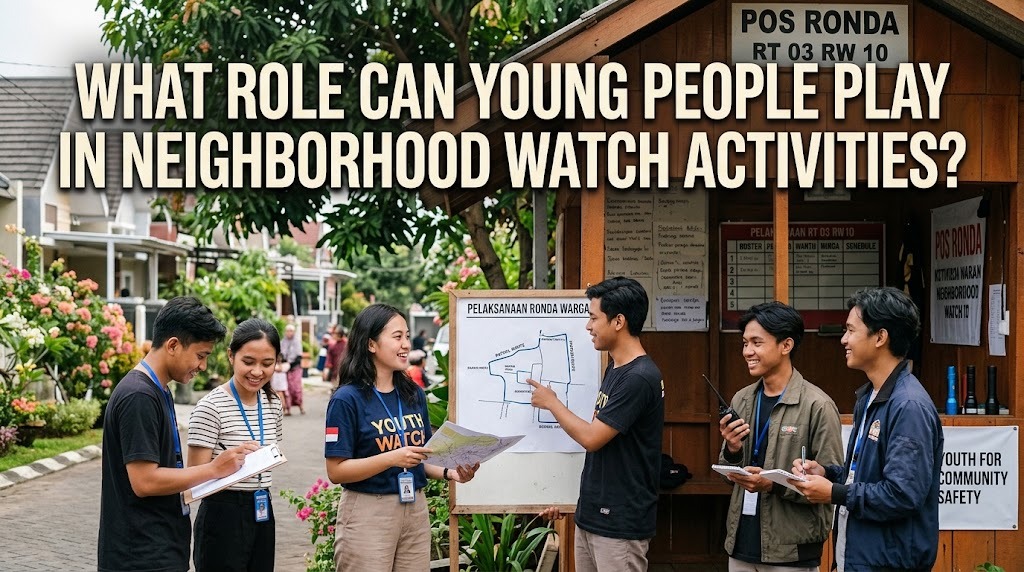
Neighborhood watch activities are an important part of community safety. These activities encourage residents to work together to observe their surroundings, communicate about potential problems, and respond appropriately to situations that may require attention. Although neighborhood watch programs are often associated with adults, young people can also contribute in many positive and responsible ways. Their energy, creativity, and familiarity with modern technology can support community activities.
Young people can participate without taking unnecessary risks or trying to replace trained security personnel. Their role can focus on community awareness, communication, technology support, social activities, and cooperation. When young residents work together with older community members, neighborhood watch activities can become more inclusive and better connected to different generations.
SUPPORTING COMMUNITY AWARENESS
One important role young people can play is helping increase community awareness. They can encourage other residents to pay attention to their surroundings and understand the importance of maintaining a safe neighborhood. For example, young people can help share information about neighborhood activities through community messaging groups or social media. They can also remind residents about scheduled meetings, patrol activities, or community events.
Young people can contribute creative ideas for safety campaigns that are easy for residents to understand. They might help create posters, digital announcements, or educational content about responsible community participation. These activities can make neighborhood watch information more accessible, especially to younger residents. By becoming active communicators, young people can help create a culture in which residents are more willing to cooperate and report concerns through appropriate channels.
HELPING WITH COMMUNITY ACTIVITIES
Neighborhood watch posts can serve as places where residents meet, communicate, and organize community activities. Young people can help prepare the location, organize schedules, or assist with community gatherings. Their involvement can make the neighborhood watch post feel more welcoming to residents of different ages. This can encourage more people to participate in activities that support community cooperation.
Young residents can also help organize positive activities such as sports events, educational discussions, clean-up programs, or community gatherings. These activities may not directly involve security patrols, but they can strengthen relationships between neighbors. Stronger relationships can make communication easier when a genuine safety concern occurs. Therefore, young people's contribution can extend beyond monitoring and include building stronger social connections.
PROVIDING TECHNOLOGY SUPPORT
Young people are often familiar with smartphones, messaging applications, online communication, and other digital tools. This knowledge can be useful for neighborhood watch activities when technology is used responsibly. They can help residents organize information in community messaging groups, share official announcements, or maintain digital schedules for activities. Technology can make communication faster, but it should be used carefully to avoid spreading unverified information.
Young people can also help older residents understand basic digital tools used by the community. For example, they can explain how to use a community communication group or how to share important information clearly. However, technology should support rather than replace direct communication and responsible community procedures. Personal information should also be protected, and residents should avoid sharing sensitive details publicly without a valid reason.
PARTICIPATING RESPONSIBLY IN PATROLS
Young people who are physically and legally able to participate in community patrols may assist according to local rules and community procedures. Their participation should always prioritize personal safety. They should not confront suspected offenders, investigate dangerous situations alone, or put themselves in situations that could cause harm. Instead, they can observe from a safe location and communicate concerns to responsible adults or appropriate authorities.
Clear roles are important when young people participate in neighborhood watch activities. Community leaders can provide basic guidance about communication, observation, emergency procedures, and when to seek professional assistance. Working in groups can also provide better coordination than acting alone. The main purpose should be prevention, awareness, and communication, rather than attempting to enforce the law independently.
BUILDING INTERGENERATIONAL COOPERATION
Young people's involvement can help connect different generations within a neighborhood. Older residents often have extensive knowledge about local conditions and community traditions, while younger residents may bring different ideas and technological skills. When these strengths are combined, neighborhood watch activities can become more collaborative. Intergenerational cooperation can also help residents understand different perspectives.
Young people can learn responsibility and community values through direct participation. At the same time, older residents can benefit from the creativity and digital knowledge that younger participants bring. Regular interaction can gradually build trust between generations. A neighborhood where residents know and support one another may have stronger communication when dealing with everyday community concerns.
CONCLUSION
Young people can play a meaningful role in neighborhood watch activities without taking unnecessary security risks. Their contributions can include supporting community awareness, helping organize activities, providing technology assistance, participating responsibly in patrols, and connecting different generations. These roles allow young residents to contribute their skills while working within appropriate community procedures.
The success of a neighborhood watch program depends on cooperation among residents, not on one age group alone. By giving young people clear and safe responsibilities, communities can encourage greater participation and develop stronger relationships between residents. When young and older community members work together, neighborhood watch activities can become more active, organized, and responsive to local needs.
About the Author
Gusti Ayu Tita P
Author — STEKOM University
An active author focused on academic issues, educational technology, and human resource development in the campus environment.















