
What Role Does a Middle Child Play in Family Dynamics?
Gusti Ayu Tita P
8 September 2026
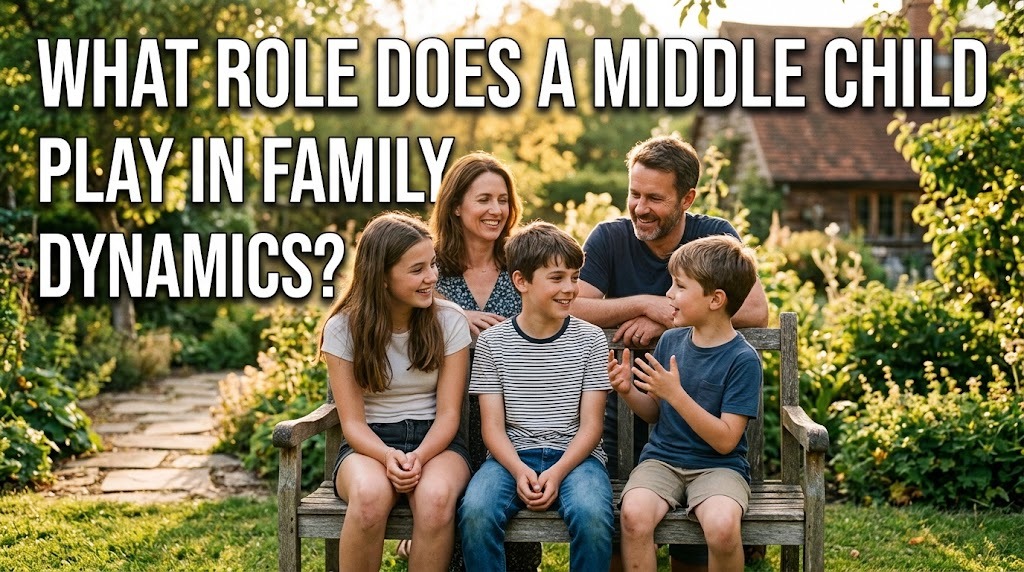
A middle child is often described as the child who grows up between an older and a younger sibling. This position can create a unique experience because the child may receive attention from parents while also learning to share it with siblings. In family dynamics, birth order can influence everyday interactions, expectations, and responsibilities, although it does not determine a person's personality. Some middle children may become skilled at adapting to different situations because they regularly interact with siblings of different ages. Understanding this role can help families recognize the strengths, needs, and challenges that middle children may experience.
THE MIDDLE CHILD AS A FAMILY BRIDGE
One common role of a middle child is becoming a bridge between siblings. Because they have an older sibling and a younger sibling, they may understand different perspectives within the family. This can encourage the development of communication and compromise skills, especially when disagreements happen at home. A middle child may sometimes help reduce tension by listening to both sides or finding a solution that feels fair. However, families should not assume that every middle child naturally wants to act as a mediator.
Middle children can also become comfortable moving between different family roles. They may learn from an older sibling while also helping or guiding a younger sibling. This position can encourage flexibility and cooperation in everyday family life. At the same time, parents should avoid placing excessive responsibility on a middle child simply because they appear adaptable. Healthy family relationships require every child to have space to express feelings without being expected to solve conflicts.
DEVELOPING INDEPENDENCE AND ADAPTABILITY
Middle children may have opportunities to develop independence because parents often divide their attention among several children. They may learn to manage some activities on their own while older siblings receive attention for new responsibilities and younger siblings need additional support. This experience can encourage a child to become adaptable and self-reliant in age-appropriate ways. They may also learn how to adjust their behavior depending on whether they are interacting with an older or younger sibling. These experiences can become useful social skills as they grow.
However, independence should not be confused with having fewer emotional needs. A child who appears capable may still need attention, encouragement, and reassurance from parents. If adults consistently assume that the middle child can handle everything alone, the child may feel overlooked. Parents can support healthy independence by giving the child opportunities to make choices while remaining emotionally available. This balance helps children become confident without feeling that they must manage problems without support.
HANDLING ATTENTION AND FAMILY EXPECTATIONS
Another important part of the middle child's experience is learning how to navigate parental attention. An older sibling may receive attention because of school achievements or new responsibilities, while a younger sibling may receive attention because they require more direct care. As a result, a middle child may sometimes feel that they need to find their own way to be noticed. This does not mean that middle children are always neglected, but differences in family attention can influence how they experience their position. Parents can reduce this problem by recognizing each child's individual achievements and emotional needs.
Family expectations can also affect how a middle child views their place at home. Some parents may unconsciously compare siblings, while others may expect the middle child to be easygoing or independent. Constant comparisons can create unnecessary pressure and make children feel that they must compete for recognition. Instead, parents can focus on each child's unique abilities, interests, and progress. Individual attention helps create a stronger sense of belonging and prevents birth order from becoming a fixed label.
SOCIAL SKILLS THAT MAY DEVELOP OVER TIME
Growing up with siblings can provide middle children with frequent opportunities to practice social interaction. They may learn how to negotiate, share, cooperate, and respond to different personalities within the household. These experiences can strengthen their ability to understand other people's viewpoints and adjust to changing situations. A middle child may also become comfortable participating in groups because family life regularly requires cooperation with others. Still, these outcomes depend on the child's personality, parenting style, and overall family environment.
The skills developed at home can influence relationships outside the family as well. Empathy, negotiation, and cooperation can be useful at school, work, and in friendships. However, birth order alone cannot explain why someone has strong or weak social skills. Children develop through many factors, including temperament, parenting, culture, relationships, and personal experiences. Therefore, being a middle child should be viewed as one possible influence rather than a complete explanation of behavior.
CHALLENGES A MIDDLE CHILD MAY EXPERIENCE
Despite potential strengths, some middle children may experience challenges related to recognition and identity. They might compare themselves with an older sibling who receives praise for achievements or a younger sibling who receives attention for being the youngest. In some families, this can make a child feel that their accomplishments are less noticeable. A middle child may also struggle to establish a distinct identity when siblings have already taken certain roles or interests. Supportive parenting can help children understand that they do not need to compete with siblings to have value.
Another possible challenge is the pressure to maintain peace within the household. If a middle child frequently becomes the person who settles disagreements, they may feel responsible for keeping everyone happy. This can become unhealthy when the child feels unable to express their own frustration or disagreement. Parents should make it clear that conflict resolution is an adult responsibility when situations become too difficult for children. Giving middle children permission to have their own feelings and boundaries can support healthier emotional development.
HOW PARENTS CAN SUPPORT A MIDDLE CHILD?
Parents can support a middle child by providing individual attention instead of focusing only on the needs that appear most urgent. Simple activities such as talking privately, sharing an interest, or recognizing personal achievements can help the child feel valued. It is also important to avoid comparing siblings or describing one child as more responsible, intelligent, or successful than another. Each child should have opportunities to develop their own interests and receive age-appropriate responsibilities. These practices can create a family environment where birth order does not determine a child's importance.
Parents should also listen when a middle child expresses feelings of being overlooked or treated differently. Rather than immediately dismissing those feelings, adults can ask questions and try to understand what the child is experiencing. Encouraging open communication allows children to discuss problems before they become larger sources of resentment. At the same time, parents should avoid assuming that every middle child has the same emotional experience. The most effective support comes from paying attention to the individual child rather than relying on birth-order stereotypes.
CONCLUSION
Birth order can influence family experiences, but it should not be treated as a strict explanation for personality. Research on birth order has produced mixed findings, and factors such as parenting, genetics, socioeconomic conditions, culture, and individual experiences can have substantial effects on development. Two middle children from different families can therefore have very different personalities and relationships with their siblings. One may be outgoing and highly social, while another may be quiet and independent. Both experiences can be completely normal.
The most useful way to understand the middle child role is to consider birth order as part of a larger family system. A child's position can shape opportunities, expectations, and interactions, but it does not determine their future. Healthy family relationships are built when parents recognize individual differences and provide fair emotional support. Middle children can benefit from their unique position while still needing the same sense of security and acceptance as their siblings. By understanding these differences, families can create an environment in which every child feels seen, respected, and valued.
About the Author
Gusti Ayu Tita P
Author — STEKOM University
An active author focused on academic issues, educational technology, and human resource development in the campus environment.















