
What Safety Rules Should You Follow at a Gas Station?
Gusti Ayu Tita P
17 September 2026
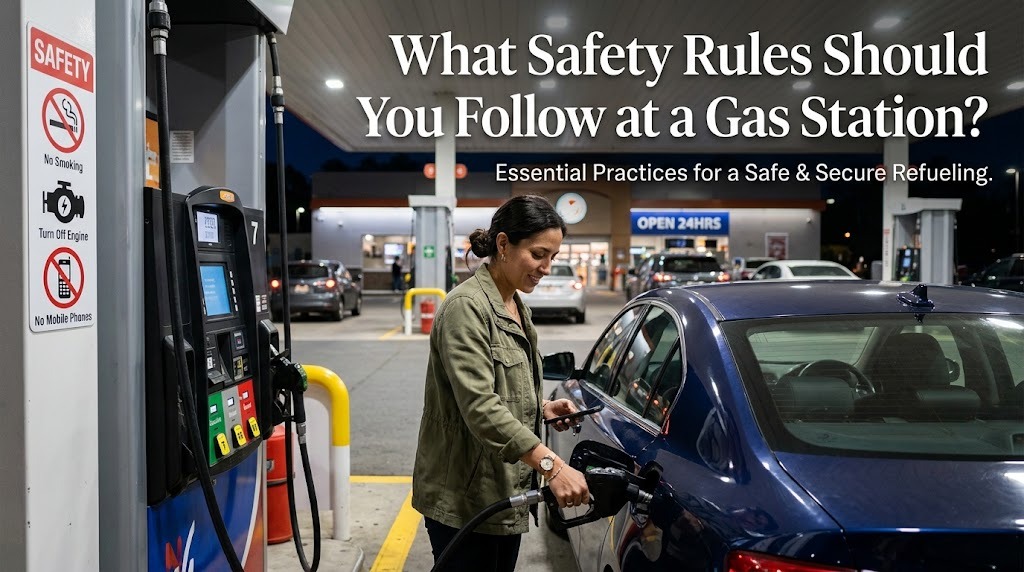
Gas stations are essential places for drivers who need to refuel their vehicles, but they also require careful attention to safety procedures. Fuel is highly flammable, so careless actions can increase the risk of fire, spills, or other accidents. Drivers should understand and follow the rules provided by the gas station before and during refueling. Simple habits such as turning off the engine, avoiding smoking, and following staff instructions can make a significant difference. By practicing proper safety behavior, drivers can refuel their vehicles safely, efficiently, and responsibly.
TURN OFF THE ENGINE BEFORE REFUELING
One of the most important safety rules at a gas station is to turn off the vehicle engine before refueling. A running engine contains electrical and mechanical components that can potentially provide sources of ignition, although the overall risk depends on the circumstances. Turning the engine off also prevents unnecessary fuel consumption while the vehicle is stationary. Drivers should make sure the vehicle is fully stopped and secured before opening the fuel tank. This simple step helps create a safer environment for both the driver and other people at the station.
Drivers should also follow any instructions displayed at the fuel pump. Once the engine is turned off, avoid restarting it until refueling has been completely finished and the fuel nozzle has been returned properly. Motorcycle riders should also stop their engines before fuel is dispensed. If a station employee is assisting with refueling, customers should follow the employee's safety directions. Consistent compliance with these procedures helps reduce avoidable risks around fuel.
AVOID SMOKING AND SOURCES OF IGNITION
Gasoline and many other vehicle fuels produce flammable vapors, making sources of ignition particularly dangerous around fuel dispensers. Smoking should therefore be avoided in the fueling area, and drivers should never intentionally bring flames or other ignition sources close to a fuel pump. Electronic devices should also be handled according to the gas station's posted rules and staff instructions. Although modern mobile phones are not generally considered a typical ignition source during normal use, avoiding unnecessary distractions around fuel remains a sensible safety practice. Drivers should focus on the refueling process and follow the station's specific requirements.
Static electricity is another issue that requires attention. Drivers should avoid actions that can unnecessarily increase static discharge risks while handling the fuel nozzle. It is also important not to get back into the vehicle during refueling unless necessary, because contact with the vehicle can contribute to static electricity concerns in certain conditions. If a person does get back inside, they should follow the station's safety instructions before touching the fuel nozzle again. These precautions help minimize potential fire hazards in the fueling area.
HANDLE FUEL AND EQUIPMENT CAREFULLY
Drivers should handle the fuel nozzle carefully and select the correct fuel before starting the pump. The nozzle should remain properly positioned in the vehicle's fuel filler during dispensing to reduce the possibility of spills. Customers should never attempt to force equipment that appears damaged or malfunctioning. If fuel spills, the driver should immediately stop dispensing and notify the gas station staff. Station employees are trained to manage spills and can take appropriate steps to keep the area safe.
Drivers should also avoid overfilling the fuel tank. Modern fuel systems are designed to accommodate normal filling procedures, and repeatedly adding fuel after the pump automatically stops can increase the possibility of spills. Fuel should never be transferred into unsuitable containers or handled in ways that violate local safety requirements. If a fuel container is necessary, it should be specifically designed and approved for fuel storage and handled according to applicable regulations. Careful handling protects the vehicle, the driver, and other customers.
FOLLOW TRAFFIC AND STATION RULES
Gas stations can become busy, especially during holidays, weekends, and peak travel periods. Drivers should follow traffic markings, enter and leave through designated areas, and maintain a safe speed inside the station. Vehicles should be parked or positioned correctly at the assigned pump rather than blocking other customers. Drivers should also respect queues and allow other vehicles enough space to maneuver. Following these basic rules helps prevent collisions and keeps the fueling area organized.
Parents and guardians should pay particular attention to children near fuel pumps. Children should remain supervised and away from fuel dispensers, hoses, and moving vehicles. Drivers should also be alert to pedestrians, motorcycles, and employees working around the station. If an emergency occurs, customers should follow staff instructions and move to a safe location when directed. Good awareness is especially important because several vehicles and people may be moving through the same limited space.
RESPOND PROPERLY TO EMERGENCIES
Knowing what to do during an emergency is an important part of gas station safety. If a fire, major fuel spill, equipment failure, or other dangerous situation occurs, customers should stop refueling immediately if it is safe to do so. They should alert station staff and follow emergency instructions rather than attempting to handle a serious incident themselves. Emergency equipment such as fire extinguishers should only be used by people who are trained and able to do so safely. If evacuation is necessary, customers should move away from the affected area without creating additional hazards.
If fuel gets onto the skin or clothing, the affected person should move away from ignition sources and follow appropriate first aid or station guidance. Fuel-contaminated clothing should be handled carefully because vapors can remain flammable. In a serious emergency, contacting the appropriate emergency services may be necessary. Drivers should never ignore warning signs, unusual fuel leaks, strong persistent fuel odors, or damaged equipment. Prompt reporting allows trained personnel to respond before a small problem becomes a larger safety incident.
CONCLUSION
Following gas station safety rules is essential whenever a vehicle is being refueled. Drivers should turn off the engine, avoid smoking and ignition sources, handle fuel equipment carefully, and follow station traffic regulations. They should also pay attention to children, pedestrians, employees, and other vehicles in the area. When a spill or emergency occurs, the safest response is to stop the activity when possible, notify station staff, and follow established emergency procedures. By maintaining safe refueling habits, drivers can reduce avoidable risks and help create a safer environment for everyone at the gas station.
About the Author
Gusti Ayu Tita P
Author — STEKOM University
An active author focused on academic issues, educational technology, and human resource development in the campus environment.















