
What Should Heirs Know About Death Certificate Registration?
Gusti Ayu Tita P
14 September 2026
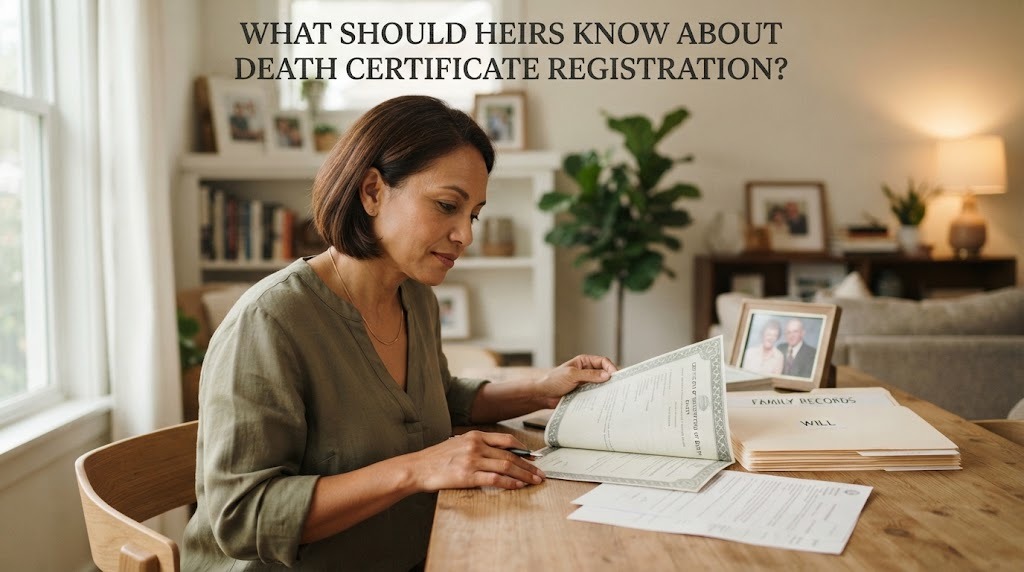
A death certificate is an official document that records a person's death in the civil registration system. For heirs, this document can be important when handling inheritance, bank accounts, insurance, property, and other administrative matters. The document provides official evidence that the person has passed away. It also helps government records remain accurate by updating the deceased person's population data. Therefore, heirs should understand the registration process instead of delaying it.
WHO CAN REGISTER A DEATH?
Death registration is generally handled by a family member or another person who has information about the death, depending on the applicable administrative rules. The person reporting the death may need to provide identification and documents related to the deceased. In some situations, a hospital, village office, or other authorized institution may also provide supporting documentation. Heirs should check the requirements of the local civil registration office before submitting the application. This can help prevent delays caused by incomplete documents.
WHAT DOCUMENTS SHOULD HEIRS PREPARE?
Heirs should prepare the deceased person's identification and family documents, along with a death statement or other supporting evidence of death. Additional documents may be required depending on the circumstances and local registration procedures. If the death occurred in a hospital or healthcare facility, documentation from the facility can be useful for the registration process. The reporting person's identification may also be requested. Preparing these documents in advance can make the process more efficient.
WHY IS REGISTRATION IMPORTANT FOR INHERITANCE MATTERS?
A registered death certificate can serve as important supporting evidence when heirs begin dealing with inheritance-related administration. It may be needed when processing ownership transfers, closing or changing financial accounts, handling insurance claims, or completing other legal procedures. However, a death certificate does not by itself determine who is legally entitled to inherit property. Heirs may still need other documents, such as family records, inheritance statements, wills, or property documents, depending on the case. Understanding this distinction can help families avoid confusion during the inheritance process.
WHAT SHOULD HEIRS DO IF THE DATA IS INCORRECT?
Heirs should carefully check the information on the death certificate after it is issued. Names, dates of birth, dates of death, and other identity information should match the supporting population documents. If an error is discovered, the family should contact the relevant civil registration authority to ask about the correction procedure. Supporting documents may be required to prove the correct information. Handling errors promptly is important because incorrect data can create difficulties when the family manages other administrative matters.
CONCLUSION
Heirs should understand that death certificate registration is an important part of completing a deceased person's civil administration. The process usually requires supporting documents that establish the identity and death of the deceased. A death certificate can also support various inheritance and financial procedures, although it is not the only document required to settle an inheritance. Heirs should register the death promptly and verify the information carefully. When requirements are unclear, contacting the local civil registration authority is the safest way to obtain accurate guidance.
About the Author
Gusti Ayu Tita P
Author — STEKOM University
An active author focused on academic issues, educational technology, and human resource development in the campus environment.















