What Should You Bring to a Job Fair?
Gusti Ayu Tita P
27 Agustus 2026
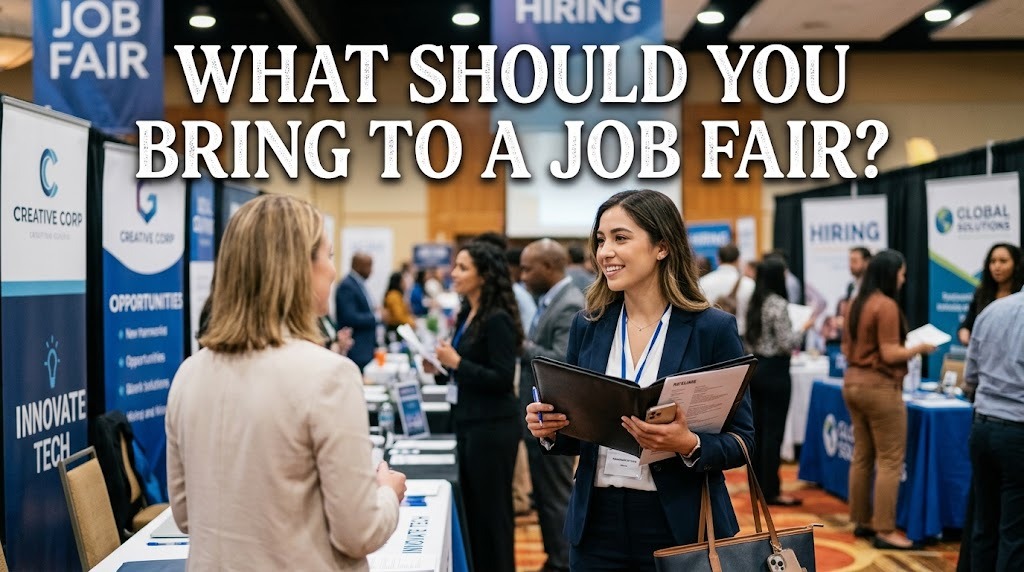
Attending a job fair can give job seekers a valuable opportunity to meet recruiters, learn about job openings, and apply for positions directly. However, going to a job fair without the right preparation can make the experience less effective. Bringing the right documents and personal items helps you stay organized and ready for unexpected recruitment opportunities. Good preparation can also make you appear more professional and confident.
Whether you are a student, fresh graduate, or experienced professional, it is important to prepare your materials before the event. A professional resume, portfolio, identification, writing tools, and a charged smartphone are some useful items to bring. You should also check the event requirements because some job fairs may use online registration instead of printed applications.
BRING SEVERAL COPIES OF YOUR RESUME
A resume is one of the most important things to bring to a job fair. Prepare several updated copies in case you meet multiple companies that accept applications directly. Make sure your education, work experience, skills, certifications, projects, and contact information are accurate. The resume should be clean, easy to read, and relevant to the positions you want to apply for. Avoid bringing an outdated resume with incorrect information.
If you are interested in different types of jobs, consider preparing different resume versions. Each version can emphasize skills and experiences that match a specific position. Keep a digital copy on your smartphone or cloud storage as well. Some recruiters may ask you to submit your resume through email, an online form, or a QR code. Having both printed and digital versions gives you more flexibility.
PREPARE A PROFESSIONAL PORTFOLIO
A portfolio can be very useful for candidates whose abilities are best demonstrated through actual work. Designers, writers, programmers, photographers, marketers, video editors, and other creative professionals can use portfolios to show their skills. Choose several strong examples that are relevant to the jobs you are targeting. Avoid filling the portfolio with every project you have ever completed. Quality and relevance are more important than quantity.
Your portfolio can be presented as a PDF, personal website, or professional online profile. Make sure every link works before attending the event. If your portfolio is digital, save an offline copy in case the internet connection is unreliable. Be prepared to explain your role and contribution in each important project. This can help recruiters understand not only what you created but also how you worked.
BRING IDENTIFICATION AND SUPPORTING DOCUMENTS
A valid identification document may be useful for registration or recruitment administration. Depending on the company and position, you may also need supporting documents such as academic records, certificates, or other qualifications. Check the job fair announcement and individual job requirements before deciding what to bring. Not every employer will request the same documents. Preparing them in advance can prevent unnecessary delays.
Whenever possible, keep copies or digital versions of important documents. Do not hand over original certificates or identification documents unless they are specifically required and the process is legitimate. Store your documents in a secure folder to prevent them from being damaged or lost. Organizing your documents also makes it easier to respond when a recruiter asks for additional information. Good document management can support a professional impression.
BRING A NOTEBOOK AND PEN
A small notebook and pen can be surprisingly useful during a job fair. You may need to write down information about job positions, application procedures, recruitment deadlines, or recruiter instructions. After speaking with several companies, it can become difficult to remember every detail. Taking brief notes helps you keep each opportunity organized. It can also make your follow up process easier after the event.
You can also use your smartphone to take notes if you prefer a digital method. However, using a notebook can be more practical when your phone battery is low or when you want to avoid unnecessary phone use during conversations. Keep your notes short and focus on important information. Do not spend so much time writing that you stop engaging with the recruiter. Active listening should remain your priority.
BRING A CHARGED SMARTPHONE
A smartphone is increasingly important at modern job fairs because many recruitment processes are digital. Companies may use QR codes for registration, online application forms, digital resumes, or professional networking platforms. Make sure your phone is fully charged before leaving home. A power bank can provide additional security if you will attend the event for several hours. Check that your internet connection and email account are working properly.
Keep important files accessible on your device. Your resume, portfolio, certificates, and other relevant documents should be easy to find. You should also be able to access your professional profile if a recruiter asks for it. Avoid using your phone unnecessarily while speaking with recruiters. Put your attention on the conversation and use your phone mainly when it supports the recruitment process.
PREPARE YOUR EMAIL AND PROFESSIONAL PROFILE
A professional email address is essential when applying for jobs. Make sure you can access your email account and that your inbox is not so full that important recruitment messages could be missed. Your email address should look professional and be easy for recruiters to identify. You should also check that your professional online profile contains accurate and updated information. Ideally, your profile should be consistent with the experience listed on your resume.
Before attending the job fair, review your online presence as well. Remove or adjust information that could create an unprofessional impression when appropriate. Highlight relevant skills, projects, achievements, and experiences on professional platforms. If recruiters search for your name after meeting you, an organized professional profile can reinforce your first impression. Digital preparation is now an important part of job searching.
BRING A SUITABLE BAG AND DOCUMENT FOLDER
A practical bag can help you keep your job fair materials organized. Choose one that can comfortably hold resumes, supporting documents, a notebook, a smartphone, and personal essentials. A document folder is useful for keeping resumes clean and preventing them from becoming folded or damaged. If you visit several companies, separate documents carefully so that you do not accidentally submit the wrong resume. Good organization can save time throughout the event.
Avoid bringing unnecessary items that make the bag heavy or difficult to carry. You may need to walk around the venue for several hours, so comfort matters. Keep important documents in a secure location where they can be accessed quickly. If you receive brochures or recruitment materials, store them separately from your personal documents. This simple system makes it easier to review everything after the event.
WEAR CLEAN AND PROFESSIONAL CLOTHING
Clothing is not something you pack in your job fair bag, but it is an important part of what you should prepare. Choose an outfit that is clean, neat, comfortable, and appropriate for a professional environment. Business casual or formal clothing is generally a safe option when there is no specific dress code. Avoid clothing that is excessively casual or distracting. Your appearance should support a positive first impression.
Comfort is also important because job fairs can involve long periods of walking and standing. Choose comfortable shoes and clothing that allows you to move easily. Keep accessories simple and appropriate for the event. Good grooming also contributes to a professional appearance. When you feel comfortable and prepared, you are more likely to communicate confidently with recruiters.
CHECK THE JOB FAIR REQUIREMENTS
Before attending, carefully read the official information provided by the event organizer. Check whether registration is required and whether participants need to bring specific documents. Some events may require an electronic registration code, identification, or other materials. Others may have certain rules regarding resumes, interviews, or access to particular recruitment areas. Knowing these requirements can prevent avoidable problems.
Create a simple preparation checklist before leaving home. Include your resume, portfolio, identification, supporting documents, pen, notebook, smartphone, charger or power bank, and other required items. Check everything the night before and again before leaving. This takes only a few minutes but can reduce unnecessary stress. Being prepared allows you to focus more on meeting employers and finding suitable opportunities.
CONCLUSION
Knowing what to bring to a job fair can make the entire experience more organized and productive. Essential items include updated resumes, a relevant portfolio, identification, supporting documents, a notebook, a pen, and a fully charged smartphone. A practical bag and document folder can also help you protect and organize your materials.
However, successful job fair participation is not only about bringing the right items. You should also research companies, understand available positions, practice your introduction, and communicate professionally with recruiters. Check the event requirements in advance and prepare both printed and digital documents when appropriate. With the right preparation, you can make better use of every opportunity to connect with potential employers.
About the Author
Gusti Ayu Tita P
Author — STEKOM University
An active author focused on academic issues, educational technology, and human resource development in the campus environment.