What Should You Consider When Traveling To An Island?
Gusti Ayu Tita P
23 September 2026
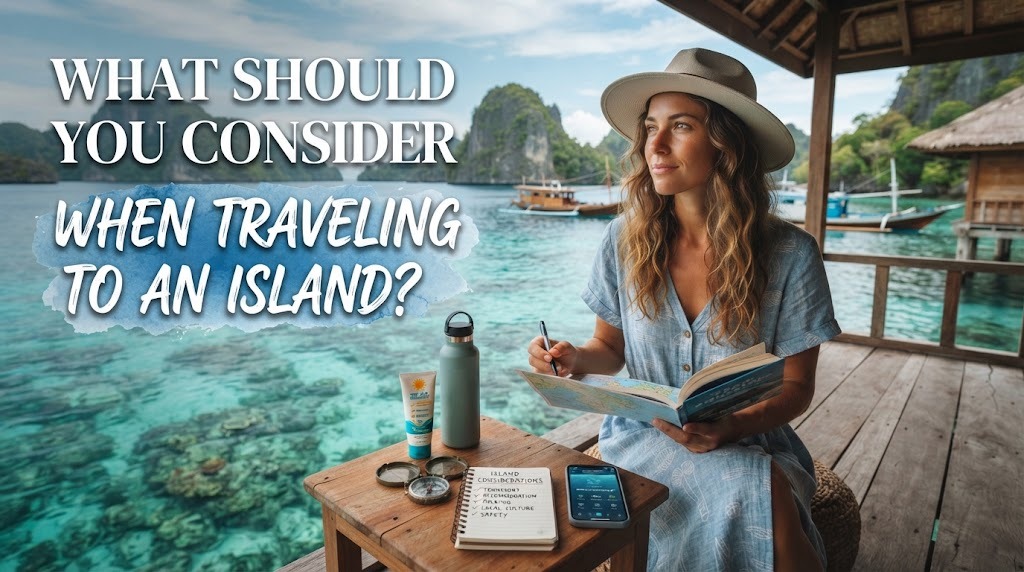
Traveling to an island can be an exciting experience because it offers beautiful beaches, unique nature, and relaxing surroundings. However, island travel often requires more preparation than a regular trip. Transportation, weather, accommodation, and available facilities can be different from those in large cities. By planning carefully, travelers can enjoy their island vacation more comfortably and safely.
CHECK THE WEATHER AND SEASON
Weather is one of the most important things to consider before traveling to an island. Check the weather forecast and local climate before deciding when to go. Rain, strong winds, and high waves can affect boat schedules and outdoor activities. A suitable season can make it easier to enjoy beaches, snorkeling, sightseeing, and other activities.
Weather conditions can also change during the day, especially in coastal areas. Do not rely only on old travel photos or general assumptions about the destination. Check updated information before leaving and continue monitoring conditions during the trip. Good weather planning can help reduce travel disruptions and improve safety.
PLAN YOUR TRANSPORTATION
Transportation should be planned carefully because many islands can only be reached by boat, ferry, or airplane. Check the departure times, ticket requirements, travel duration, and luggage rules before traveling. If a boat is necessary, find out where the port is located and how to reach it from your starting point. Arriving early can help you avoid missing your scheduled departure.
Travelers should also consider transportation on the island itself. Some destinations may have taxis, buses, rental vehicles, bicycles, or local transportation, while others may have limited options. Ask about transportation costs and availability before making your itinerary. Understanding the transportation system can make island travel much smoother.
CHOOSE SUITABLE ACCOMMODATION
Accommodation can greatly affect your comfort during an island trip. Choose a place that fits your budget, location, facilities, and travel needs. Check whether the accommodation provides important facilities such as clean water, electricity, internet access, and food options. Reading recent guest information can also help you understand what to expect.
Location is another important factor. Staying close to the beach may be convenient for marine activities, while accommodation near transportation points can make moving around easier. If you are traveling with family, check whether the room and facilities are suitable for everyone. Comfortable accommodation can help you rest properly after a busy day.
PREPARE ESSENTIAL ITEMS
Island trips may require travelers to bring some items that are not always necessary for city travel. Prepare light clothing, sunscreen, sunglasses, a hat, comfortable footwear, and drinking water. A waterproof bag can protect important belongings from water and humidity. It is also useful to bring personal medicines and basic first aid supplies when needed.
Do not forget important documents, payment methods, and phone chargers or power banks. Some islands may have limited shops or services, so buying essential items before departure can be helpful. However, avoid carrying excessive luggage if you need to use boats or walk long distances. Smart packing can make the journey more comfortable.
CHECK AVAILABLE FACILITIES
Before visiting an island, learn about the facilities available at the destination. Check whether there are restaurants, shops, medical services, ATMs, communication networks, and transportation services. Remote islands may have fewer facilities than popular tourist destinations. Knowing these limitations can help you prepare properly.
Travelers should also find out whether certain services operate only at specific times. Internet access and electricity may be limited in some locations, so it can be useful to prepare for temporary interruptions. If you need special facilities, contact your accommodation before traveling. Knowing the available facilities can prevent unexpected difficulties.
RESPECT LOCAL PEOPLE AND NATURE
Travelers should respect the local community and environment when visiting an island. Follow local rules, cultural customs, and environmental regulations during your stay. Avoid throwing waste into the ocean or leaving rubbish on beaches. When visiting marine areas, do not touch coral reefs or disturb wildlife.
Supporting local businesses can also contribute to the island community. Travelers can buy appropriate local products, eat at local restaurants, or use services provided by local residents. Treating people and nature respectfully helps create a positive travel experience. Responsible tourism can also help protect the destination for future visitors.
CONCLUSION
Traveling to an island can be enjoyable when travelers prepare for the unique conditions of the destination. Important factors include weather, transportation, accommodation, essential items, facilities, and local regulations. Planning these aspects in advance can reduce unexpected problems during the journey. Travelers should also respect local communities and protect the natural environment. With careful preparation and responsible behavior, an island trip can become a comfortable and memorable experience.
About the Author
Gusti Ayu Tita P
Author — STEKOM University
An active author focused on academic issues, educational technology, and human resource development in the campus environment.