What Should You Do If You Become a Victim of an Illegal Online Loan?
Gusti Ayu Tita P
24 Agustus 2026
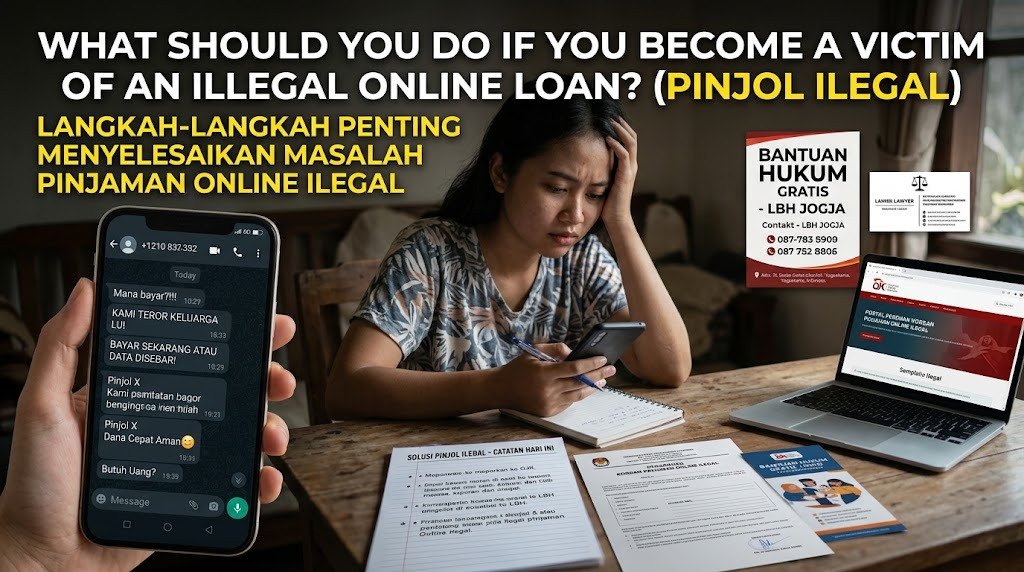
Becoming a victim of an illegal online loan can create serious financial and personal problems. Victims may face unclear charges, aggressive collection, misuse of personal information, or threats through phone calls and messaging applications. In this situation, panic can make it harder to decide what to do next. Therefore, victims need to take practical steps to protect themselves and document what happened.
The most important thing is to stop interacting carelessly with the illegal lender and secure personal and financial information. Victims should also preserve evidence and use appropriate official reporting channels. Acting carefully can help reduce additional risks and make the reporting process easier.
STAY CALM AND DO NOT PANIC
The first step after realizing that you are dealing with an illegal lender is to remain calm. Scammers may deliberately use pressure, threats, or urgent messages to make victims act without thinking. Panic can cause victims to transfer additional money or reveal more personal information.
Take time to understand the situation and gather the available evidence. Do not immediately follow instructions from unknown people who claim they can solve the problem. Avoid making financial decisions under pressure. A calm approach can help you determine the safest next step.
STOP PROVIDING ADDITIONAL PERSONAL DATA
If you have already applied for an illegal online loan, avoid giving the lender additional personal information. Do not send passwords, PINs, OTP codes, bank account credentials, or other confidential security information.
If the lender requests additional documents through suspicious channels, verify the situation before responding. Protect your email, banking, and other financial accounts. Personal information can be misused even after the lending transaction has ended.
SAVE ALL EVIDENCE
One of the most important things a victim can do is collect and preserve evidence of the illegal lending activity. Save screenshots of the application, loan offer, payment requests, conversations, phone numbers, website addresses, and other relevant information.
Also save transaction receipts if you have transferred money. Write down a simple chronology of events, including when you applied, how much money was received, what payments were requested, and how the lender communicated with you. Complete evidence can support complaints and reports.
CHECK YOUR FINANCIAL ACCOUNTS
If you have shared financial information with an illegal lender, monitor your bank accounts and other financial accounts for unusual activity. Look for transactions that you do not recognize or changes to your account information.
If you suspect that an account or payment instrument has been compromised, contact the relevant financial institution through its official channel. Follow its security procedures and change credentials when appropriate. Act quickly if you notice suspicious transactions.
DO NOT SHARE OTP OR PASSWORDS
Illegal lenders or scammers may pretend to be customer service representatives and request OTP codes, passwords, PINs, or verification codes. Never provide these credentials to anyone.
Legitimate financial institutions generally have specific security procedures, and consumers should independently verify any suspicious request. If someone asks for confidential credentials through WhatsApp, SMS, or telephone, stop the conversation and contact the relevant institution through an official channel. Security codes should remain private.
DOCUMENT THREATS AND HARASSMENT
If you receive threatening messages, harassment, or aggressive collection attempts, save the evidence. Take screenshots of messages and record relevant phone numbers, dates, and times. Do not delete important communications before preserving copies.
Avoid responding emotionally to threatening messages. If the communication involves serious threats or suspected criminal activity, consider reporting it to the appropriate law enforcement authority. Threats should be documented rather than ignored.
VERIFY THE LENDER'S LEGAL STATUS
Check whether the lender has the appropriate legal status under OJK's authority. Use official OJK information rather than documents, screenshots, or claims provided by the lender.
Some illegal lenders may use the OJK logo or imitate the identity of legitimate companies. Compare the exact company name and other details with official information. An OJK logo displayed on an application does not prove legality.
REPORT THE ILLEGAL LENDER TO OJK
Victims can use official OJK channels to seek information or report suspected illegal financial services within OJK's authority. Prepare the evidence you have collected before submitting the report.
Include important information such as the application name, company identity, website, phone numbers, payment instructions, and a description of the incident. Clear and factual information can make a report more useful. Always use current official contact information when making a report.
CONSIDER REPORTING CRIMINAL ACTIVITY
If the case involves fraud, threats, extortion, unauthorized access, or other suspected criminal activity, reporting to the appropriate law enforcement authority may also be necessary. OJK and law enforcement agencies have different responsibilities.
Keep copies of all reports and supporting evidence. If you have suffered financial losses, preserve transaction records showing where the money was sent. Do not assume that one report automatically covers every aspect of the incident.
DO NOT PAY PEOPLE WHO PROMISE TO RECOVER YOUR MONEY
Victims of illegal online loans can become targets of another type of scam. Someone may claim to be able to remove the debt, stop collection, or recover lost money if you pay an upfront fee.
Be extremely cautious with these offers. Verify the person's identity through an official source before taking any action. Never send money or confidential account information to an unknown person promising guaranteed recovery.
TELL TRUSTED PEOPLE ABOUT THE SITUATION
Victims may feel embarrassed or afraid to tell other people about an illegal online loan. However, informing a trusted family member or person you rely on can help you avoid making decisions under pressure.
If the illegal lender contacts people around you, explain that the situation has been documented and is being handled through appropriate channels. Encourage them not to provide personal information or transfer money to anyone claiming to represent you. Communication can reduce confusion and prevent further problems.
BE CAREFUL WITH NEW LOANS
After becoming a victim, avoid taking another online loan simply to pay an existing illegal lender. This can create additional financial pressure and potentially lead to a cycle of debt.
Review your actual financial situation and prioritize essential expenses. If you need financial assistance, consider seeking information from legitimate financial institutions or qualified financial advisers. Do not solve one financial problem by creating another.
SECURE YOUR DIGITAL ACCOUNTS
If you suspect that your personal information has been exposed, strengthen the security of your email, banking applications, social media, and other important accounts. Change passwords where necessary and use strong, unique credentials.
Enable available security features such as multi-factor authentication. Review active sessions and remove access that you do not recognize. Digital security is especially important after personal information has been shared with an unknown party.
CONCLUSION
If you become a victim of an illegal online loan, focus first on protecting yourself and preventing additional losses. Stop providing sensitive information, secure financial accounts, preserve evidence, and document any threats or inappropriate collection practices.
Then verify the lender's status and use official OJK reporting channels for suspected illegal financial services. If the case involves suspected criminal activity, consider reporting it to the appropriate law enforcement authority as well. Most importantly, do not let fear or pressure lead you into sending more money or sharing confidential information.
About the Author
Gusti Ayu Tita P
Author — STEKOM University
An active author focused on academic issues, educational technology, and human resource development in the campus environment.