
What Should You Know Before Applying Electronic Stamp Duty?
Gusti Ayu Tita P
22 Agustus 2026
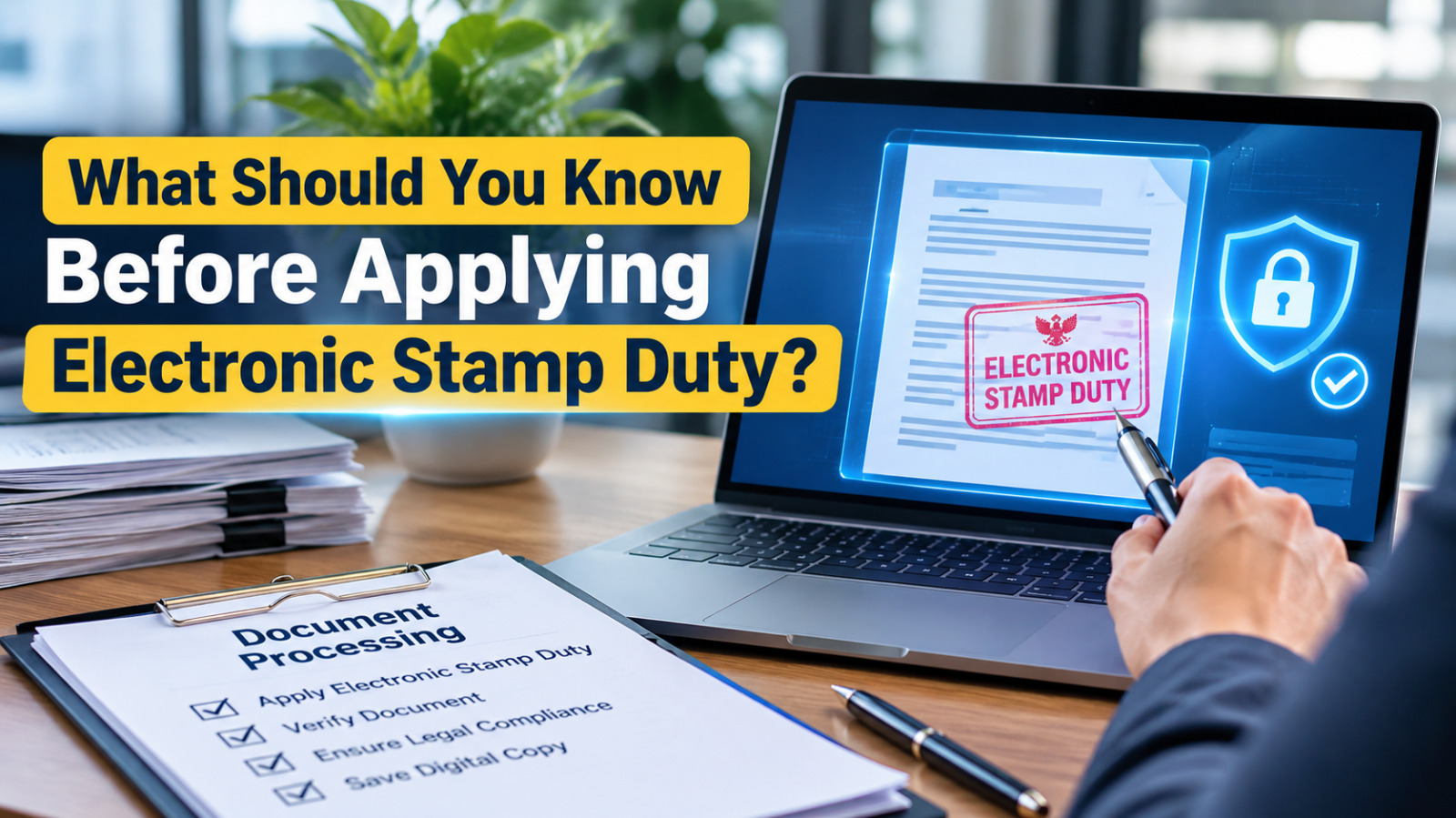
Electronic stamp duty, commonly known as e-Meterai in Indonesia, is designed to support the payment of stamp duty on eligible electronic documents. As more administrative activities move online, understanding how electronic stamp duty works can help individuals and businesses avoid mistakes when preparing important documents. The process may look simple, but users still need to understand which documents are subject to stamp duty, when it becomes payable, and how to apply it correctly. In Indonesia, the current fixed stamp duty rate is Rp10,000 per document for documents subject to stamp duty.
UNDERSTANDING ELECTRONIC STAMP DUTY
Electronic stamp duty is an electronic form of stamp duty used to pay tax on eligible electronic documents. It is intended for documents that are created or used digitally, including certain civil documents and documents that may serve as evidence in court. The electronic stamp contains security features, including a unique code, the Garuda Pancasila symbol, the words indicating electronic stamp duty, and the applicable value.
However, an electronic stamp duty should not be viewed as a replacement for every requirement related to a document. Whether a document requires stamp duty depends on the applicable rules and the nature and use of the document. For example, certain agreements, statements, notarial documents, securities, auction documents, and documents concerning certain monetary amounts can be subject to stamp duty. Understanding the document category before applying the stamp can prevent unnecessary payments or administrative errors.
CHECK WHETHER YOUR DOCUMENT REQUIRES STAMP DUTY
Before applying an electronic stamp, users should first determine whether the document is actually subject to stamp duty. Indonesian regulations generally apply stamp duty to documents that describe civil-law events and certain documents used as evidence in court. One example is an agreement or statement document, while a document stating the receipt of money or acknowledgment of debt can also be subject to stamp duty when it meets the applicable requirements.
This step is important because not every digital file automatically requires an electronic stamp. A simple internal document, draft, or file that does not fall within the applicable taxable document categories may not need one. Users should therefore examine the purpose and content of the document rather than adding an electronic stamp simply because the file is digital. When the legal or tax position is unclear, checking current guidance from the Directorate General of Taxes or an appropriate professional can help avoid incorrect treatment.
USE AN OFFICIAL ELECTRONIC STAMP SERVICE
One of the most important things to check before applying an electronic stamp is the source from which it is obtained. Official electronic stamps contain security features intended to help establish their authenticity and are distributed through authorized channels. PERURI states that its electronic stamp is an official state stamp produced under the government framework for electronic stamp duty.
Users should be careful with websites or sellers that claim to provide electronic stamps without clear authorization. Buying from an unreliable source can create problems when a document needs to be verified. Official information from PERURI has also identified authorized distributors for electronic stamp sales. Therefore, checking the provider before purchasing is an important part of secure document processing.
PREPARE THE ELECTRONIC DOCUMENT CORRECTLY
The document should be prepared carefully before the electronic stamp is applied. Users should check the document format, content, names, dates, signatures, and other important information so that the final file does not contain avoidable errors. It is also wise to make sure that the document has reached its final version before applying the stamp because changes made afterward may affect the document workflow.
The electronic stamp is applied through an electronic stamp system rather than by physically printing and attaching a stamp. Official guidance describes the process as purchasing the required electronic stamp and then applying it to the eligible electronic document through the relevant system. Once the document has been processed successfully, users should save the resulting file carefully and avoid unnecessary modifications that could interfere with document integrity.
KNOW THE DIFFERENCE BETWEEN STAMP DUTY AND DOCUMENT VALIDITY
An important point is that stamp duty and the legal validity of a document are not the same thing. Stamp duty is a tax imposed on certain documents, while the validity of an agreement can depend on other legal requirements, such as the agreement of the parties and the applicable legal conditions. Applying an electronic stamp does not automatically make an otherwise defective agreement valid.
This distinction is especially important for digital contracts and business agreements. Companies should ensure that contracts contain the necessary terms, are approved by the appropriate parties, and use suitable electronic signing procedures when required. The electronic stamp should be treated as part of the document's tax and administrative requirements rather than as the only factor determining whether the agreement is legally enforceable.
AVOID COMMON MISTAKES BEFORE APPLYING THE STAMP
Several simple mistakes can make electronic document processing less efficient. Common problems include applying a stamp to the wrong document, using an unauthorized source, uploading an incorrect version, or failing to check whether the document is actually subject to stamp duty. Users should also carefully review the placement and final appearance of the electronic stamp before sending the document to another party.
A good practice is to create a short pre-application checklist. Confirm the document category, prepare the final file, use an official service, purchase the appropriate stamp, apply it according to the system instructions, and save the completed document securely. These steps can reduce administrative errors and make digital document management more organized. As businesses increasingly rely on electronic documents, careful preparation can make the use of electronic stamp duty faster, safer, and more practical.
CONCLUSION
Electronic stamp duty provides a practical way to fulfill stamp duty requirements for eligible electronic documents without relying on physical paper. Before applying it, users should understand whether the document is taxable, use an official source, prepare the final document, and follow the correct application process. It is also essential to remember that an electronic stamp does not by itself determine the legal validity of an agreement. By understanding these points, individuals and businesses can manage digital documents more accurately and reduce unnecessary administrative problems.
About the Author
Gusti Ayu Tita P
Author — STEKOM University
An active author focused on academic issues, educational technology, and human resource development in the campus environment.















