What Should You Pack for an International Trip?
Gusti Ayu Tita P
17 September 2026
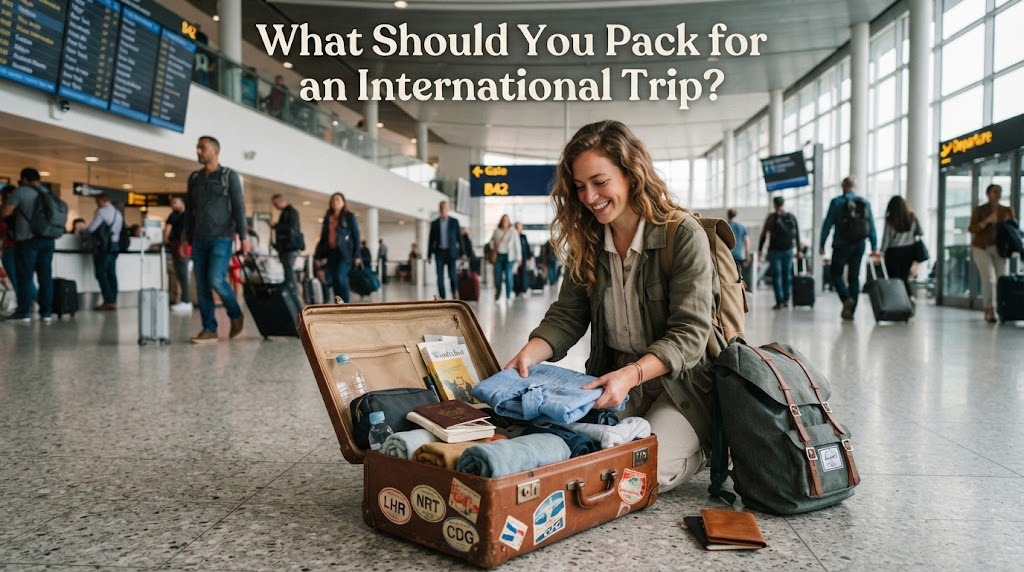
Packing for an international trip requires careful preparation because travelers may face different weather, transportation systems, currencies, and travel rules. Bringing too many items can make your luggage heavy, while forgetting essential items can cause problems during the journey. A simple packing checklist can help you prepare more efficiently. The key is to bring useful items that match your destination, trip length, and planned activities.
PREPARE IMPORTANT TRAVEL DOCUMENTS
Travel documents are among the most important things to pack for an international trip. Your passport should always be easy to access because you may need it during airport and immigration checks. If your destination requires a visa, bring the necessary visa documents as well. You should also keep flight tickets, accommodation details, travel insurance documents, and other important information available.
Make digital copies of essential documents and store them securely on your phone or cloud storage. Physical copies can also be useful as backups. Keep your original passport and other important documents in your carry-on bag rather than checked luggage. Before leaving, check passport validity and entry requirements for your destination.
BRING MONEY AND PAYMENT METHODS
Bring some local currency for small purchases and situations where cards may not be accepted. However, carrying too much cash can increase the risk of financial loss if your wallet is misplaced. Bring a debit or credit card that can be used internationally as another payment option. Having more than one payment method can be useful if one card does not work.
Before traveling, check whether your bank charges international transaction or withdrawal fees. Make sure your cards are ready for overseas use when required by your bank. Keep your cash and cards in separate secure locations. This provides a backup if one payment method is lost or unavailable.
PACK THE RIGHT CLOTHES
Clothing should match the weather, season, and activities at your destination. Check the expected temperature and rainfall before deciding what to bring. Cold destinations may require jackets, warm layers, gloves, and suitable footwear. For warm destinations, lightweight and breathable clothes may be more comfortable.
Avoid packing more clothes than you need. Choose items that can be combined easily and are suitable for different activities. Comfortable shoes are especially important if you plan to walk around cities or visit several attractions. You can also pack one extra outfit in your carry-on bag in case your checked luggage is delayed.
BRING ELECTRONIC DEVICES
A smartphone can be useful for communication, navigation, translation, travel apps, and digital payments. Bring the necessary charging cable and power bank if permitted under your airline's rules. If you need a laptop, tablet, or camera, consider whether it is essential for your trip. Reducing unnecessary electronics can make your luggage lighter.
Check whether your destination uses a different electrical plug type. A universal travel adapter can be useful when visiting countries with different socket designs. Download important maps, tickets, and travel information before leaving. This can be helpful when mobile data or Wi-Fi is unavailable.
PACK PERSONAL MEDICINE AND HYGIENE ITEMS
Personal medicine should be included if you regularly need medication during your trip. Keep medicine in its original packaging and bring appropriate supporting documents when necessary. Check the rules of your destination regarding medicines because some substances may be restricted. Carry important medication in your hand luggage when appropriate rather than placing it in checked baggage.
Basic hygiene items can also make the journey more comfortable. Toothbrushes, toothpaste, tissues, hand sanitizer, skincare products, and other personal necessities can be packed in travel-size containers. For liquids, follow the applicable airport and airline cabin baggage rules. Bring only the amount you realistically need to save space.
PREPARE A USEFUL CARRY ON BAG
Your carry-on bag should contain items that you may need during the flight or immediately after arrival. Keep your passport, wallet, phone, medication, travel documents, and valuable electronics in this bag. Avoid placing essential items in checked luggage because checked bags can sometimes be delayed or misplaced.
A change of clothes and a few basic personal items can also be useful in your carry-on. Choose a comfortable bag that is easy to monitor and fits your airline's size and weight requirements. Check the airline's latest baggage rules before your trip because allowances can vary between airlines and ticket types.
CHECK DESTINATION SPECIFIC REQUIREMENTS
Not every trip requires the same items. A winter vacation requires different clothing and equipment from a tropical beach holiday. Similarly, a hiking trip may require special footwear and outdoor equipment, while a city trip may need only basic travel items. Build your packing list around your actual destination and activities.
You should also check customs and airline restrictions before packing. Certain foods, plants, liquids, batteries, and other items may be restricted or prohibited. Do not assume that an item allowed in your home country can automatically be taken into another country. Checking official rules before departure can help you avoid delays and unnecessary problems.
KEEP YOUR LUGGAGE ORGANIZED
An organized suitcase makes it easier to find your belongings during the trip. Group similar items together and use packing cubes or small bags when useful. Keep frequently needed items near the top or in an easily accessible compartment. Avoid filling your luggage completely because leaving some space can be helpful for souvenirs or unexpected purchases.
Label your luggage with appropriate contact information and make it easy to identify. Take a photo of your suitcase before checking it in, especially if it contains valuable belongings. After collecting your luggage at the destination, check that it is yours and that the important items are still inside. Simple organization can make the entire travel process more convenient.
CONCLUSION
Packing for an international trip is easier when you focus on essential items and destination-specific needs. Prepare your passport and travel documents, payment methods, suitable clothing, electronic devices, personal medicine, hygiene products, and a practical carry-on bag. Check airline and destination rules before departure, especially for liquids, batteries, food, and other restricted items. With a well-planned packing list, you can travel more comfortably while avoiding unnecessary luggage.
About the Author
Gusti Ayu Tita P
Author — STEKOM University
An active author focused on academic issues, educational technology, and human resource development in the campus environment.