What Skills Are Needed To Build A Career Through Social Media Trends?
Gusti Ayu Tita P
18 September 2026
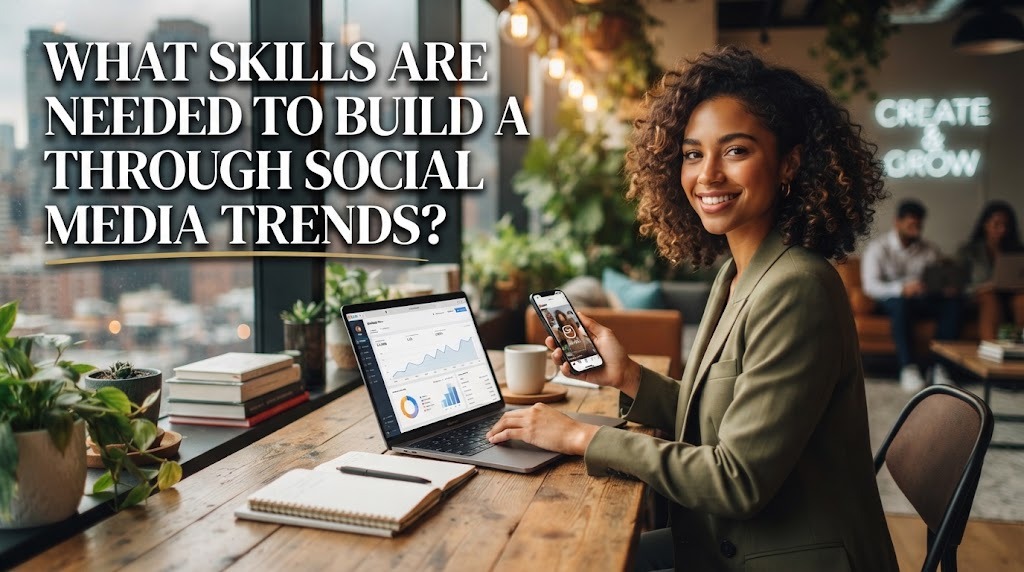
Social media has become an important part of the digital industry and creates many career opportunities for people with creative and technical abilities. Building a career through social media trends requires more than simply following popular content. People need to understand platforms, create engaging content, communicate effectively, and adapt to changes. Strong digital skills can help individuals compete in the growing social media industry.
UNDERSTANDING SOCIAL MEDIA PLATFORMS
Understanding different social media platforms is an important skill for building a career in the digital industry. Each platform has different features, audiences, content formats, and communication styles. A person working in social media should know how platforms such as Instagram, TikTok, YouTube, and other digital channels are commonly used. Understanding platform characteristics helps creators choose suitable content strategies. It also makes it easier to follow trends without using the same approach on every platform.
DEVELOPING CONTENT CREATION SKILLS
Content creation is one of the most important skills in the social media industry. Professionals may need to create videos, images, captions, articles, or other digital materials that attract audience attention. Basic skills in photography, video editing, graphic design, and copywriting can support better content production. Good content should be creative, clear, relevant, and suitable for the target audience. Learning how to create different types of content can also provide more opportunities for freelance work and digital careers.
BUILDING COMMUNICATION AND STORYTELLING SKILLS
Communication skills are essential because social media professionals interact with audiences, clients, teams, and online communities. Clear communication helps deliver messages in a way that is easy to understand and appropriate for the platform. Storytelling skills are also useful because a good story can make content more interesting and memorable. Strong storytelling can help turn simple ideas into engaging social media content. These skills are valuable for content creators, social media managers, digital marketers, and other professionals.
LEARNING DIGITAL MARKETING AND ANALYTICS
Digital marketing knowledge helps professionals understand how social media content can support business and promotional goals. Important areas include audience research, content planning, engagement, branding, and online promotion. Analytics skills are also useful for understanding how content performs based on measurements such as views, reach, interactions, and audience responses. Using data can help professionals make more informed content decisions. By combining marketing knowledge with analytics, social media workers can improve strategies and understand changing audience behavior.
STRENGTHENING CREATIVITY AND ADAPTABILITY
Creativity is important because social media trends change quickly and audiences are constantly exposed to new content. Professionals need to develop fresh ideas while still maintaining their own style and purpose. Adaptability is equally important because platforms, features, algorithms, and audience preferences can change over time. Creative and adaptable professionals can respond to trends while continuing to produce original content. Continuous learning can also help individuals improve their skills and remain prepared for changes in the digital industry.
CONCLUSION
Building a career through social media trends requires a combination of technical, creative, communication, and analytical skills. Understanding social media platforms, creating content, communicating effectively, learning digital marketing, and developing adaptability can provide a strong foundation. Continuous practice and learning are important for developing a sustainable career in the social media industry.
About the Author
Gusti Ayu Tita P
Author — STEKOM University
An active author focused on academic issues, educational technology, and human resource development in the campus environment.