
What Skills Can Students Develop Through Class Events?
Gusti Ayu Tita P
31 Juli 2026
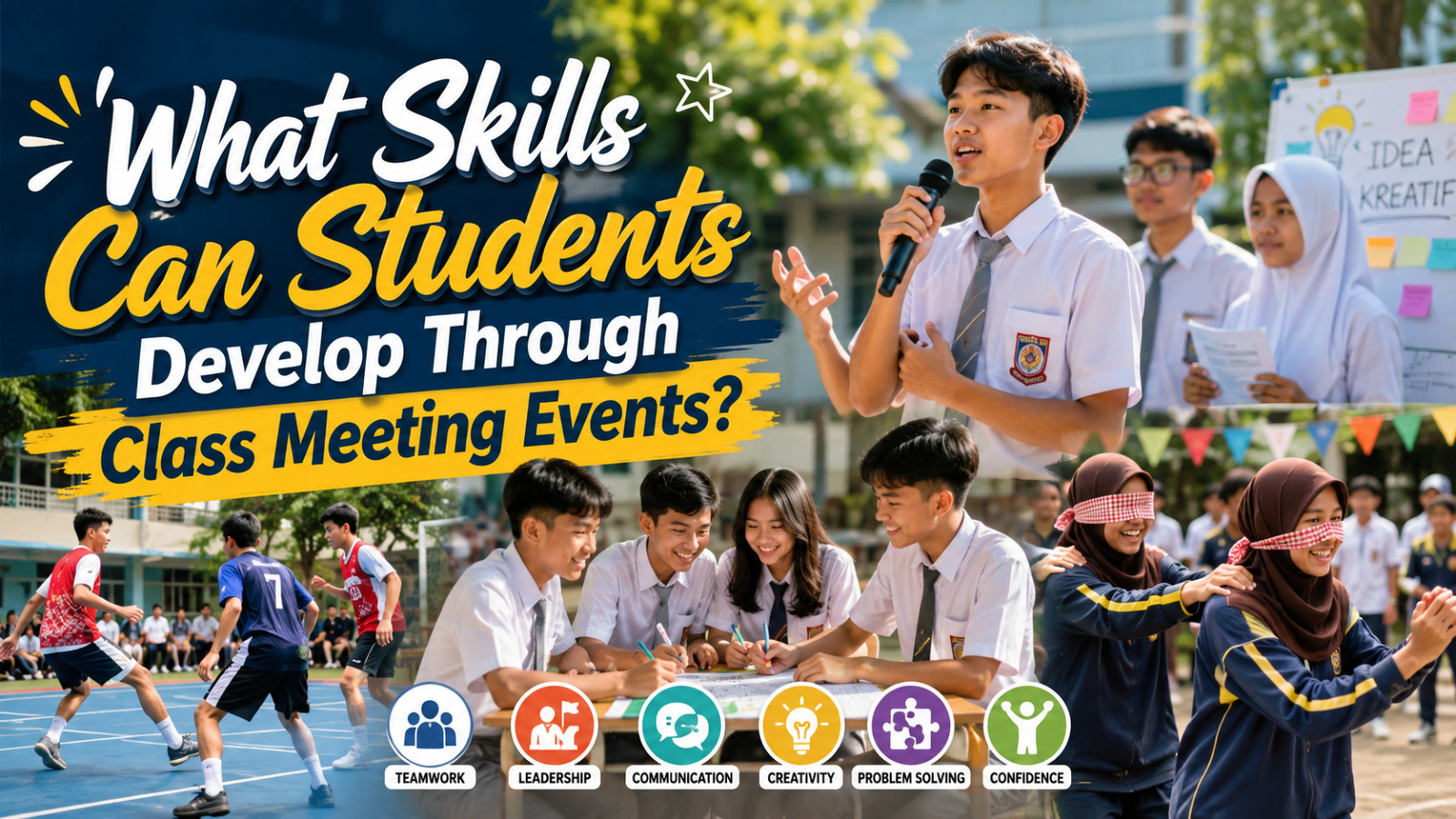
Class meeting events are more than just fun school activities. They provide students with valuable opportunities to build essential life skills while participating in games, competitions, performances, and collaborative projects. Every activity encourages students to communicate, solve problems, and work together toward shared goals. These experiences help prepare students for future academic challenges, careers, and social situations. By joining class meetings, students develop confidence and become more responsible individuals.
LEADERSHIP SKILLS GROW THROUGH RESPONSIBILITY
One of the most valuable abilities students gain during class meetings is leadership. Students often take turns becoming team leaders, event organizers, coordinators, or committee members. These responsibilities teach them how to plan activities, delegate tasks, and guide teammates toward achieving common goals. They also learn how to make thoughtful decisions while considering everyone's opinions.
Leadership is not simply about giving instructions. During class meetings, students practice taking responsibility, solving unexpected problems, and motivating others to stay enthusiastic. These real-life experiences strengthen their confidence and prepare them to become effective leaders both inside and outside the classroom.
TEAMWORK BECOMES A DAILY HABIT
Class meeting activities require students to work closely with classmates from different backgrounds and personalities. Whether participating in sports competitions, art performances, or academic quizzes, success depends on cooperation rather than individual ability. Students quickly realize that every team member has unique strengths that contribute to the group's achievements.
Working together also teaches students how to respect different opinions, share responsibilities, and support one another during challenges. These experiences create stronger friendships while building collaboration skills that will remain useful throughout their education and future careers.
COMMUNICATION SKILLS IMPROVE NATURALLY
Many class meeting events involve discussions, presentations, cheering sessions, and team planning. These situations encourage students to express ideas clearly and listen carefully to others. As they communicate more frequently, they become more comfortable speaking in front of groups and participating in conversations.
Good communication also includes active listening, giving constructive feedback, and resolving misunderstandings respectfully. Students who regularly participate in class meetings often become more confident when interacting with teachers, classmates, and eventually colleagues in professional environments.
PROBLEM-SOLVING AND CRITICAL THINKING DEVELOP
Unexpected situations frequently occur during competitions and event preparations. Teams may need to adjust strategies, solve scheduling conflicts, or overcome limited resources. These moments encourage students to think carefully before making decisions.
By facing real challenges, students improve their critical thinking, creativity, and decision-making abilities. Instead of relying solely on teachers, they learn how to evaluate different solutions and choose the most effective approach. These skills are valuable for academic success as well as everyday life.
TIME MANAGEMENT AND DISCIPLINE ARE STRENGTHENED
Preparing for class meeting activities requires students to balance school assignments with event responsibilities. They learn how to organize schedules, prioritize important tasks, and complete preparations before deadlines. Managing multiple responsibilities helps students become more disciplined.
Discipline also appears through punctuality, consistent practice, and commitment to team responsibilities. Students understand that success depends on careful preparation rather than luck. These habits positively influence both their academic performance and personal growth.
SPORTSMANSHIP AND EMOTIONAL INTELLIGENCE GROW
Winning is exciting, but class meetings also teach students how to accept defeat with dignity. They discover the importance of fair play, respecting opponents, and celebrating achievements without arrogance. These values create a healthy competitive environment where everyone can enjoy participating.
Students also improve their emotional intelligence by learning to manage disappointment, control frustration, and encourage teammates after setbacks. These emotional skills help them build stronger relationships and respond positively to future challenges.
CREATIVITY AND SELF-CONFIDENCE CONTINUE TO EXPAND
Talent shows, poster competitions, dance performances, and other creative activities give students opportunities to showcase their abilities. Expressing ideas through creative projects helps students discover their interests while building confidence in their own talents.
Receiving encouragement from teachers and classmates motivates students to continue improving. Every successful presentation or completed project increases their self-confidence, making them more willing to try new experiences and overcome fear of failure.
CONCLUSION
Class meeting events offer much more than entertainment. They serve as practical learning experiences where students develop leadership, teamwork, communication, critical thinking, time management, discipline, sportsmanship, emotional intelligence, and self-confidence. These essential life skills cannot always be learned through textbooks alone because they require real interaction and experience. Schools that organize regular class meeting activities help students become more capable, responsible, and adaptable individuals. By actively participating, every student gains valuable lessons that support lifelong personal and professional success.
About the Author
Gusti Ayu Tita P
Author — STEKOM University
An active author focused on academic issues, educational technology, and human resource development in the campus environment.















