
What Skills Can You Learn From Creating A Trip Itinerary?
Gusti Ayu Tita P
17 September 2026
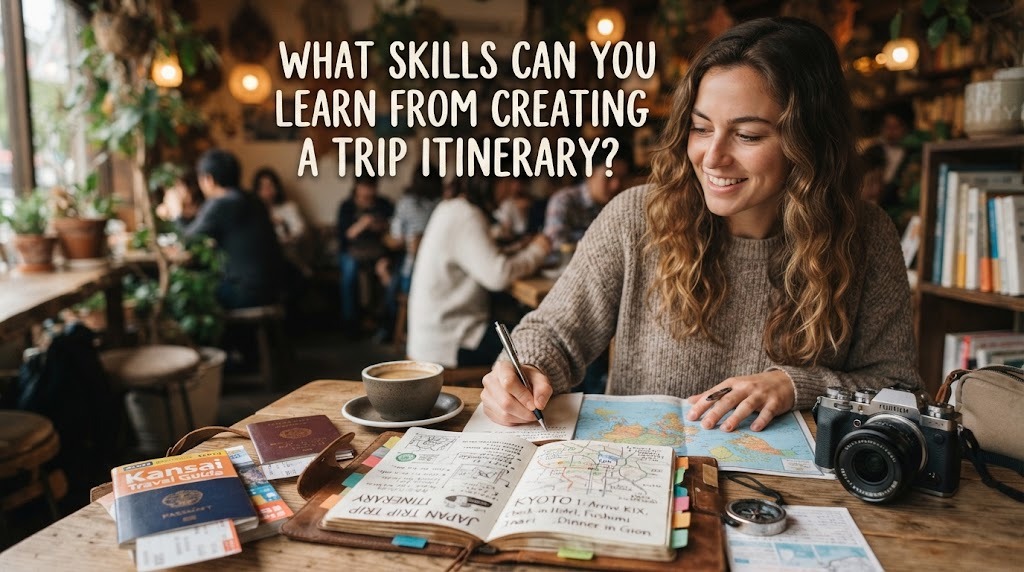
Creating a Trip Itinerary is more than simply making a schedule for a journey. The process requires travelers to collect information, organize activities, manage time, and prepare for possible changes. These activities can help develop practical skills that are useful in education, work, and daily life. Travelers can learn how to plan carefully while making decisions based on their available time and resources. Therefore, Trip Itinerary Planning can become a simple way to improve different personal and professional skills.
ORGANIZATIONAL SKILLS FOR BETTER PLANNING
Creating an itinerary requires travelers to arrange different types of information in a clear order. They may need to organize destinations, transportation, accommodation, activities, and estimated expenses. Putting these details together helps create a structured travel plan that is easier to understand. This process develops Organizational Skills because travelers learn how to manage several details at the same time. Good organization can also reduce confusion before and during the journey.
Organizational skills are useful in many situations outside of travel. Students can use them to arrange assignments, study schedules, and school activities. Employees can apply them when managing documents, meetings, and workplace responsibilities. Learning to organize information through itinerary planning can create habits that support more efficient work. These skills can therefore provide benefits in both personal and professional activities.
TIME MANAGEMENT AND SCHEDULE CONTROL
A Trip Itinerary usually includes specific times for transportation, activities, meals, and rest. Creating this schedule teaches travelers to estimate how long each activity may take. They also need to consider travel time between different locations. This encourages better Time Management and helps prevent unrealistic schedules. Travelers can learn to use available time according to their priorities.
Time management is an important skill for students and employees. School assignments often have deadlines, while workplace tasks may need to be completed within specific periods. Planning travel activities can provide a practical example of how limited time should be divided. Travelers also learn that adding too many activities can make a schedule difficult to follow. This experience can encourage better time management in other areas.
DECISION MAKING AND PRIORITY SETTING
Travel planning involves many choices that need to be considered carefully. Travelers may have to choose destinations, transportation, accommodation, and activities based on their budget and available time. They need to compare different options before selecting the most suitable ones. This process develops Decision Making Skills and encourages logical thinking. It also teaches travelers to focus on activities that are most important for their trip.
Priority setting is closely connected with decision making. When time or money is limited, travelers cannot always include every activity they want. They must determine which destinations or experiences should receive more attention. This teaches them to make choices based on specific needs and conditions. The same skill can be useful when deciding which school or work tasks should be completed first.
PROBLEM SOLVING AND FLEXIBILITY
Travel plans do not always happen exactly as expected. Delayed transportation, bad weather, closed destinations, or unexpected schedule changes can affect an itinerary. Travelers need to find alternative solutions when these situations occur. This develops Problem Solving Skills and encourages flexibility when facing changes. Preparing backup options before traveling can make it easier to respond to unexpected problems.
Problem solving is also valuable in professional environments. Employees may encounter technical issues, changing deadlines, or unexpected challenges while completing their responsibilities. A person who is accustomed to preparing alternatives may be better prepared to adjust their plans when conditions change. Trip itinerary planning provides a practical opportunity to practice this habit. It teaches travelers to remain focused on their goals while being willing to change their methods.
COMMUNICATION AND TEAMWORK SKILLS
Planning a trip with other people requires clear communication and cooperation. Everyone may have different preferences regarding destinations, activities, schedules, and expenses. Discussing these differences helps the group reach an agreement that works for everyone. This process develops Communication Skills and encourages effective teamwork. A clear itinerary also ensures that each person understands the agreed travel plan.
Teamwork skills are useful in classrooms, organizations, and workplaces. Group projects often require people to share responsibilities and respect different opinions. Team travel provides a similar situation because each member can contribute ideas and help with preparation. Working together can make the planning process more organized and efficient. Through this experience, travelers can practice cooperation that may be valuable in future professional activities.
CONCLUSION
Creating a Trip Itinerary can help people develop several useful skills beyond travel preparation. The process can strengthen Organizational Skills, Time Management, Decision Making, Problem Solving, Communication, and Teamwork. These skills are developed through practical activities such as arranging schedules, choosing priorities, preparing alternatives, and coordinating with others. The experience can also encourage people to become more disciplined and organized in their daily responsibilities. For this reason, itinerary planning can be a simple and useful activity for developing skills that support future academic and professional activities.
About the Author
Gusti Ayu Tita P
Author — STEKOM University
An active author focused on academic issues, educational technology, and human resource development in the campus environment.















