
What Types of Fuel Are Available at Gas Stations?
Gusti Ayu Tita P
17 September 2026
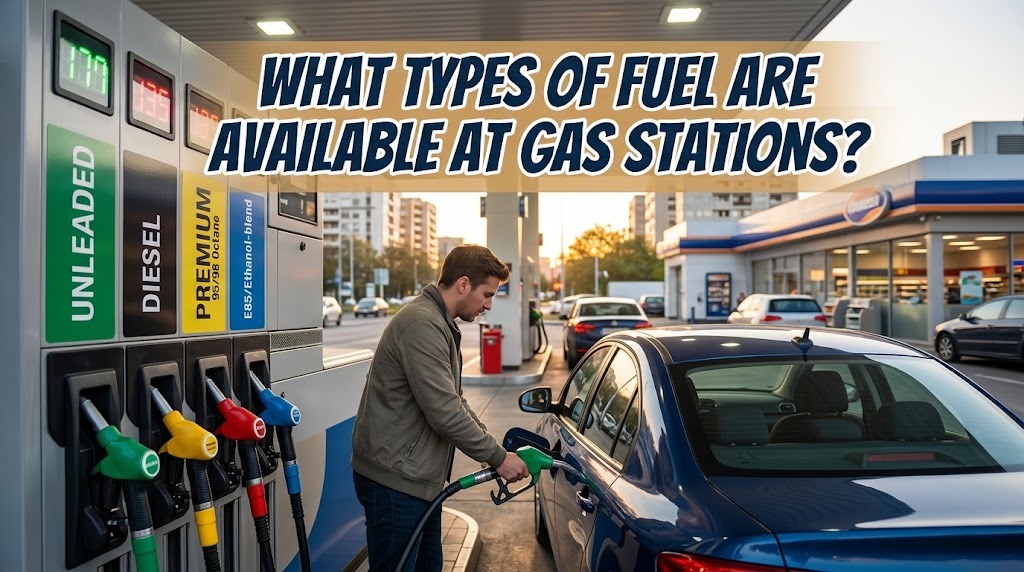
Gas stations provide different types of fuel to meet the needs of various vehicles. Choosing the right fuel is important because each vehicle has specific requirements based on its engine design and manufacturer recommendations. Common fuel options include gasoline and diesel, while some modern stations also provide alternative fuels. Understanding the differences between these fuel types can help drivers make better decisions when refueling. It can also support efficient vehicle performance and proper engine maintenance.
COMMON TYPES OF FUEL AT GAS STATIONS
The most common fuel available at gas stations is gasoline, which is widely used by cars, motorcycles, and other vehicles with gasoline engines. Gasoline is generally available in several grades, which can differ according to their octane rating. A higher octane rating does not automatically mean that the fuel is better for every vehicle because drivers should follow the fuel recommendation provided by the vehicle manufacturer. Using the appropriate gasoline grade can help the engine operate as intended.
Another common option is diesel fuel, which is designed for diesel engines and is frequently used in trucks, buses, commercial vehicles, and some passenger cars. Diesel engines use a different combustion process from gasoline engines, so gasoline and diesel should not be treated as interchangeable fuels. Some gas stations may also offer alternative fuels, depending on the region and available infrastructure. These options can include compressed natural gas or other specialized fuels.
UNDERSTANDING GASOLINE OCTANE RATINGS
Octane rating describes a fuel's resistance to engine knocking, which is an abnormal combustion condition. Gasoline may be sold in different octane grades, and the exact grades available depend on the country, fuel provider, and station. Drivers should check their vehicle owner's manual or the manufacturer's recommendation before choosing a grade. Selecting fuel based only on a higher number may result in unnecessary spending if the vehicle does not require it.
For vehicles designed to use a specific minimum octane level, following that requirement is important for proper engine operation. Some high-performance or turbocharged engines may require higher-octane fuel because of their engine design. However, ordinary vehicles may be designed to operate correctly with a lower grade. Therefore, understanding the manufacturer's recommendation is more useful than assuming that the most expensive fuel is always the best option.
DIESEL FUEL AND ITS USES
Diesel fuel is mainly used by vehicles equipped with diesel engines. Diesel engines are commonly found in heavy-duty vehicles because they can provide strong pulling power and are often suitable for long-distance and commercial transportation. Diesel fuel is different from gasoline in both its properties and how it is used by an engine. For this reason, drivers must always confirm the fuel type before beginning the refueling process.
Using the wrong fuel can cause serious vehicle problems and may require professional assistance. If a driver accidentally puts diesel into a gasoline vehicle or gasoline into a diesel vehicle, starting the engine can make the situation worse. The safest action is to avoid starting the engine and contact qualified assistance. Checking the fuel label and vehicle requirements before refueling can help prevent this mistake.
ALTERNATIVE FUELS AT MODERN GAS STATIONS
Some gas stations are expanding their services by offering alternative fuel options. Depending on the country and local infrastructure, these may include compressed natural gas, liquefied petroleum gas for compatible vehicles, or other specialized fuels. The availability of these options varies considerably between regions. Drivers should only use an alternative fuel when their vehicle is specifically designed or approved for it.
The growth of alternative fuels is connected to changes in transportation technology and efforts to provide more energy choices for drivers. Some fuel stations are also adding electric vehicle charging facilities, although charging electricity is technically different from liquid fuel. These developments mean that modern stations can serve a wider range of vehicles than traditional fuel stations. Drivers should always follow the vehicle manufacturer's instructions when using any alternative energy source.
HOW TO CHOOSE THE RIGHT FUEL
Choosing the right fuel starts with checking the vehicle owner's manual and the information provided by the manufacturer. The fuel door or fuel cap may also display information about the recommended fuel type or minimum octane level. Drivers should match this information with the label displayed on the fuel dispenser. Paying attention to these details can prevent incorrect fueling and unnecessary engine problems.
Drivers should also consider the vehicle's engine type, fuel requirements, and the fuel options available at the station. Fuel quality and proper handling are important factors, but the correct fuel specification should always come first. There is usually no benefit in choosing a fuel grade that exceeds the manufacturer's requirements unless there is a specific reason to do so. By understanding fuel types before visiting a gas station, drivers can refuel more confidently and safely.
CONCLUSION
Gas stations can provide several fuel options, with gasoline and diesel being the most common. Gasoline grades can differ according to their octane ratings, while diesel is specifically designed for diesel engines. Some modern stations may also provide alternative fuels or electric vehicle charging services. The most important step is to choose fuel that matches the vehicle manufacturer's specifications. Understanding fuel types can help drivers avoid fueling mistakes, support proper engine operation, and make refueling safer and more efficient.
About the Author
Gusti Ayu Tita P
Author — STEKOM University
An active author focused on academic issues, educational technology, and human resource development in the campus environment.















