
What Types of Waste Can Be Deposited at a Waste Bank?
Gusti Ayu Tita P
20 Agustus 2026
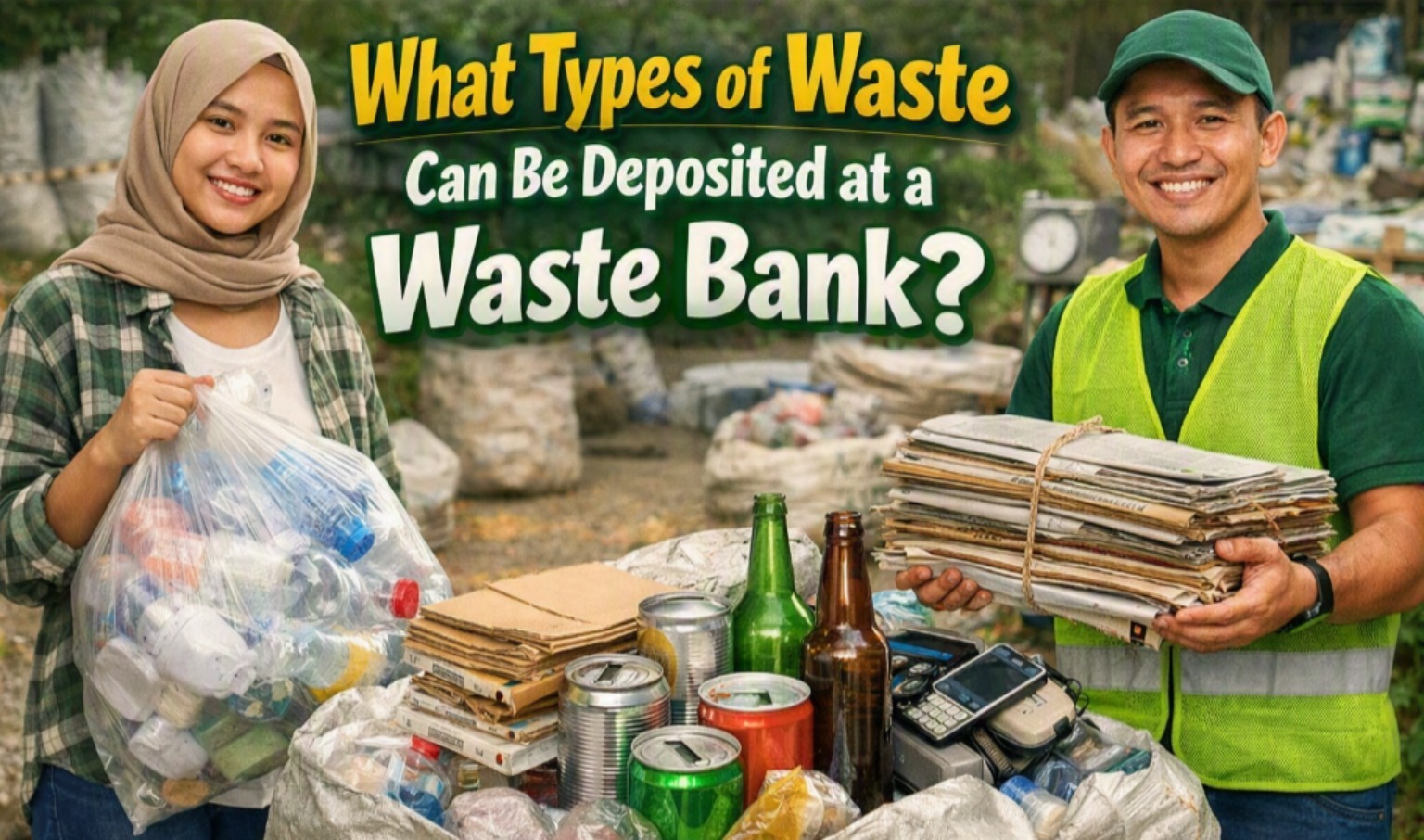
Waste banks are becoming an important part of community-based waste management. Instead of throwing recyclable materials into mixed garbage, people can sort and deposit them at a waste bank for collection and further processing. This system can help reduce household waste, encourage recycling, and create additional economic value from materials that are still useful. However, not every type of waste can be accepted because each waste bank may have different collection rules and recycling partners.
Understanding the types of waste accepted by a waste bank makes waste sorting easier at home. Proper sorting also improves the quality of recyclable materials and prevents contamination from food residue or hazardous substances. By knowing what can and cannot be deposited, communities can participate more effectively in sustainable waste management.
PLASTIC WASTE
Plastic waste is one of the most common materials collected by waste banks. Depending on its local sorting system, accepted items may include plastic bottles, drinking cups, plastic containers, packaging, and certain types of plastic bags. Clean and dry plastic is generally preferred because it has better value and is easier to sort and process. Some waste banks separate plastic according to its type, color, thickness, or market value.
Before depositing plastic, residents should empty, rinse when necessary, and dry the material. Removing food and drink residue can prevent unpleasant odors and contamination. Plastic items that are heavily contaminated, mixed with other materials, or difficult to recycle may not be accepted. Therefore, checking the waste bank's specific requirements is important.
PAPER AND CARDBOARD
Paper and cardboard are also widely collected because many of these materials can be recycled into new paper products. Common examples include newspapers, magazines, office paper, cardboard boxes, and paper packaging. The materials should preferably be clean, dry, and free from excessive food or oil contamination. Cardboard boxes may also need to be flattened to make storage and transportation more efficient.
However, not all paper products are recyclable in the same way. Paper contaminated with food, heavily laminated materials, thermal receipts, and some composite packaging may have limited recycling options. Waste banks may therefore separate paper according to its quality and material composition. Sorting paper properly at home can help improve its recycling potential.
METAL WASTE
Metal waste can have economic value because metals are commonly recovered and processed for reuse. Waste banks may accept materials such as aluminum cans, steel cans, and certain other household metal items. Metal is often separated from other waste because it has different processing and market requirements. Clean and dry cans are generally easier to handle and store.
Residents should avoid depositing sharp or dangerous metal objects unless the waste bank specifically accepts them under safe handling procedures. Items containing hazardous substances or complicated components may require a different waste management system. Before bringing metal waste, it is best to follow the collection categories provided by the local waste bank.
GLASS WASTE
Some waste banks accept glass bottles and containers, particularly those that can be collected and sent to recycling facilities. Glass should be separated from other waste because broken pieces can cause injuries during sorting and transportation. Bottles and containers should generally be emptied and cleaned before being deposited. Keeping glass intact whenever possible can make handling safer.
Not every waste bank has the equipment or recycling partners needed to process glass. Broken glass, mirrors, ceramics, and certain types of glass products may have different treatment requirements. For this reason, residents should not assume that all glass items belong in the waste bank. Always check the accepted-material list before making a deposit.
USED ELECTRONIC WASTE
Some waste banks or specialized collection programs accept electronic waste, also known as e-waste. Examples can include small electronic devices, cables, chargers, and certain electronic components. These materials may contain valuable resources but can also contain substances that require careful handling. E-waste should therefore be kept separate from ordinary recyclable materials.
Because electronic products are more complex than bottles or cardboard, not every waste bank is equipped to handle e-waste. Batteries, damaged electronic devices, and components containing potentially hazardous materials may need specialized collection. Residents should ask whether their local waste bank accepts these materials and follow its safety instructions.
WASTE THAT IS USUALLY NOT ACCEPTED
Waste banks generally focus on recyclable materials with an established collection or processing route. Organic waste such as leftover food, leaves, and other biodegradable materials is usually handled through composting or other organic waste management methods. Diapers, sanitary products, heavily contaminated packaging, and mixed waste are also commonly excluded from regular waste bank deposits. The exact rules, however, can differ between waste banks.
Hazardous waste requires particular attention because it may pose risks to people and the environment. Examples include certain chemicals, medical waste, pesticides, and damaged batteries. These materials should not be mixed with ordinary recyclables unless an authorized program specifically accepts them. When in doubt, residents should ask the waste bank or local waste management authority for the appropriate disposal method.
HOW TO PREPARE WASTE BEFORE DEPOSITING IT?
The first step is to separate recyclable materials from organic and residual waste at home. Empty containers and remove obvious food or liquid residue before storing them. Materials should be kept dry and separated according to the categories requested by the waste bank. Flattening cardboard and grouping similar materials can also make collection easier.
Residents should also check the waste bank's current acceptance rules before bringing their materials. Different facilities may have different equipment, buyers, prices, and recycling partners, so their accepted categories can vary. Good preparation reduces contamination and makes the sorting process more efficient. Most importantly, consistent household sorting helps turn waste management into a sustainable daily habit.
WHY PROPER WASTE SORTING MATTERS?
Proper sorting allows recyclable materials to stay in the recycling chain instead of being mixed with residual waste. It can reduce the volume of waste sent to disposal facilities and support more efficient resource recovery. Waste banks can also provide an economic incentive in communities when recyclable materials are recorded and exchanged for savings or other benefits. This makes environmental responsibility more practical for households.
Beyond financial benefits, waste sorting encourages environmental awareness and community participation. When residents understand which materials have value, they are more likely to reduce unnecessary waste and recycle consistently. A waste bank works most effectively when households, collectors, recyclers, and local communities cooperate. Small sorting habits at home can therefore contribute to a broader and more sustainable waste management system.
CONCLUSION
A waste bank can accept various recyclable materials, commonly including plastic, paper, cardboard, metal, and in some cases glass or electronic waste. However, acceptance rules differ because each waste bank may have different facilities, recycling partners, and sorting standards. Clean, dry, and properly separated waste is generally easier to collect and process. Residents should always check the local waste bank's requirements before depositing materials.
The main goal is not simply to collect waste but to recover useful materials and reduce environmental impact. By sorting waste correctly and depositing suitable materials, households can support recycling while developing more responsible waste management habits. A consistent community effort can make waste banks an effective part of a circular economy and sustainable community.
About the Author
Gusti Ayu Tita P
Author — STEKOM University
An active author focused on academic issues, educational technology, and human resource development in the campus environment.















