
When Actions Find Their Way Back
Gusti Ayu Tita P
9 September 2026
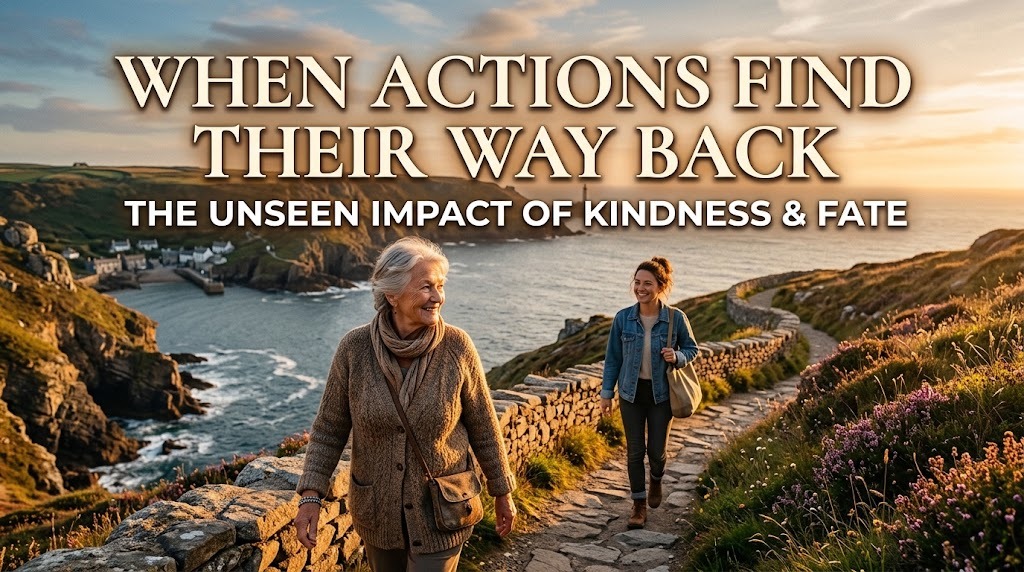
Every action can create an effect, even when the result is not immediately visible. The way people treat others, make decisions, and respond to situations can influence what happens later in their lives. This idea is often connected to karma, which describes the relationship between actions and their possible consequences. Understanding this connection can encourage people to become more careful about the choices they make.
Actions do not always return in the exact form people expect. A kind gesture may come back through a new friendship, while irresponsible behavior may eventually affect someone's reputation. These outcomes are not always predictable or immediate. However, they can remind us that our behavior leaves traces that may influence future experiences.
ACTIONS CAN CREATE LONG TERM EFFECTS
An action may seem small when it happens, but repeated behavior can create lasting consequences. For example, consistently keeping promises can help someone develop a strong reputation for reliability. On the other hand, repeatedly breaking promises may cause people to become less willing to trust that person.
These effects usually develop gradually. One decision may not change someone's life, but a pattern of similar decisions can influence relationships, opportunities, and personal habits. This is why daily actions matter, even when their effects are difficult to notice at first.
KARMA IS MORE THAN SIMPLE REVENGE
Karma is sometimes described as getting back exactly what someone has done to others. However, this is a simplified interpretation. In broader religious and philosophical contexts, karma is connected with actions, intentions, and consequences rather than automatic revenge.
A person who behaves unfairly may not experience the same treatment in return. Instead, the consequences could appear through damaged relationships, reduced trust, or changes in reputation. Therefore, karma can be understood as a way of thinking about responsibility and the effects of human behavior.
GOOD ACTIONS CAN RETURN IN UNEXPECTED WAYS
Kindness does not always produce an immediate reward. Someone may help a stranger without expecting anything in return, only to receive unexpected support from another person months later. Such experiences can make people feel that good actions have found their way back.
However, kindness should not become a transaction. People do not need to help others simply because they expect something in return. The greater value of kindness comes from the positive impact it creates for both individuals and the surrounding environment.
NEGATIVE ACTIONS CAN DAMAGE TRUST
Negative actions can also produce consequences that develop over time. Lying, breaking promises, or taking advantage of others can gradually weaken trust and social connections. Even if there is no immediate response, people may remember these experiences.
Once trust is damaged, rebuilding it can require considerable effort. Consistent honesty and responsible behavior may be necessary before others feel comfortable again. This demonstrates how past actions can influence future relationships.
OUR CHOICES SHAPE OUR HABITS
Actions that are repeated frequently can become habits. A person who regularly chooses discipline may develop better routines, while someone who repeatedly avoids responsibility may develop patterns of procrastination. These habits can eventually influence personal growth and future decisions.
For this reason, changing direction does not always require a dramatic decision. Small improvements repeated consistently can create meaningful changes. Choosing better actions today can gradually build healthier patterns for tomorrow.
ACTIONS AFFECT OUR REPUTATION
People often form opinions based on their experiences with us. Someone who consistently behaves honestly and responsibly can develop a positive reputation. In contrast, repeated negative behavior can create an impression that is difficult to change.
Reputation can influence many parts of life, including education, work, friendship, and cooperation. A person may gain opportunities because others trust their abilities and character. This shows how actions can return indirectly through future opportunities and relationships.
DIGITAL ACTIONS CAN COME BACK TOO
Modern technology has made the effects of human actions even more visible. Social media posts, comments, photos, and messages can become part of a person's digital footprint. Something shared quickly can influence how people perceive someone much later.
This makes responsible online behavior increasingly important. Before posting or sharing something, people should consider whether it is accurate, respectful, and appropriate. A thoughtful digital presence can protect reputation, while careless behavior can create long lasting consequences.
LEARNING FROM PAST ACTIONS
Not every action produces the result we want. Mistakes are part of human life, but they can become valuable opportunities for learning. Recognizing the consequences of a poor decision can help someone develop better judgment in the future.
Learning requires more than simply feeling guilty. A person can acknowledge the mistake, apologize when necessary, and change the behavior that caused the problem. Through this process, past experiences can become guidance for future choices.
WE SHOULD NOT WAIT FOR KARMA
Focusing too much on when someone else will receive karma can keep us trapped in anger or disappointment. We cannot control when or how another person's actions may have consequences. What we can control is our own response and behavior.
Choosing not to seek revenge does not mean accepting harmful treatment. People can establish boundaries, distance themselves from unhealthy situations, and seek appropriate support. The goal is to protect ourselves without creating another cycle of harmful actions.
CHOOSING WHAT COMES BACK TO US
Although we cannot control every result in life, we can control many of our choices. Being honest, respectful, responsible, and helpful can create conditions for positive relationships and trust. These qualities may influence how others respond to us in the future.
The purpose is not to perform good actions simply to receive rewards. Instead, positive behavior should reflect the kind of person we want to become. By choosing our actions carefully, we can create better patterns that shape our future.
CONCLUSION
When actions find their way back, they may return through relationships, habits, reputation, opportunities, or unexpected experiences. Karma does not necessarily mean receiving an identical reward or punishment for every action. Instead, it can encourage us to recognize that our choices may create consequences that extend beyond the present moment.
The most valuable lesson is to focus on personal responsibility rather than revenge. We cannot control every outcome, but we can choose how we treat others and how we respond to difficult situations. By creating positive actions consistently, we can leave better traces and build a more meaningful path for the future.
About the Author
Gusti Ayu Tita P
Author — STEKOM University
An active author focused on academic issues, educational technology, and human resource development in the campus environment.















