When Is the Right Time to Conduct a Community Night Watch?
Gusti Ayu Tita P
18 September 2026
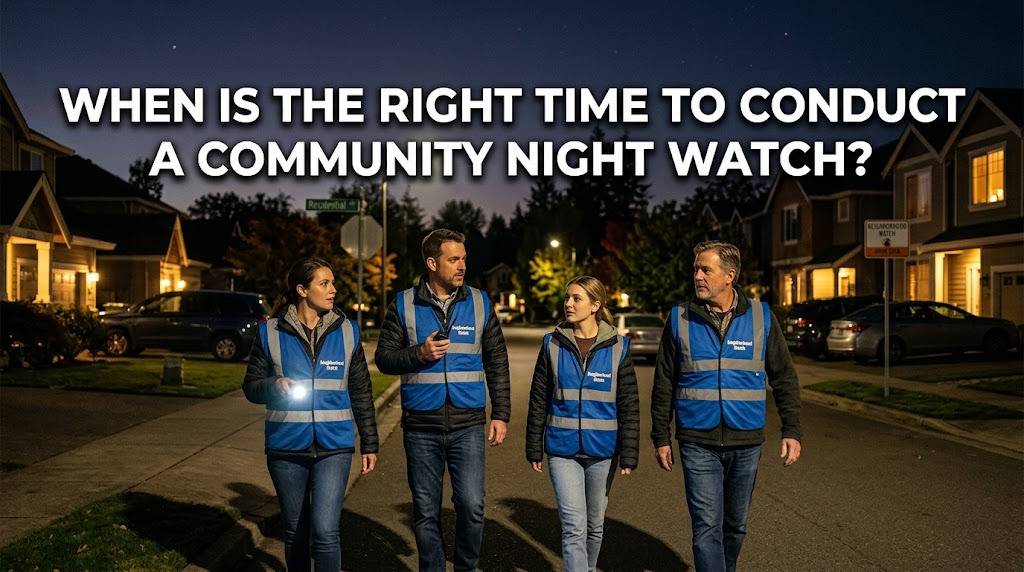
Community Night Watch is usually organized during hours when residents want additional attention to neighborhood safety. Choosing the right time is important because the schedule needs to match local conditions and the availability of participants. A well-planned night watch schedule can make the activity easier to manage and maintain. The timing should also allow volunteers to perform their responsibilities safely and comfortably.
NIGHTTIME IS A COMMON CHOICE FOR COMMUNITY WATCH
Nighttime is commonly selected for Community Night Watch because fewer people are active outdoors compared with daytime. Certain neighborhoods may also have specific hours when residents want additional monitoring. The exact time can vary depending on local conditions, community agreements, and the number of available participants. Therefore, there is no single schedule that is suitable for every neighborhood.
Communities can discuss which hours require the most attention before creating a night watch schedule. Factors such as neighborhood activity, local facilities, and previous concerns can be considered during the discussion. The goal is to create a schedule that is practical rather than simply choosing the longest possible patrol period. A realistic schedule is more likely to receive consistent participation from residents.
ADJUSTING THE SCHEDULE TO LOCAL CONDITIONS
The right time for community night watch activities should be determined according to the specific conditions of the neighborhood. Some areas may need monitoring earlier in the evening, while others may focus on later hours. Residents can consider traffic patterns, community activities, and areas that require additional attention. This helps ensure that the schedule reflects actual neighborhood needs.
Seasonal conditions and special events can also affect the schedule. For example, a community may adjust its Neighborhood Watch activities during holidays, local events, or periods when many residents are away. Any changes should be discussed and communicated clearly to all participants. This allows the community to remain flexible while keeping responsibilities organized.
SETTING REASONABLE PATROL HOURS AND SHIFTS
A night watch schedule should divide the available hours into manageable shifts. Assigning reasonable shifts can prevent volunteers from becoming overly tired and may make participation easier. The number of volunteers should also be considered when deciding how many people are assigned to each shift. A clear division of time helps everyone understand when their responsibilities begin and end.
The schedule should also include a simple process for handling changes. If a resident cannot attend at the assigned time, they can communicate with the coordinator or another participant to arrange a suitable adjustment. This prevents unexpected absences from disrupting the entire activity. A flexible but organized approach can make Community Night Watch more sustainable.
REVIEWING THE SCHEDULE REGULARLY
A schedule should not necessarily remain unchanged throughout the year. Community Watch organizers can periodically ask residents whether the selected hours are still practical and useful. Feedback can reveal problems such as low participation, unsuitable shift lengths, or changes in neighborhood activity. The schedule can then be adjusted based on the community's current needs.
Regular evaluation also helps maintain community participation. When residents feel that their availability and circumstances are considered, they may find it easier to contribute consistently. Any changes should be communicated clearly so that everyone understands the updated schedule. Through regular review, the night watch program can remain practical and relevant.
CONCLUSION
The right time for Community Night Watch depends on neighborhood conditions, resident availability, and community safety needs. Nighttime is a common choice, but the exact hours should be determined through discussion and careful consideration. A realistic night watch schedule should divide responsibilities into manageable shifts and allow reasonable flexibility.
Regular evaluation is also important because neighborhood conditions and residents' schedules can change. By adjusting the timing when necessary, communities can maintain participation without placing excessive demands on volunteers. Most importantly, Community Night Watch should prioritize safety, communication, and shared responsibility.
About the Author
Gusti Ayu Tita P
Author — STEKOM University
An active author focused on academic issues, educational technology, and human resource development in the campus environment.