
When Should PPE Be Replaced with New Equipment?
Gusti Ayu Tita P
29 September 2026
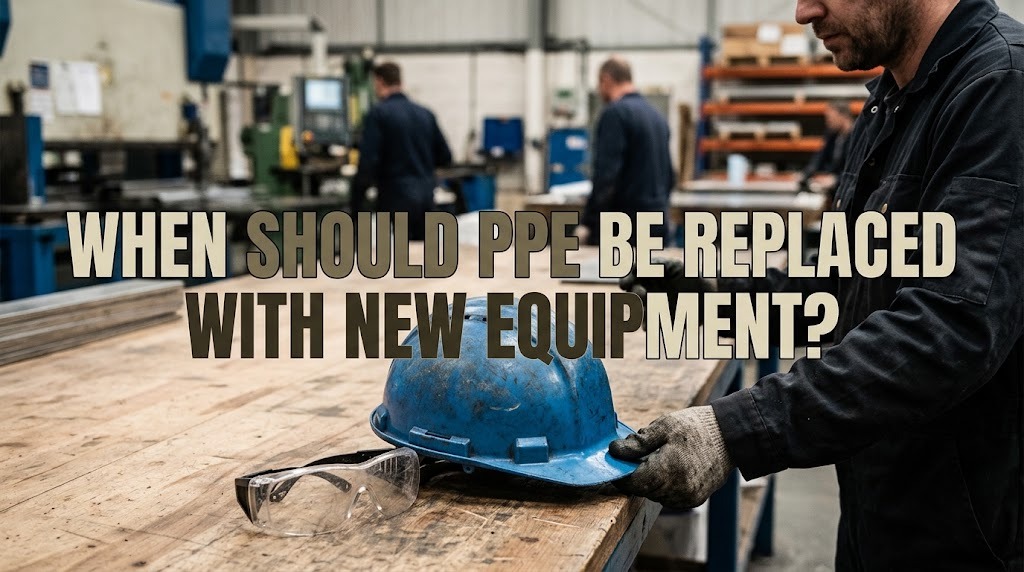
Personal Protective Equipment or PPE is designed to protect workers from hazards that can cause injuries or illness. However, PPE does not remain effective forever. Regular use, damage, contamination, and poor storage can affect its protective function. Knowing when to replace PPE is important so workers can continue to receive appropriate protection while performing their jobs.
CHECK PPE BEFORE EVERY USE
Workers should inspect PPE before every use to identify signs of damage or deterioration. Helmets, safety glasses, gloves, safety footwear, and protective clothing can develop problems through regular use. Cracks, tears, broken parts, loose components, or other visible damage may indicate that the equipment should no longer be used. PPE that appears unsafe should be removed from service and reported according to workplace procedures.
The inspection should focus on whether the equipment can still perform its intended protective function. Workers should also check whether straps, fasteners, lenses, soles, or other important components remain secure. A quick inspection before work can help identify problems before the PPE is needed during an incident. This habit supports safe PPE use and helps prevent workers from relying on damaged equipment.
REPLACE PPE WHEN IT IS DAMAGED
Damaged PPE should generally be replaced when the damage affects its ability to provide protection. For example, a safety helmet with significant damage should not continue to be used simply because it still looks usable. Similarly, torn protective gloves may no longer provide the protection required for a particular task. Workers should follow the manufacturer's instructions and workplace procedures when deciding whether equipment can continue to be used.
Some damage may not always be easy to identify through a quick visual inspection. Equipment can become weaker because of repeated use, exposure to certain substances, heat, sunlight, or other environmental conditions. For this reason, workers should report questionable equipment instead of continuing to use it. Employers can then determine whether the PPE should be repaired or replaced.
REPLACE PPE AFTER CONTAMINATION
PPE may need to be replaced when it becomes contaminated and cannot be safely cleaned. This is particularly important for equipment that has been exposed to hazardous chemicals, biological materials, or other substances. Cleaning should only be performed when the equipment and manufacturer allow it. Using contaminated PPE can create additional exposure risks for workers.
Workers should understand that not every type of PPE can be cleaned in the same way. Certain protective materials may lose their protective properties after contact with particular substances. Employers should provide appropriate procedures for cleaning, storing, and disposing of contaminated equipment. If safe cleaning is not possible, the PPE should be removed from use and replaced according to workplace requirements.
FOLLOW THE MANUFACTURER'S RECOMMENDATIONS
Manufacturers provide information about the proper care and service life of PPE. These instructions can explain how equipment should be inspected, cleaned, stored, and maintained. Some PPE may also have specific replacement recommendations based on its material, design, or intended use. Workers should follow these instructions rather than relying only on how old the equipment appears.
A replacement schedule can also help employers manage PPE more effectively. However, a fixed replacement date does not necessarily mean equipment is safe until that date if it becomes damaged earlier. Likewise, equipment may require replacement based on its condition even when it has not reached a planned replacement period. Regular inspection should therefore be combined with manufacturer guidance and workplace safety procedures.
CONSIDER CHANGES IN WORKPLACE RISKS
PPE should also be replaced or changed when workplace risks or job requirements change. Equipment that was suitable for one task may not provide adequate protection for a different task. New machinery, chemicals, work processes, or environmental conditions can create hazards that require different protective equipment. Employers should reassess PPE needs whenever significant changes occur in the workplace.
Workers should report situations where existing PPE no longer matches their tasks. Employers can use a risk assessment to determine whether different or additional equipment is necessary. PPE should provide suitable protection while allowing workers to perform their duties safely. Regular review helps ensure that protective equipment remains appropriate as working conditions change.
CONCLUSION
PPE replacement is necessary when equipment becomes damaged, contaminated, worn, or unsuitable for the hazards of a particular job. Workers should inspect their protective equipment before use and report any signs that may affect its protective function. Manufacturer instructions, workplace procedures, cleaning requirements, and changes in workplace risks should all be considered when deciding when PPE needs to be replaced. Employers should ensure that workers have access to suitable replacement equipment when necessary. Regular inspection and timely replacement can help maintain effective workplace protection.
About the Author
Gusti Ayu Tita P
Author — STEKOM University
An active author focused on academic issues, educational technology, and human resource development in the campus environment.



