
Which Traditional Independence Day Games Never Go Out of Style?
Gusti Ayu Tita P
4 Agustus 2026
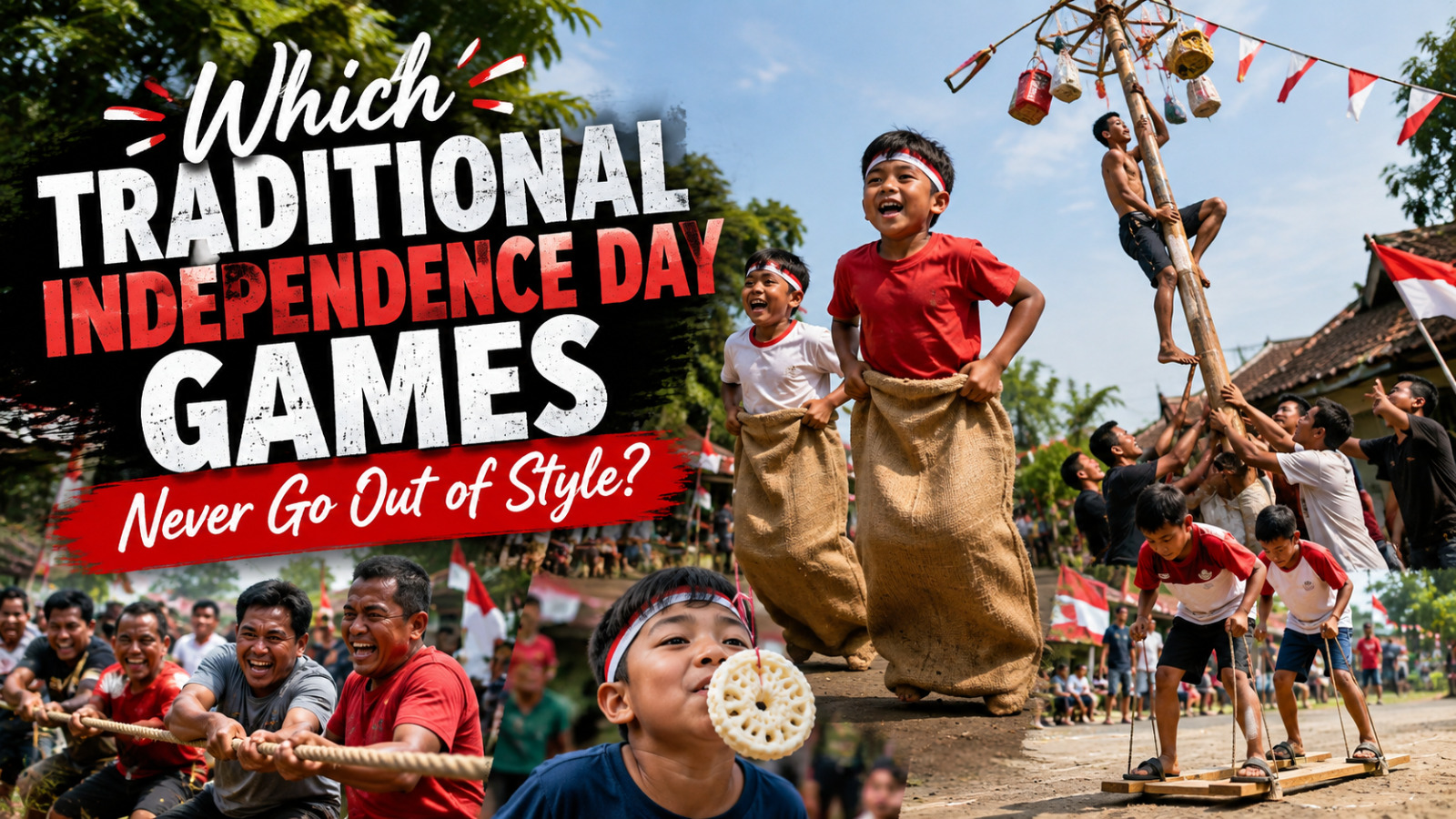
Traditional Independence Day games have remained a beloved part of national celebrations for generations. These games bring together families, friends, and communities to celebrate freedom while strengthening unity and teamwork. Although technology has changed how people spend their time, these classic competitions continue to attract participants of all ages. Their simple rules, exciting challenges, and joyful atmosphere make them timeless. This article explains why these traditional games never lose their popularity and how they continue to inspire community spirit.
WHY TRADITIONAL INDEPENDENCE DAY GAMES REMAIN POPULAR
Traditional Independence Day games have become more than just entertainment. They represent unity, cooperation, perseverance, and national pride. Every year, communities organize these games to celebrate independence while creating unforgettable memories among neighbors and family members. People enjoy the excitement because everyone, regardless of age or background, can participate.
Another reason these games remain popular is their simplicity. Most competitions require only basic equipment, making them affordable for schools, villages, and community organizations. Instead of focusing on expensive prizes, participants value the experience of working together, laughing, and celebrating a shared national identity.
THE MOST ICONIC TRADITIONAL INDEPENDENCE DAY GAMES
Several traditional games have become symbols of Independence Day celebrations. One of the most famous is the sack race, where participants jump toward the finish line inside large sacks. This game tests balance, speed, and determination while creating plenty of laughter among spectators.
Other popular competitions include the cracker eating contest, tug of war, pole climbing, marble and spoon race, and wooden clog race. Each game develops different skills such as teamwork, coordination, patience, and strategy. Their exciting nature keeps participants coming back year after year.
HOW THESE GAMES BUILD STRONGER COMMUNITIES
Traditional games encourage community participation by bringing together children, teenagers, adults, and senior citizens. During the celebrations, neighbors who rarely meet have the opportunity to interact, cooperate, and strengthen friendships. This creates a welcoming environment where everyone feels included.
These activities also promote teamwork and communication. Games like tug of war and wooden clog racing require participants to work together toward a common goal. Such experiences help develop trust, mutual respect, and stronger relationships within the community.
LIFE LESSONS LEARNED FROM TRADITIONAL GAMES
Besides providing entertainment, these games teach valuable life skills. Participants learn the importance of discipline, patience, persistence, honesty, and sportsmanship. Winning is enjoyable, but accepting defeat gracefully is equally important.
Children especially benefit from these experiences because they learn through play rather than formal instruction. They understand that success often comes from hard work, cooperation, and determination, lessons that remain useful throughout their lives.
KEEPING TRADITIONAL GAMES ALIVE FOR FUTURE GENERATIONS
Modern lifestyles have introduced many digital forms of entertainment, but traditional games continue to offer experiences that cannot be replaced by screens. Communities can preserve these traditions by organizing annual competitions, introducing them in schools, and encouraging family participation during Independence Day celebrations.
Parents and educators also play an important role in preserving these cultural activities. By teaching children the history and meaning behind each game, they ensure that future generations continue to appreciate the values of unity, patriotism, and togetherness. Keeping these traditions alive strengthens cultural identity while creating lasting memories for everyone involved.
CONCLUSION
Traditional Independence Day games have stood the test of time because they combine fun, cultural heritage, teamwork, and patriotism in a way that appeals to every generation. Their simple nature allows everyone to participate while promoting valuable life lessons and stronger community relationships. As societies continue to evolve, preserving these classic games ensures that the spirit of independence remains meaningful and engaging. By celebrating through these timeless traditions, communities continue to honor their history while building a brighter future together.
About the Author
Gusti Ayu Tita P
Author — STEKOM University
An active author focused on academic issues, educational technology, and human resource development in the campus environment.















