
Who Is Required To Pay Inheritance Tax?
Gusti Ayu Tita P
28 Agustus 2026
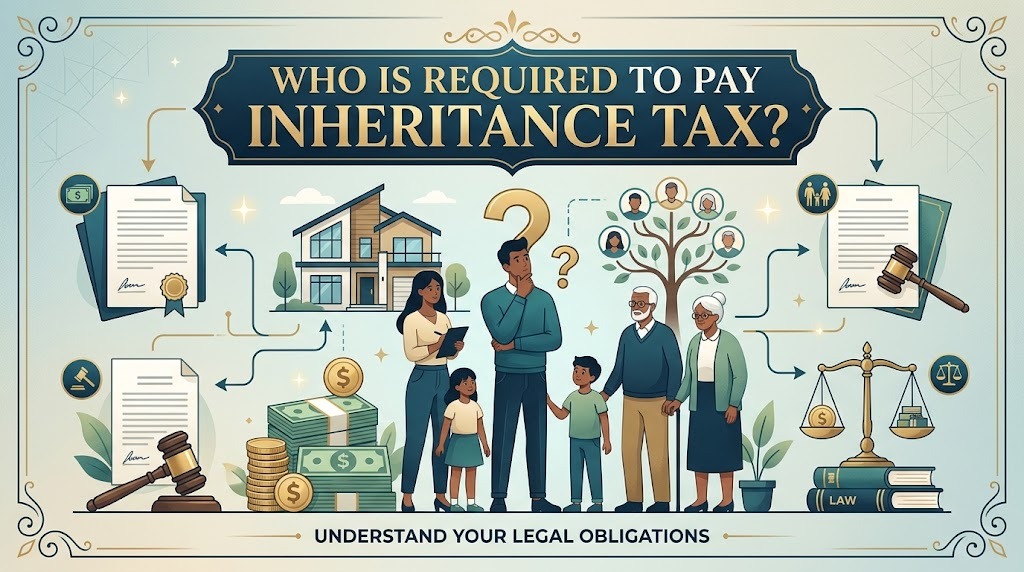
Inheritance tax is often misunderstood because the person who receives inherited property is not always required to pay a specific inheritance tax. Tax rules depend on the country where the inheritance is administered and the type of assets involved. Some countries impose inheritance tax on beneficiaries, while others apply estate tax or do not impose a specific inheritance tax. Understanding who is responsible for tax obligations can help heirs manage inherited assets correctly.
In Indonesia, the situation is different from countries that impose a specific inheritance tax. Inheritance received by an heir is excluded from the Indonesian Income Tax object, so receiving an inheritance does not automatically create an Income Tax payment. However, certain transactions involving inherited assets can create other tax obligations. Therefore, heirs need to understand the difference between inheritance itself and income or transactions involving inherited property.
WHO GENERALLY PAYS INHERITANCE TAX
In countries that impose inheritance tax, the beneficiary or heir may be responsible for paying the tax on assets received. The exact responsibility depends on the country's legislation and the relationship between the deceased and beneficiary. Spouses and close relatives may receive exemptions or lower rates in some jurisdictions. Other beneficiaries may face different thresholds or tax rates.
The taxable amount is generally determined after considering the value of inherited assets, exemptions, deductions, and applicable tax rates. Some systems use progressive tax rates, while others apply specific rates to particular beneficiaries. Because the rules vary, heirs should not assume that one calculation applies everywhere. Local tax regulations should always be checked before determining a potential liability.
DOES INDONESIA HAVE AN INHERITANCE TAX
Indonesia does not impose a separate inheritance tax on an heir simply for receiving inherited assets. Under the Income Tax Law, inheritance is excluded from the object of Income Tax or PPh. This means assets received through inheritance are not treated as taxable income merely because ownership is transferred to the heir. The rule can cover different types of inherited property, subject to the applicable provisions.
However, this does not mean that every transaction involving inherited property is free from tax. Land and buildings, income-producing assets, and subsequent sales or transfers may involve separate tax rules. Understanding these distinctions is important for proper tax compliance. The tax treatment must therefore be examined based on what happens to the inherited asset.
WHO IS RESPONSIBLE FOR TAX ON INHERITED LAND AND BUILDINGS
When an heir receives land or a building through inheritance, BPHTB or Land and Building Acquisition Duty may apply because the heir obtains rights to the property. BPHTB is a regional tax and is separate from Income Tax. The amount and applicable provisions are determined under the relevant regional regulations. Therefore, heirs should check the local BPHTB rules when processing inherited property.
For Income Tax purposes, the transfer of land or buildings because of inheritance can qualify for an Income Tax exemption through the SKB PPh process when the requirements are fulfilled. This means the heir may not need to pay the relevant PPh on the inheritance transfer itself. Nevertheless, the BPHTB obligation remains a separate matter. This distinction is important when completing the property transfer process.
WHEN SHOULD HEIRS SEEK PROFESSIONAL ADVICE
Professional assistance may be useful when an inheritance contains multiple properties, business interests, investments, or assets located in different jurisdictions. A tax professional can help identify potential tax obligations and required documents. A notary or other qualified legal professional may also assist with property and inheritance administration. This can reduce the risk of administrative errors.
Professional advice is especially useful when the value of the estate is substantial or family ownership is complicated. However, taxpayers should still verify important information against current government regulations. Tax advice should be based on the latest applicable rules, rather than assumptions or outdated information. This helps heirs make better financial decisions.
CONCLUSION
Who is required to pay inheritance tax depends on the country's tax system and the type of transaction involved. In countries with a specific inheritance tax, beneficiaries may be responsible for paying tax based on the assets they receive. In Indonesia, however, inheritance received by an heir is excluded from the Income Tax object. Therefore, receiving an inheritance does not automatically mean the heir must pay PPh.
Nevertheless, heirs may still encounter other obligations, particularly when the inheritance involves land and buildings, BPHTB, SKB PPh procedures, or income generated from inherited assets. Heirs should report assets appropriately, maintain supporting documents, and understand the tax treatment of transactions conducted after receiving the inheritance. When the situation is complex, professional assistance can help ensure compliance with applicable regulations.
About the Author
Gusti Ayu Tita P
Author — STEKOM University
An active author focused on academic issues, educational technology, and human resource development in the campus environment.















